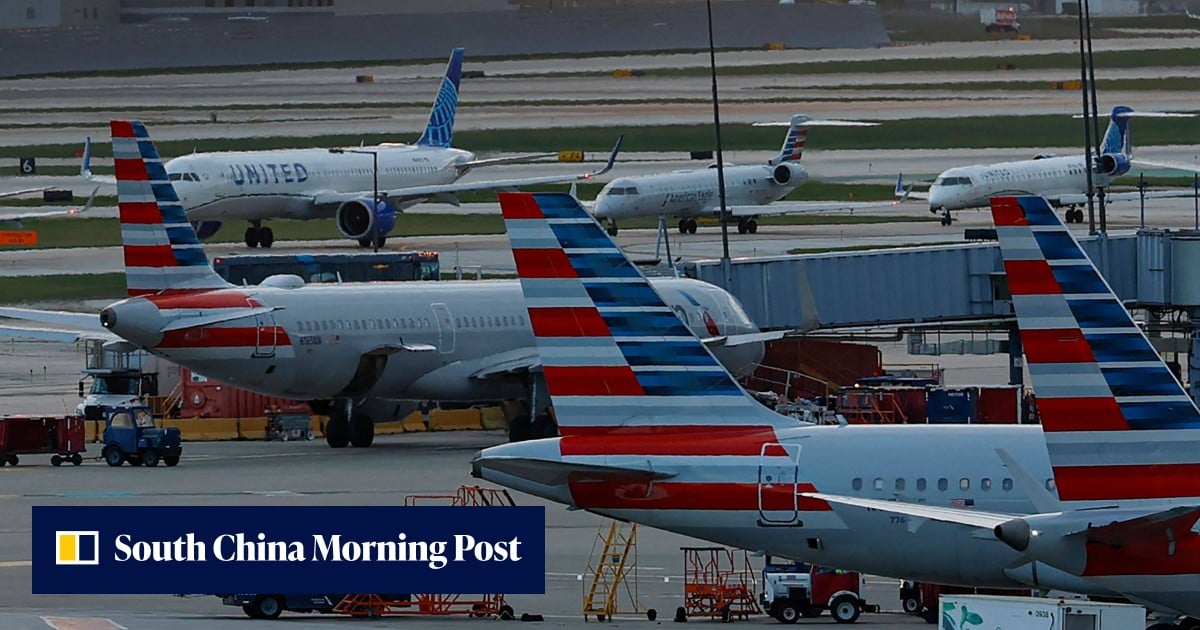
It began as a routine Friday in the vast, invisible web that keeps American skies safe. Then, without warning, the system went dark. On a specific date in November, the Federal Aviation Administration issued a historic nationwide ground stop, grounding thousands of flights and stranding millions of passengers. The silence that followed was not caused by a storm or a terrorist attack, but by a simple, archaic piece of infrastructure: copper wire.
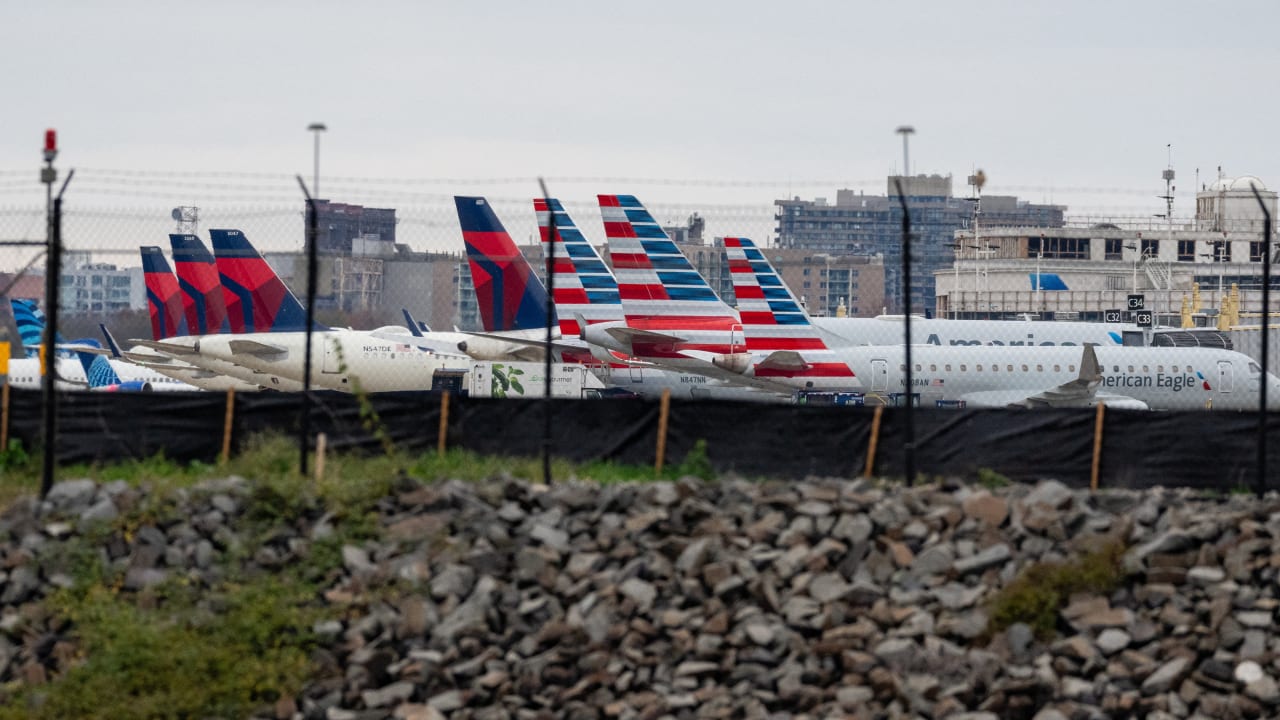
At a press conference the following day, Transportation Secretary Sean Duffy revealed the cause of the chaos. The problem originated at a remote Federal Aviation Administration location, where contractor L3Harris was performing maintenance. They were in the middle of replacing old copper wiring with modern fiber optic cables. Duffy described the copper as so antiquated it was being discontinued, a relic of a bygone era that was finally being phased out. But the transition went catastrophically wrong.
The core of the failure was a router being replaced during the upgrade. Duffy explained that as the new system was being tested, this router began to behave erratically. It didn't just fail; it flooded the network. The router started sending out over 1,000 connection attempts every four to five seconds. This massive surge saturated other routers in the air traffic control system, creating a cascade of communication failures. The result was a total breakdown in radar data reception and communication with aircraft.
The FAA quickly isolated the problem, suspended takeoffs on the ground, and worked to restore the system.
FAA Administrator Bryan Bedford confirmed that the incident was a result of equipment malfunction, not a cyberattack. "We see zero evidence of anything nefarious, and zero evidence of anything AI related," Bedford stated, emphasizing that the agency was investigating a specific faulty piece of equipment. The FAA quickly isolated the problem, suspended takeoffs on the ground, and worked to restore the system. By a certain time, the airspace began to reopen, but the damage was done.
The disruption was immediate and widespread. Thousands of flights were canceled, and the ripple effects continued into the weekend. Duffy warned that the normalization of the system would take time. "It will take some time to normalize the situation," he said. The chaos was a stark reminder of how dependent the modern aviation system is on aging infrastructure. Duffy questioned whether the failure was due to user error, installation error, or a faulty router from L3Harris, asking, "Was it the router? Or were they not doing great work for us at L3Harris?"
The disruption occurred during a busy travel period, raising serious concerns about the reliability of the system during peak demand. With a large number of flights scheduled for that period, officials expected thousands of them to be canceled. In total, a significant number of flights were affected by the cancellations and delays. The government, including the FBI, concluded there was no evidence of malicious intent or artificial intelligence involvement.
The outage served as a wake-up call for the aviation industry. Duffy noted that the government was trying to determine if the problem was caused by incompetence on the part of the contractor or faulty equipment. The incident highlighted the immense challenge of modernizing an air traffic control system that is built on a foundation of old technology. The copper wire that caused the shutdown was a symbol of a system that is struggling to keep pace with the demands of the 21st century. The government has requested a substantial amount for upgrades to prevent future incidents, but the road to a fully modernized system remains long and fraught with risk.


Travelers were weary after a long night of delayed and canceled flights. Friday's ground stop has caused thousands of flights to be impacted on Saturday. https://t.co/LwepuJLfZD https://t.co/2aP9a0ln4J