
In a quiet corner of the Olympic stadium, the air is heavy with the scent of sweat and the weight of a single moment. That is where Teddy Riner has spent his professional life, and it is a world usually separated from the French presidential race by a wall of professional rhetoric. In a video statement released on the social media platform X, Riner declared his candidacy for the 2027 French presidential election. For a nation that elects its head of state in a single, head-on clash of personality and program, the move was not just unexpected, it was a statement of intent. Riner, one of France's most successful combat sport athletes, is not coming in with a legacy of party meetings or legislative committees. He is coming in with a different kind of record. He is coming in as a champion who has stood at the top of his specific discipline and is now asking the country for a more difficult win. The decision to run is not just a personal pivot; it is a direct challenge to the current political landscape, which Riner framed as one that has lost its footing.
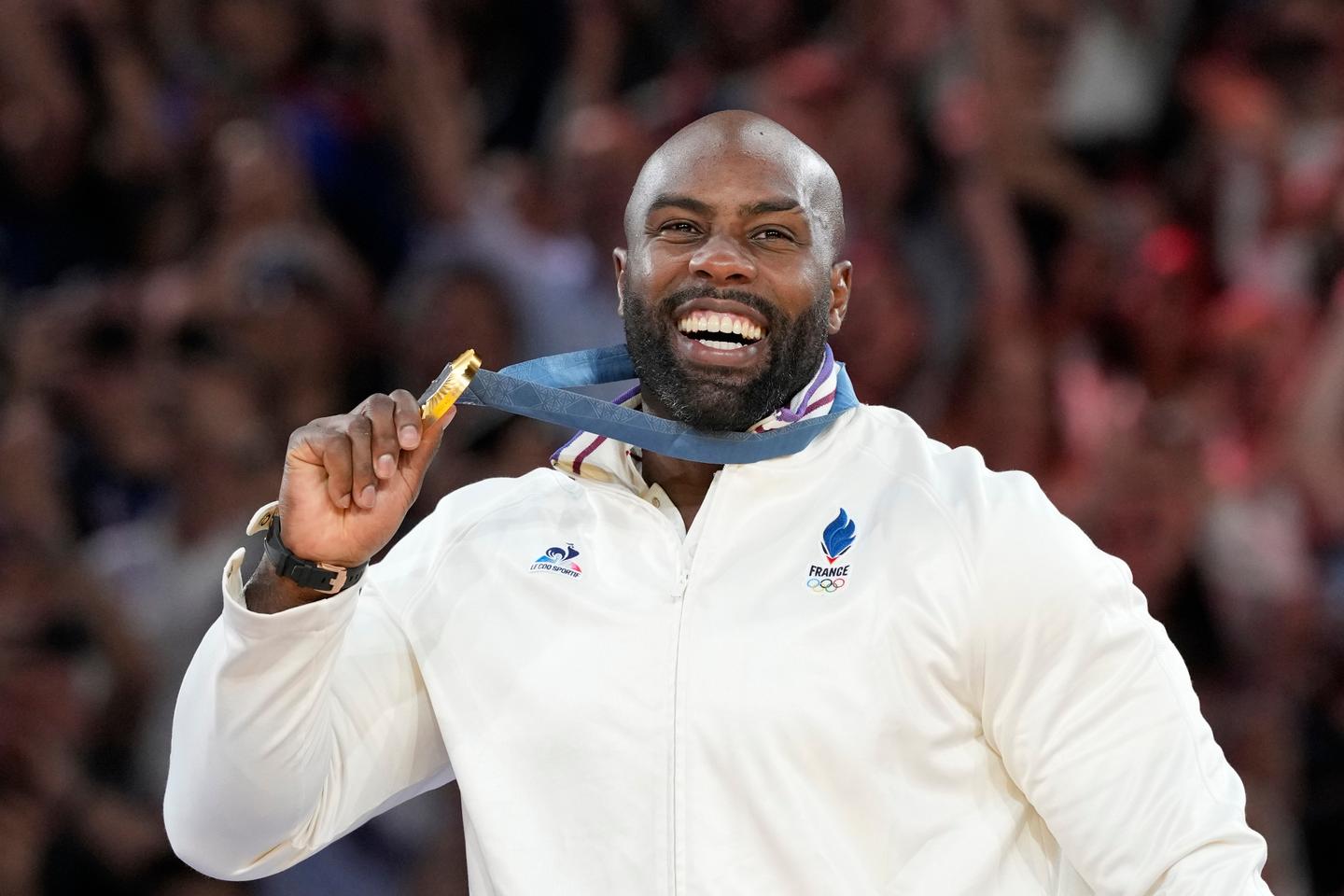
The core of Riner’s argument for the presidency is built on a concept he calls 'straightening' the country. He is not running as a technocrat, nor as a populist with a populist platform. His approach is defined by a commitment to working alongside the French people to address what he sees as a collective failure of leadership. He explicitly positioned himself against what he called 'professional political rhetoric.' This is a term of art in political discourse; it suggests that the standard operating system of French politics—complex policy jargon, institutional maneuvering, and the endless maneuvering of legislative debates—has disconnected the state from its people. Riner’s proposal is to lead through 'common sense' and 'state stability.' He is not offering a blueprint for a new government; he is offering a change in the government's fundamental character. In his vision, the state is not a machine to be managed by experts but a space for shared effort. This 'straightening' is a physical metaphor for a political correction. He is asking voters to support a leader whose primary qualification is not their command of the political system, but their command of their own integrity. For a country that has been grappling with a series of economic and social challenges, this is a direct appeal to a sense of national duty that transcends party lines.
In his video, Riner did not just state his candidacy; he framed it as a moral imperative. "La résignation n'est pas une option," he said, translating to "Resignation is not an option." He argued that in the face of the country's difficulties, the hour has come for individuals to "take on their responsibilities" (prendre ses responsabilités). This is the language of a national emergency, not a standard campaign cycle. It is a call to action that is almost martial in its tone. He tied his personal history to his political promise, explaining that the fight has always been a part of him. "I know what it is to fight, to fall, to always get back up" (Je sais ce que c'est de se battre, de tomber, de se relever toujours). This line is central to his pitch. He is not just a candidate with a plan; he is a person who has personally endured a process of struggle and recovery. He is using the language of his sport—the fall, the rise, the persistence—to explain his political conviction. For a voter who feels they have been failing to 'get up' from their own economic or social struggles, Riner’s message is one of personal, proven endurance. He is offering a leadership model based on individual accountability and the refusal to accept a defeat that he sees as a national choice. The 2027 election, for Riner, is not a test of policy; it is a test of national will.
He tied his personal history to his political promise, explaining that the fight has always been a part of him.
As the 2027 election approaches, Riner's candidacy stands as a stark contrast to the established political field. He has not announced any co-candidates or a detailed legislative agenda. His campaign is, for now, built on a single, powerful identity: that of the athlete who refuses to lose. For a French public that has been told for years that their country is broken, Riner's offer is that it can be fixed. The question he leaves with the country is whether they are ready to bet their next leader on the principle of the get-up, and not on the promises of a professional.