There are moments when a city's rhythm is entirely rewritten by the sheer gravity of a global gathering. For Antalya, that moment is fast approaching as the region prepares to host the 31st UN Climate Change Conference, an immense international undertaking better known as COP31. The summit is anticipated to draw a staggering array of world leaders, diplomats, and negotiators, alongside a daily influx of visitors pouring into the coastal region. This unprecedented convergence of global attention naturally brings profound logistical challenges, particularly regarding urban mobility and public infrastructure in a city poised on the world stage.

Faced with the monumental task of managing the anticipated traffic congestion and security demands of such a vast international summit, the Antalya Governor's Office has stepped in with decisive preventive measures. Through a newly issued circular, local authorities have laid out a sweeping operational blueprint designed to ease the strain on the city's arteries during the height of the leadership events. Rather than attempting to maintain business-as-usual in the dense urban core and its surrounding corridors, the administration has chosen a path of strategic de-escalation, targeting the specific dates when the movement of delegations and global dignitaries is expected to peak.
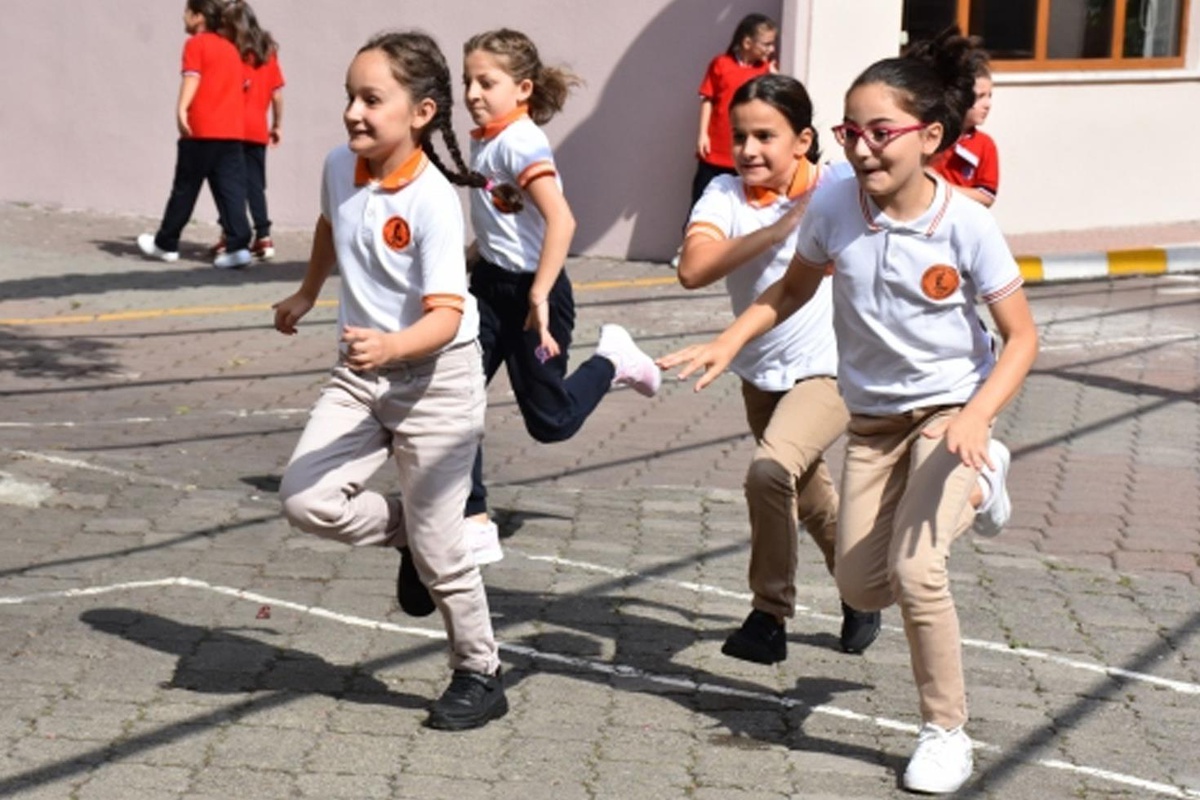
At the heart of this local restructuring is a temporary retreat from the physical classroom. The Governor's Office announced that all public and private schools across seven designated districts—specifically Aksu, Döşemealtı, Konyaaltı, Kepez, Manavgat, Muratpaşa, and Serik—will switch entirely to remote learning on November 11-12. This two-day digital pivot is engineered to dramatically reduce the daily commute volumes of families and student populations. In tandem with the suspension of face-to-face instruction, school buses and associated transportation services will be completely halted across these same districts during the summit days, removing thousands of large vehicles from already pressured roadways.
This provision acknowledges the sudden domestic childcare pressures introduced by the shift to remote learning.
Even as students log on from home and the yellow buses sit parked, the physical infrastructure of education will not be left entirely unattended. The administration has clarified that school administrators will remain strictly on duty throughout the remote learning period. Their mandate is twofold: to actively monitor the ongoing educational process remotely and to remain accessible to answer questions from students and concerned parents. Furthermore, these administrative personnel bear the responsibility of ensuring the physical security and integrity of the school buildings themselves while the city accommodates the global spotlight.
The ripple effects of the summit's logistical adjustments extend directly into the public workforce, offering a measure of relief to working families navigating the sudden closure of physical schools. Female public employees stationed within the seven affected districts who happen to have children in preschool or primary school will be granted a two-day administrative leave on November 11-12. This provision acknowledges the sudden domestic childcare pressures introduced by the shift to remote learning. At the same time, the circular encourages private sector employers within the region to adopt flexible working arrangements for their own employees facing similar domestic hurdles.
While administrative leave offers breathing room for many families, the city's critical operational machinery must continue to function without interruption. The Governor's Office explicitly outlined that the administrative leave policy excludes personnel engaged in vital public services. Staff tied directly to the COP31 organization, alongside workers in security, traffic enforcement, health, emergency response, fire services, public transportation, infrastructure maintenance, energy grids, water supplies, sanitation, and municipal operations, will remain firmly at their posts. As noted regarding the continuity of vital functions, staff in these essential sectors will remain on duty to keep the city operational while the world watches.
As the calendar ticks closer to the opening of the climate summit, these measures reflect the complex reality of modern mega-conferences colliding with everyday civic life. By redistributing the daily flow of people through targeted remote learning and selective administrative pauses, Antalya is attempting a delicate balance: facilitating a smooth, secure international dialogue for global leaders while safeguarding the daily functioning of its communities. The success of these two days in November will serve as a crucial logistical test for a region stepping gracefully into the center of international history.