
On October 11, 2026, shoppers across France noticed something unusual at their local supermarkets. The frozen food sections were strangely empty, and refrigerated displays sat bare. What they didn't see was the invisible attack underway: hackers had remotely manipulated supermarket refrigeration systems, turning them off and triggering extended defrost cycles. Within hours, temperatures soared to 50°C, cooking millions of euros worth of food from the inside out. The digital intrusion had manifested in a very physical disaster.
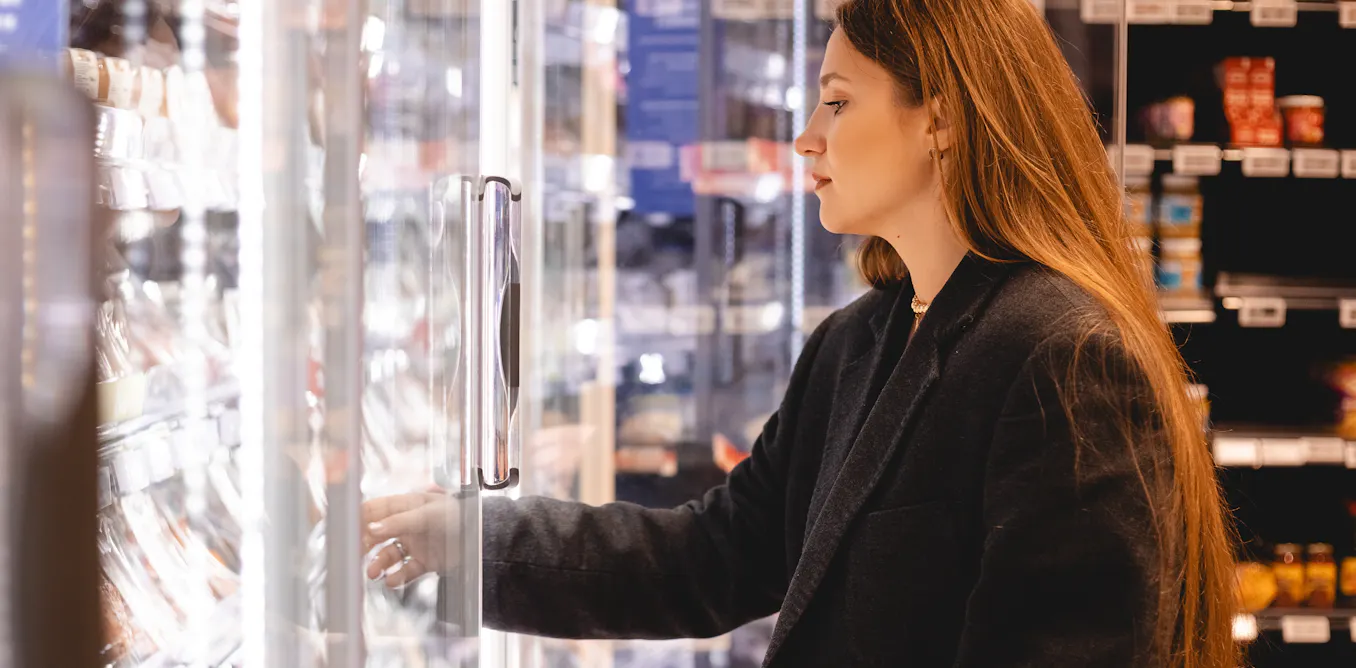
The hackers weren't just randomly disabling freezers. They executed a sophisticated attack that targeted the remote maintenance systems built into modern refrigeration units. These systems, designed for convenience, allow technicians to diagnose and fix equipment without being physically present. But this convenience comes with a dangerous trade-off. The hackers exploited these access points, programming the systems to run defrost cycles for 8 hours instead of the normal 1 hour. This prolonged thawing was enough to compromise the cold chain, turning commercial freezers into incubators for bacterial growth and food spoilage.

Hackers Deploy Malware in Fresh ScreenConnect Campaign https://t.co/Y7H3GH0NuY
What began in France didn't stay there. By early November, similar attacks had spread to several European countries, demonstrating the scalability of the threat. The cross-border nature of the attack highlighted how interconnected our critical infrastructure has become. A vulnerability in one nation's supermarket supply chain could quickly become a regional crisis, affecting food security and economies across multiple borders. The digital realm knows no geographical boundaries, and neither do the consequences of these attacks.
The supermarket attacks revealed a fundamental flaw in the internet of things (IoT) security model.
As investigators scrambled to understand the source of the attacks, French officials stepped forward with accusations. On November 9, 2026, they publicly blamed Iran for the cyberattacks on French supermarkets. The announcement came without detailed public evidence, but it reflected growing confidence in the attribution. Meanwhile, experts noted that Russian involvement couldn't be ruled out, though Moscow has consistently denied any involvement in such attacks. The geopolitical dimensions of cyber warfare were becoming increasingly apparent, with digital attacks serving as proxies for international tensions.
The supermarket attacks revealed a fundamental flaw in the internet of things (IoT) security model. Connected devices like refrigerators, ovens, and other appliances often remain mechanically functional long after their cybersecurity protections become inadequate. Manufacturers prioritize functionality and connectivity over long-term security updates, creating a dangerous gap between physical equipment and digital protection. This vulnerability extends far beyond grocery stores—any connected device with inadequate security could become a target or a tool for larger attacks.
The attacks raised urgent questions about responsibility in the IoT ecosystem. Should manufacturers be held accountable for securing their products throughout their entire lifespan? What about the companies that operate these connected systems? Or the internet service providers that facilitate the connections? As more physical infrastructure becomes digitized, the lines of responsibility blur, creating regulatory challenges that outpace technological development. The French supermarket incident demonstrated that when things go wrong, the consequences are measured not just in euros, but in spoiled food and potential public safety risks.

BREAKING: 🇹🇼Hackers reportedly stole 6.9GB of data containing records of 46,000 TSMC employees and are demanding 3 $BTC to release it. TSMC says its production, internal systems and customer data remain unaffected. A major data breach, but no reported impact on chip production. https://t.co/bBMgOifsQP
The implications of these attacks extend far beyond grocery stores. The same vulnerabilities exist in connected ovens that could overheat, in smart home systems that could be used to monitor occupants, and in industrial equipment that could be sabotaged. As we continue to embed sensors and connectivity into every aspect of our lives, we must confront the uncomfortable truth that convenience often comes at the security cost. The supermarket fridge attack was just the beginning—a warning of what happens when our physical world becomes as vulnerable as our digital one.
Today, the supermarket attacks serve as a case study in cybersecurity education. They remind us that in our increasingly connected world, the line between digital and physical security has disappeared. What happens online doesn't stay online—it manifests in spoiled food, disrupted services, and compromised safety. As we continue to digitize our infrastructure, we must develop new approaches to security that recognize this reality. The alternative is a world where every connected device is a potential weapon, waiting to be turned against us by those who wish harm.