
On November 26, 2026, a gathering in the Lebanese capital brought together participants united in a show of solidarity with Bahraini clerics. What began as an expression of support quickly escalated into a diplomatic incident when attendees made statements critical of Bahrain's judicial system and government. The meeting, though not officially sanctioned by Lebanese authorities, would soon draw sharp condemnation from Manama and trigger a formal diplomatic protest.
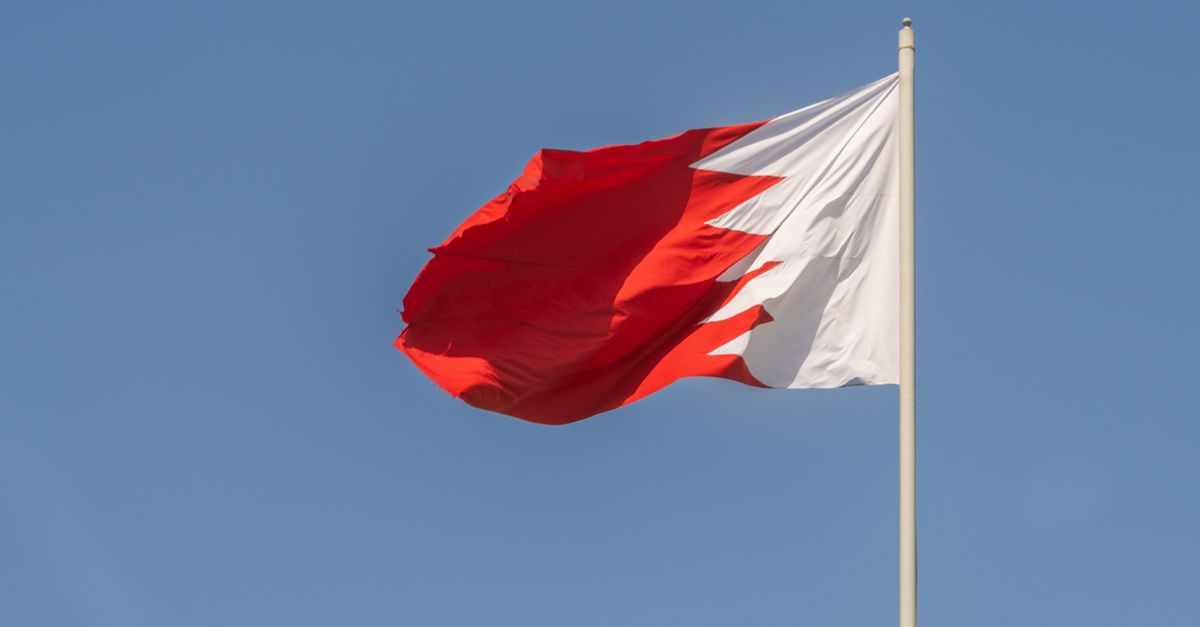
Just two days after the Beirut meeting, Bahrain's Ministry of Foreign Affairs took decisive action. On November 28, the ministry summoned Lebanese Ambassador Hadi Hashim to its headquarters in Manama. There, officials handed Hashim a formal protest note, expressing Bahrain's strong disapproval of the events that had taken place in Beirut. The Bahraini government viewed the gathering as an unacceptable interference in its internal affairs, particularly its judicial processes.
Abdullah bin Ali Al Halife, Director General of Bilateral Relations at Bahrain's Foreign Ministry, was clear in his assessment of the meeting. He stated that the Bahraini administration and judiciary were "targeted with false accusations and insulting statements" during the gathering. According to Bahraini officials, these remarks went beyond legitimate criticism and constituted harmful interference in the country's sovereign affairs. The Bahraini government emphasized that such actions would not be tolerated.
The meeting in Beirut received significant attention through Al-Manar TV, a media outlet linked to Hezbollah, the Lebanese political party and militant group.
The meeting in Beirut received significant attention through Al-Manar TV, a media outlet linked to Hezbollah, the Lebanese political party and militant group. According to Al-Manar, participants at the gathering had criticized judicial decisions against Bahraini clerics as unjust. They called on Bahraini authorities to reverse these rulings and release the detainees being held. Hezbollah's involvement in highlighting the meeting underscored the complex web of regional alliances and tensions surrounding Bahrain's treatment of its religious figures.
In response to Bahrain's diplomatic protest, Lebanon's Ministry of Foreign Affairs issued a carefully worded statement. While the Lebanese government condemned "the insulting words directed at the Manama administration during the meeting," it was quick to clarify that the gathering had been "not an official government event and had no affiliation with the state." This distinction allowed Lebanon to distance itself from the meeting's content while still addressing Bahrain's concerns about diplomatic protocol.
The incident highlights the delicate balance that Lebanon must maintain in its foreign relations, particularly given the influence of Hezbollah within its political landscape. For Bahrain, the protest serves as a reminder of its sensitivity to external criticism of its judicial system, especially regarding cases involving religious figures. The exchange underscores how domestic political issues in one nation can quickly become international diplomatic quandaries when other countries' actors weigh in with public criticism.
As of now, the diplomatic exchange remains at the protest note stage, with no indication of further escalation. Bahrain has demanded that Lebanese authorities prevent similar gatherings from occurring in the future. The Lebanese government, while condemning the language used at the meeting, has not explicitly committed to preventing such events from taking place. This leaves open the possibility of future tensions should similar expressions of solidarity with Bahraini clerics be organized on Lebanese soil.