In the corridors of American technological power, few figures command as much attention as Jensen Huang. The CEO of Nvidia has built a company that stands at the forefront of artificial intelligence, a domain where the stakes are no longer just commercial but national. Yet in early November 2026, that stature was suddenly tested by a personal scandal with profound geopolitical implications. The Federal Bureau of Investigation opened a probe into Huang, not over corporate malfeasance, but over an alleged extramarital relationship with a woman suspected of being a Chinese intelligence asset. The story unfolded with the speed of a breaking news cycle, forcing the tech world, the White House, and the stock market to navigate a new and unexpected crisis.
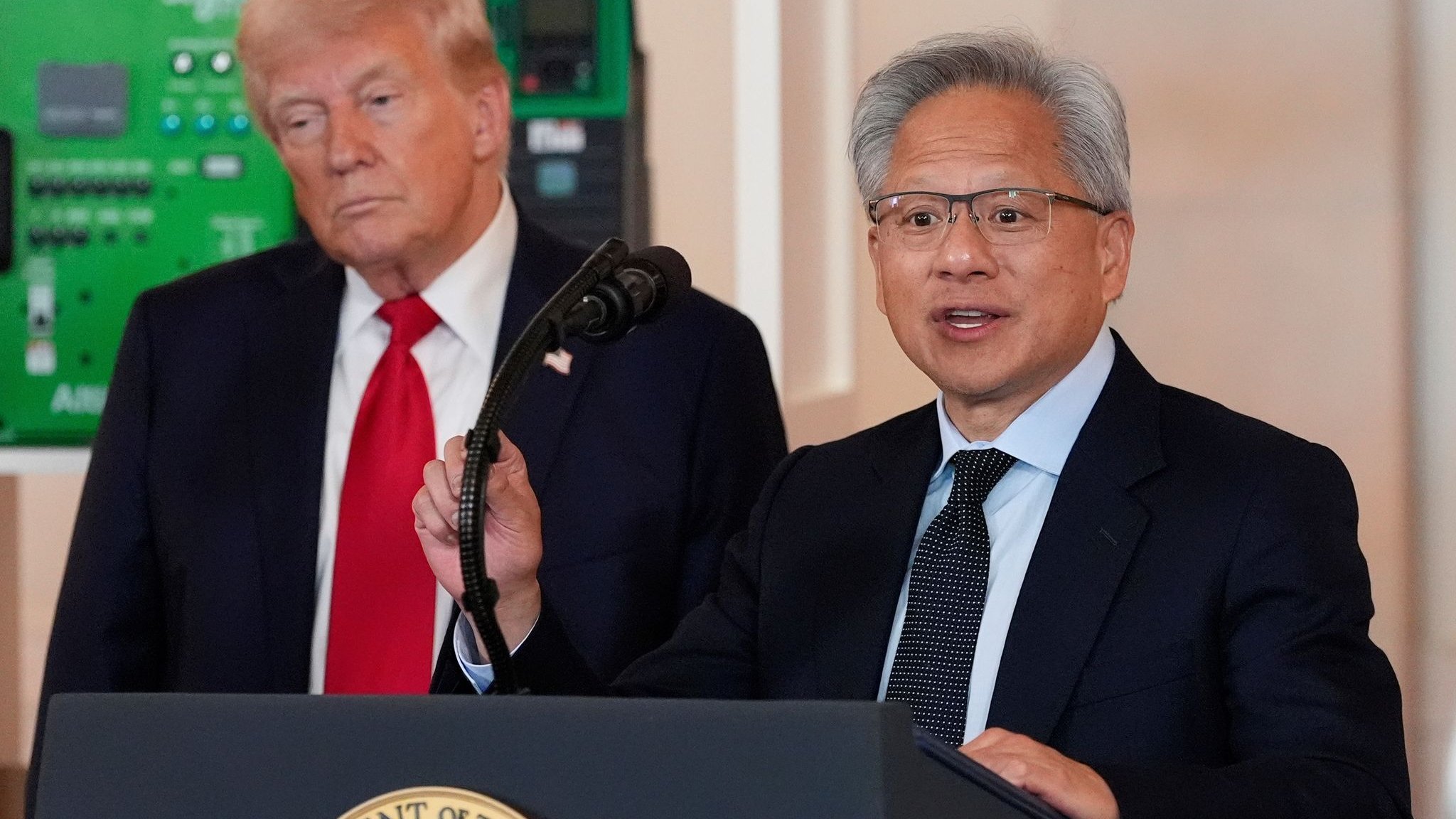
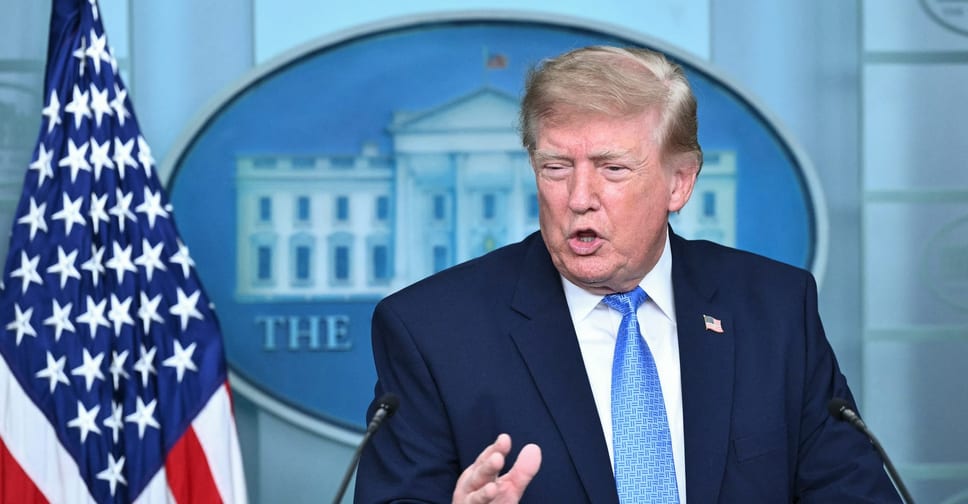
President Donald Trump took to the stage to address the situation with a tone that mixed personal camaraderie with political calculation. Rather than distancing himself from the CEO, Trump leaned into his own relationship with Huang. "I know Jensen very well. He is a very respected person. He has built a great company," the President stated, signaling a strong defense of Huang’s character. This support was not merely political; it was framed through the lens of technological supremacy. Trump highlighted the uniqueness of Nvidia’s hardware, noting, "He’s got a chip that's 10 years advanced... the Blackwell—can't even be copied. He's an amazing guy." By emphasizing the unreplicability of Nvidia's work, Trump underscored why the integrity of its leadership was a matter of state interest.
The President also offered a glimpse into a direct conversation with the CEO. "I have discussed this matter with Jensen Huang. I was not aware that the woman was a Chinese agent," Trump said. He relayed Huang’s defense: "He said, 'I had no idea that she was a spy and I really believe him.'" While the President conceded the personal strain on Huang, he quickly moved to downplay the severity of the national security risk. "There's no problem. If there is a problem, we'll let you know about it, but I hope there's no problem," he concluded, attempting to stabilize the narrative before it could spiral.
Shareholders alleged that Nvidia and Jensen Huang had concealed material information from investors regarding the relationship with the suspected spy.
While the President sought to calm public fears, Nvidia’s internal governance took a more procedural approach. The company’s board of directors conducted an internal review and announced it found no indication that national security secrets or proprietary company information had been compromised. This finding was a crucial piece of evidence in the ongoing debate: was the relationship a personal lapse, or a conduit for espionage? The board’s stance provided a layer of corporate credibility, but it could not shield the company from the growing backlash in the courtroom.
On November 10, that backlash materialized in the form of a class action lawsuit filed in federal court in San Jose. Shareholders alleged that Nvidia and Jensen Huang had concealed material information from investors regarding the relationship with the suspected spy. This legal challenge marked a shift in the narrative from a geopolitical thriller to a corporate governance dispute, forcing investors to question the transparency of the world’s most valuable chip designer.

US President Donald Trump has said the FBI is investigating the affair between the boss of Nvidia and an alleged Chinese spy. Read more: https://t.co/WeUgIPNyZZ https://t.co/m0eJledxYk
The financial markets reacted to the uncertainty with a predictable volatility. On Monday, November 6, Nvidia’s stocks had fallen 5 percent in a single trading session. Investors were priced in the risk that the investigation could lead to regulatory crackdowns on chip exports to China, or that the scandal would erode trust in the company’s intellectual property. The drop reflected not just a loss of confidence in the stock, but a broader anxiety about the fragility of the tech supply chain.
International reactions further complicated the picture. In response to allegations that it was attempting to detain Huang, the government of China issued a sharp denial. Beijing labeled the claims a smear campaign, a move that suggested the dispute had become a tool in the broader diplomatic standoff between Washington and Beijing. While the specific claim of detention was refuted, the underlying tension between the two powers remained a constant backdrop to the investigation.

Amid the political posturing and legal threats, Jensen Huang himself stepped forward to address his employees and the public. In a statement that balanced personal regret with professional commitment, Huang apologized to his family and all employees. "I will cooperate with the investigation," he pledged, signaling a willingness to submit to the FBI’s scrutiny. This cooperation was a strategic choice; by appearing compliant, Huang aimed to counter the narrative of a secretive executive hiding connections to foreign intelligence. His apology marked a pivot from the initial shock to a phase of formal resolution, where the legal and investigative processes would determine the final outcome.
At the heart of this storm lies a simple, formidable truth: Nvidia’s chips are not just products; they are instruments of American technological dominance. The claim that its Blackwell architecture is ten years ahead of competitors is not merely marketing hyperbole; it represents a lead in technology.