
The hills of Uttarakhand are waking up to a new reality. In a state defined by its rugged terrain and dispersed communities, the machinery of democracy has been hard at work, and the result is a significant shift in the political landscape. The Election Commission of India has officially released the draft electoral roll for the upcoming general elections, a document that now represents the collective will of a state that has just grown by more than a hundred thousand people.
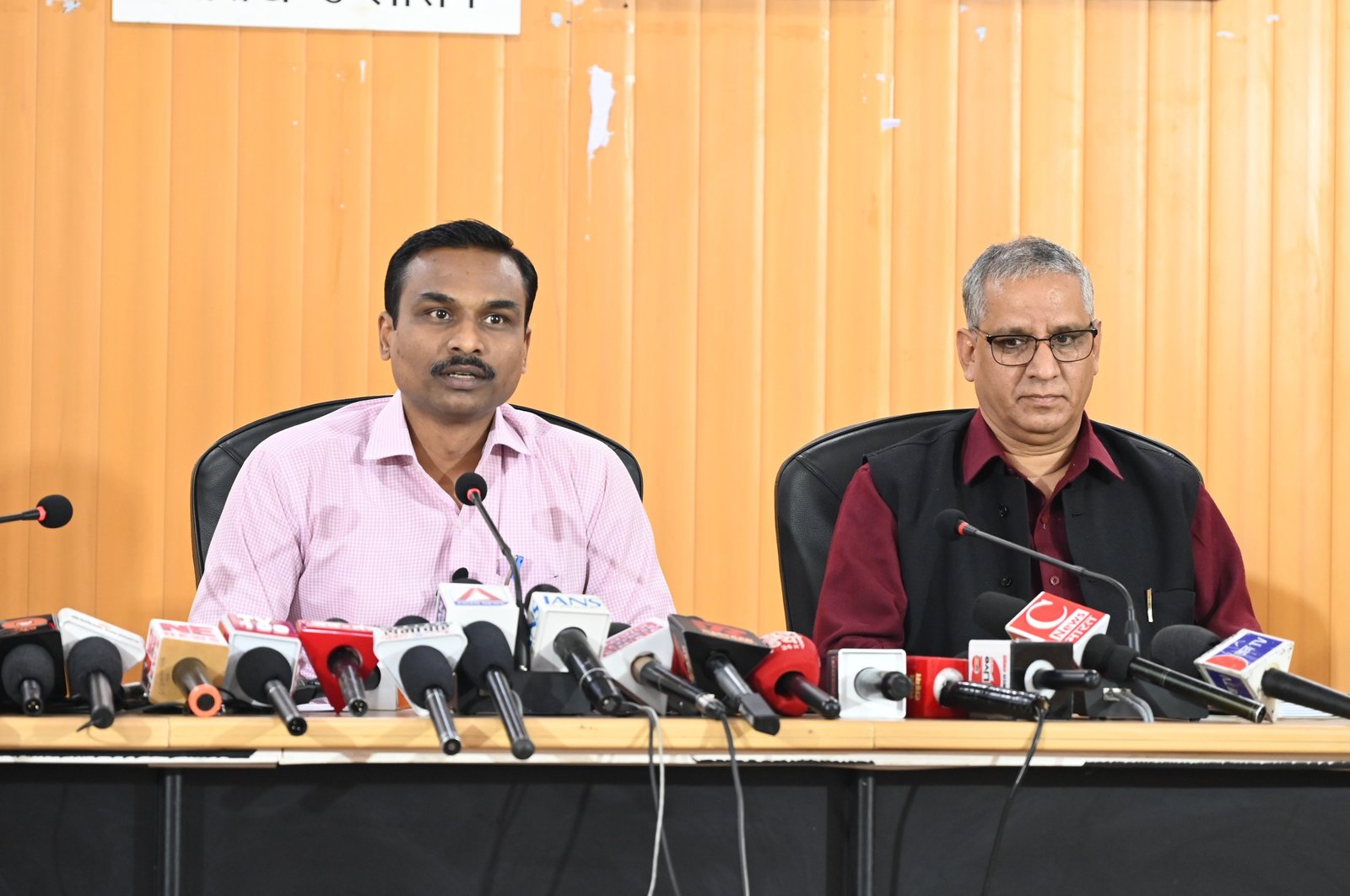
This is not just a list of names; it is a living, breathing snapshot of a population in flux. The numbers are staggering. The draft list now includes a total of 7,278,035 voters, a figure that places the state firmly on the map of India's democratic process. But the most striking statistic is the growth. During a special intensive review campaign conducted between October 4 and 31, the administration added 125,216 new voters to the rolls.
To understand the weight of these numbers, one must look at the people behind them. The state administration has worked tirelessly to ensure that every eligible citizen has the opportunity to be heard. The campaign was a massive undertaking, a coordinated effort to reach into every corner of the state, from the bustling cities to the remote villages.
Citizens now have the opportunity to verify their names and family members on the list.
The results are reflected in the demographics of the new rolls. The Election Commission has confirmed that the list includes 34.84 lakh women, 37.93 lakh men, and 215 third-gender voters. This diversity is a testament to the inclusive nature of the democratic process. It is also a reflection of the state's commitment to ensuring that every voice counts, regardless of gender or identity. In addition to these figures, the rolls also include 86,428 registered service voters, a group that plays a crucial role in the nation's defense and security.
The growth is not uniform across the state. Some districts have seen a more significant influx of new voters than others. Haridwar district leads the way, with a total of 12.64 lakh registered voters. This makes it the most populous district in the state, a fact that will undoubtedly be a key factor in any future electoral calculations. Following closely behind is Dehradun, with 12.28 lakh voters, and Udham Singh Nagar, with 11.63 lakh. These three districts alone account for a significant portion of the state's total electorate, and their growth will be closely watched by political analysts.
The process of creating and maintaining the electoral roll is a complex one. It is not enough to simply add names; the list must be accurate and up-to-date. This is where the role of the Booth Level Officers (BLOs) becomes critical. They are the foot soldiers of the election process, the individuals who work on the ground to verify information and ensure that the rolls are a true reflection of the population.
Citizens now have the opportunity to verify their names and family members on the list. They can also file claims or objections for errors in name, age, or address. This is a crucial step in the process, as it allows individuals to correct any mistakes and ensure that they are properly represented. Applications for adding new names or correcting existing entries are accepted until December 11. After this deadline, the electoral officers will be required to decide on these claims by December 28. This timeline ensures that the final roll will be ready in time for the January 4, 2027, publication date.
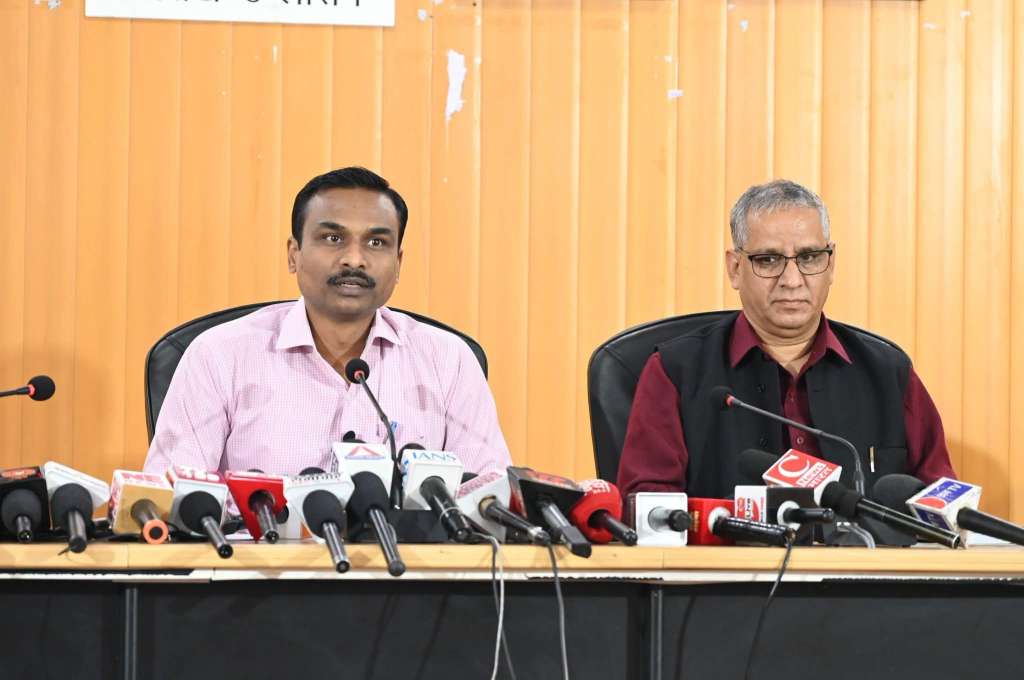
The growth of the electorate is not just about numbers; it is also about the infrastructure that supports it. The Election Commission has reorganized the state's polling centers, increasing the total to 12,498. This reorganization is a necessary step to ensure that the voting process is efficient and accessible for all voters. With more voters comes the need for more polling stations, and the Commission has risen to the challenge.
The release of the draft roll is a major milestone in the democratic process. It is a signal that the state is preparing for a major election, and that the groundwork is being laid for a fair and transparent contest. The special revision campaign has been a success, adding a significant number of new voters to the rolls. The next few weeks will be crucial, as citizens review the list and ensure that their names are included. The final electoral roll will be published on January 4, 2027, and it will be the definitive guide to the political future of Uttarakhand.