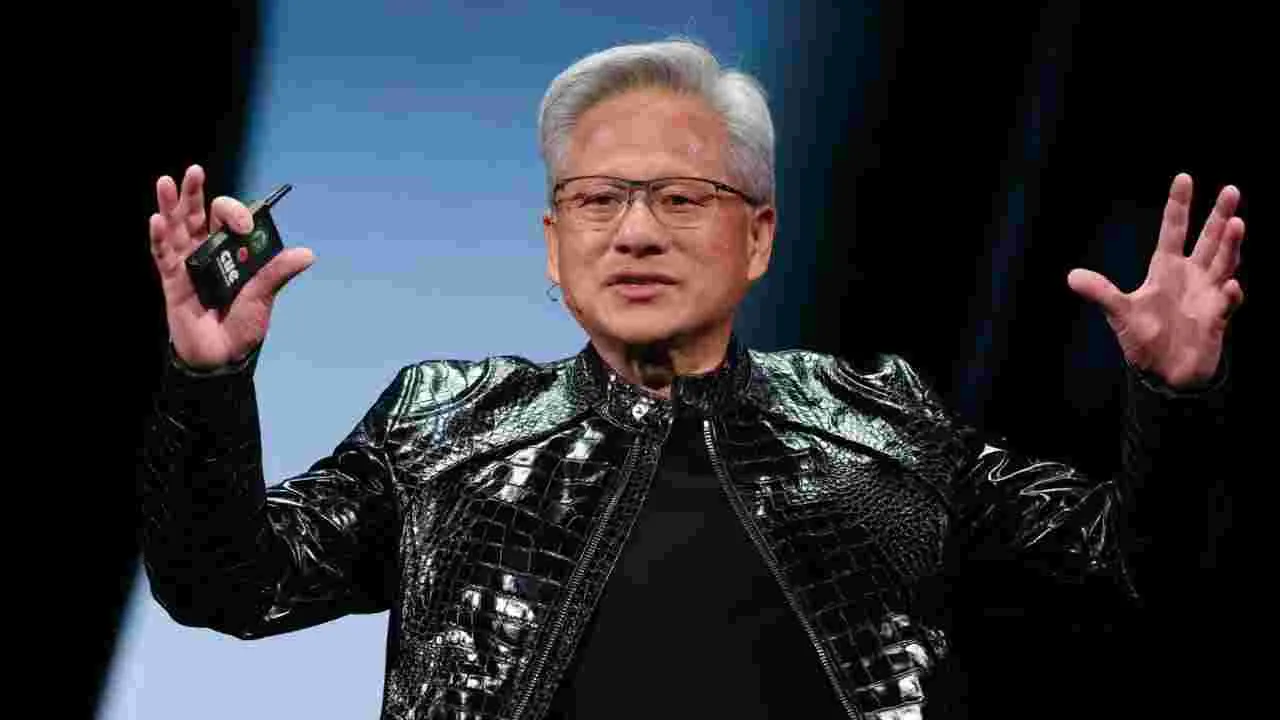
On November 16th, 2026, Jensen Huang, the driving force behind Nvidia’s ascent as a global technology leader, resigned. The reason: a suspected spying affair. Details remain murky, but the departure of Huang, 63, sent shockwaves through Silicon Valley and beyond. Nvidia, a company whose chips power everything from gaming graphics cards to the artificial intelligence revolution, suddenly found itself without its long-time leader. The company itself has remained neutral in public statements, focusing on the ongoing investigation. But the vacuum at the top didn’t last long before a counter-movement began to build.

Almost immediately after Huang’s resignation, a group of his allies began organizing. Described as a “crisis room” by reports, this effort isn’t a spontaneous outpouring of grief; it’s a carefully orchestrated campaign to pressure Nvidia’s board of directors. The group includes prominent figures from Silicon Valley and, notably, Travis Kalanick, the co-founder of Uber. An anonymous ally, speaking while an independent investigation gathers facts, described the group’s intent. The goal, it seems, is to ensure Huang’s swift reinstatement. This isn’t merely about loyalty; it’s about the future direction of a company at the heart of the tech world.
Beyond the closed-door meetings of Silicon Valley power players, a public campaign quickly gained momentum. An open letter demanding Huang’s return circulated rapidly, gathering signatures from over 150,000 people. The list of signatories reads like a who’s who of the tech industry, including Elon Musk, the owner of X (formerly Twitter) and Tesla. Musk’s support is significant, given his own influence and outspoken views on technology leadership. The sheer number of signatures underscores the widespread belief that Huang is irreplaceable. The organizers of the letter emphasized a desire for “gerechtes Verfahren, kein Volkstribunal” – a fair process, not a public trial – suggesting a concern that the investigation might be politically motivated.
The company’s chips aren’t just components in computers; they’re strategic assets.
While Huang’s allies rally support, a different voice emerged from within the US government. On the same day as the initial flurry of activity – November 16th – US Treasury Secretary Scott Bessent publicly demanded that the CEO position be filled by someone outside the company. Bessent’s reasoning isn’t about the spying allegations themselves, but about national security. He pointed to incidents where modern Nvidia chips were smuggled into China by firms in Singapore and Malaysia, a clear violation of US export bans designed to limit China’s access to advanced technology.
These smuggling incidents highlight the critical role Nvidia plays in the broader geopolitical landscape. The company’s chips aren’t just components in computers; they’re strategic assets. The US government has been increasingly concerned about China’s advancements in artificial intelligence and military technology, and limiting access to cutting-edge chips is a key part of that strategy. The fact that Nvidia chips were allegedly diverted to China raises questions about the company’s internal controls and its ability to prevent future breaches. Bessent’s call for an external CEO suggests a belief that a fresh perspective is needed to address these vulnerabilities.
Bessent’s intervention adds a layer of complexity to the situation. It’s not simply a matter of finding a qualified CEO; it’s about finding someone the US government trusts to safeguard sensitive technology. The alleged smuggling operation, carried out by companies in Singapore and Malaysia ostensibly for their own use, demonstrates the difficulty of controlling the flow of these chips even with export restrictions in place. This raises the stakes for Nvidia and its board, who must now navigate a delicate balance between internal pressures and external scrutiny.
The ‘crisis room’ isn’t just focused on the board; they’re also reportedly seeking support from the White House. This suggests a strategy of leveraging political influence to counter Bessent’s demands. The involvement of figures like Kalanick, known for his aggressive business tactics, hints at a willingness to fight hard for Huang’s return. The White House’s position is currently unclear, but its involvement could be decisive. The situation has become a high-stakes game of power, with the future of Nvidia – and potentially the balance of technological power – hanging in the balance.

As of today, the independent investigation into the spying allegations continues. The battle lines are drawn: Huang’s allies are pushing for his reinstatement, backed by a significant public outcry, while the US Treasury Secretary insists on an outsider to address national security concerns. The outcome will likely depend on the findings of the investigation, the White House’s stance, and the willingness of Nvidia’s board to navigate this unprecedented crisis. The company’s future, and its role in the global tech landscape, remains uncertain.