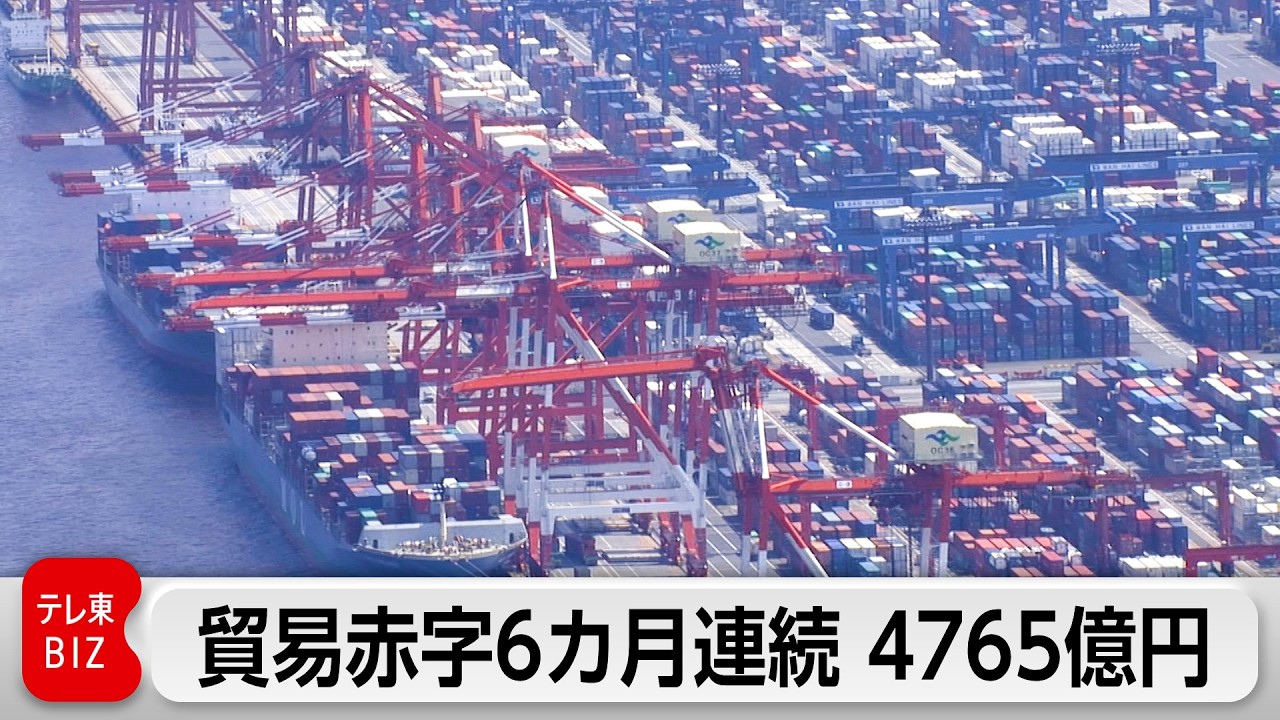
For anyone following the global economy, the numbers coming out of Japan at the end of October felt…familiar. The country recorded a trade deficit of 476.5 billion yen, marking the sixth consecutive month that Japan has imported more than it has exported. It’s a pattern that, while not unprecedented, is raising concerns about the long-term health of the world’s third-largest economy. For context, a trade deficit means a country is spending more on imports than it’s earning from exports – essentially, money is flowing out of the country.

This isn't a story of Japan failing to sell its goods abroad. In fact, exports increased by 20.5% compared to the same period last year, reaching 11.7688 trillion yen. The engine of that growth? Vehicles, largely bound for the United States. But the gains were simply outpaced by even larger increases in the cost of what Japan is buying from the rest of the world.
Imports climbed even faster, jumping 21.6% to 12.2453 trillion yen. The key driver? Energy. Specifically, the price of crude oil. And the reason for that price? Instability in the Middle East. Japan, a nation with very limited domestic energy resources, relies heavily on imports to power its economy. When global events disrupt the supply or drive up the price of oil, the impact is felt acutely in Tokyo and across the country.
This is because demand for the currency decreases as importers need to exchange yen for foreign currencies to pay for goods.
This dynamic is a classic example of how interconnected the global economy has become. A geopolitical event thousands of miles away – conflict or uncertainty in a major oil-producing region – can directly translate into economic challenges for a country like Japan, even if its own industries are performing well.
While the headline figures tell a story of deficit, a closer look reveals a more nuanced picture. The 20.5% surge in exports was largely fueled by strong demand for Japanese automobiles, particularly in the United States. This demonstrates the continued competitiveness of Japanese manufacturing, and the enduring appeal of its cars.
However, this reliance on a single sector – and a single major market – also highlights a potential vulnerability. While vehicle exports are booming, they aren’t enough to offset the rising costs of energy and other essential imports. The Finance Ministry, which released the trade statistics on November 18, 2026, will be closely watching whether this trend continues, or if other sectors can step up to diversify Japan’s export base.
The trade deficit also has implications for the Japanese yen. Typically, a trade deficit can put downward pressure on a country’s currency. This is because demand for the currency decreases as importers need to exchange yen for foreign currencies to pay for goods. A weaker yen can, in turn, make imports even more expensive, potentially exacerbating the deficit.

However, the yen has remained relatively stable despite the recent deficits, suggesting other factors – such as interest rate differentials with the United States – are playing a larger role in currency markets. This complex interplay of forces makes it difficult to predict the long-term impact of the trade deficit on the yen’s value.
Japan’s situation isn’t isolated. Many Asian economies are similarly vulnerable to fluctuations in global energy prices and disruptions to supply chains. As a major importer of raw materials and energy, Japan’s trade deficit serves as a warning sign for the region as a whole.
This is particularly true for countries that rely heavily on trade with Japan. A slowdown in Japanese economic growth, or a further weakening of the yen, could have ripple effects throughout the region, impacting everything from tourism to investment.
The fact that Japan is experiencing its sixth consecutive month of trade deficit is a clear indication that this isn’t a temporary blip. The underlying factors – high energy prices and geopolitical instability – are likely to persist for the foreseeable future.
While the strong performance of the vehicle export market offers some respite, it’s not enough to fully offset the rising costs of imports. The Finance Ministry will continue to monitor the situation closely, and policymakers will be under pressure to find ways to mitigate the impact of the trade deficit on the Japanese economy.
As of late 2026, the situation remains unresolved. Japan is navigating a complex economic landscape, balancing the benefits of strong export growth with the challenges of rising import costs and global uncertainty. The coming months will be crucial in determining whether the country can break the cycle of trade deficits and secure its long-term economic stability.

🇯🇵 🇯🇵🇯🇵🇯🇵🇯🇵 Japan’s 2026 trade paradox: Booming exports, yet another deficit! In September 2026, Japan's exports grew for the 13th consecutive month, driven by strong demand for semiconductors and automobiles. Yet Japan still recorded a ¥556.5 billion trade deficit, its fifth consecutive monthly deficit. How can exports boom while the country continues to run a trade deficit? * Semiconductor Boom: Semiconductor exports surged 49.4%, supported by strong global demand for AI-related technology. * Soaring oil bills: Crude oil imports jumped 51.1% in value, even though import volumes increased by only 3.1%. Middle East tensions pushed energy costs higher. * Weak Yen: A weaker yen supported export competitiveness but also increased the cost of imported energy and raw materials. * Changing auto markets: Global car exports rose 16.4%, while exports to China dropped by approximately 60%. So ... Japan's exports increased 16.5%, but imports grew even faster, at 18.9%. Strong exports do not guarantee a trade surplus when the import bill rises even faster. #econtwitter Source: Japan Ministry of Finance, September 2026 trade statistics, updated October 29, 2026.