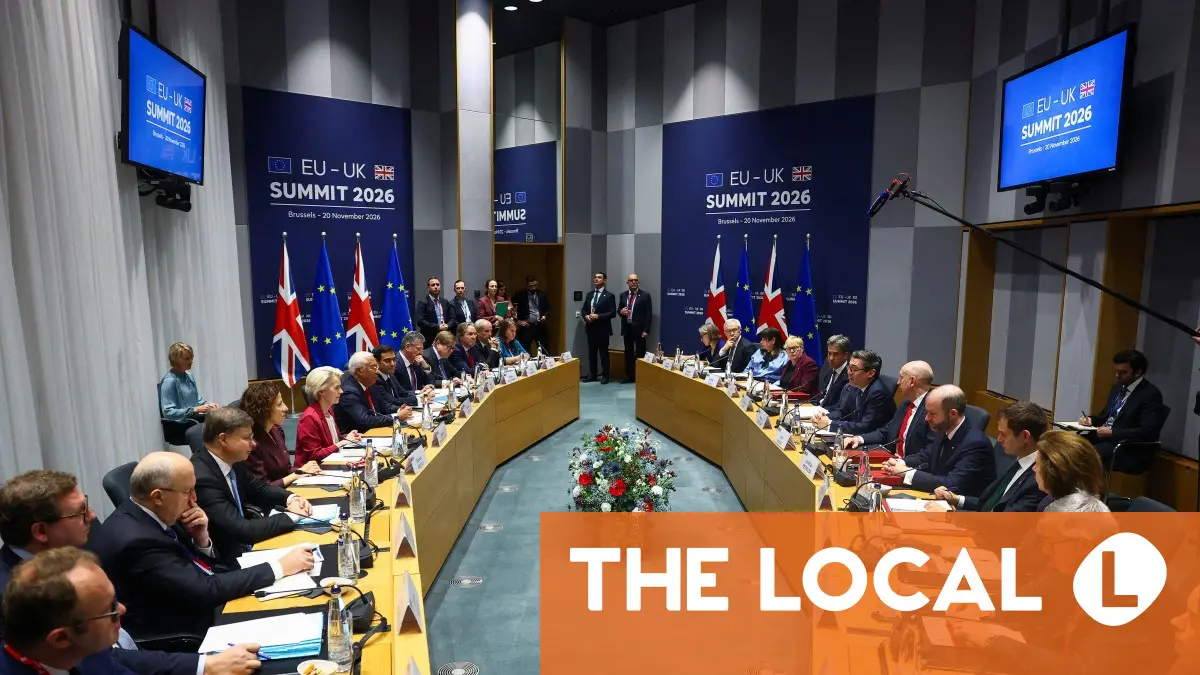
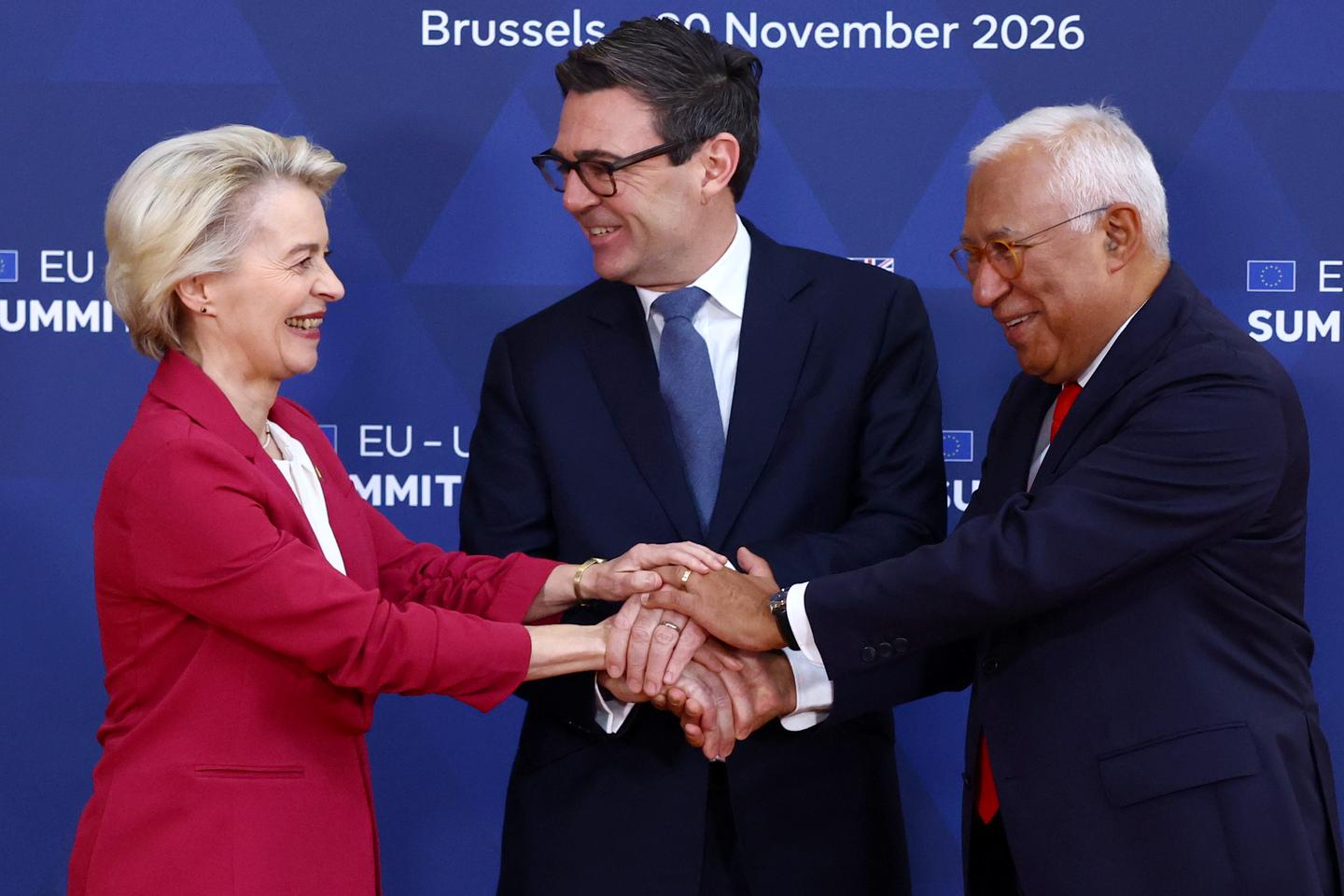
In a Brussels summit that concluded on November 20, 2026, the United Kingdom and the European Union unveiled a series of agreements aimed at resetting their relationship after years of Brexit tensions. The deals, covering trade, environmental cooperation, and youth mobility, represent a significant thaw in relations between the two former partners. European Commission President Ursula von der Leyen described the agreement as a "turning point," while UK Prime Minister Andy Burnham called it a "landmark step to undo the damage of Brexit."
Among the most practical agreements reached was the decision to scrap certain checks on trade in plant and animal products between the UK and EU. This move addresses one of the most visible and frustrating post-Brexit border issues for businesses and consumers alike, particularly affecting the food and agricultural sectors. The elimination of these checks promises to reduce administrative burdens and costs for traders on both sides of the Channel, facilitating smoother commerce between the UK and the now 27-nation bloc.

UK PM Andy Burnham has signed new agreements with the EU at today's UK-EU summit in Brussels, covering food trade, emissions trading and youth mobility, the most concrete unwinding of Brexit since 2016 - WaPo
The summit also produced an agreement to link the UK's and EU's emissions trading schemes. This environmental cooperation represents a significant step in addressing climate change through coordinated policy mechanisms. By connecting their carbon markets, the two regions aim to create a more comprehensive approach to reducing emissions while potentially lowering costs for businesses participating in both systems. This environmental partnership demonstrates that cooperation on shared challenges can continue despite political differences.
Building on the youth mobility agreement, the UK and EU committed to a six-month period to negotiate student fee reciprocity.
Perhaps the most forward-looking agreement established a youth mobility scheme allowing up to 100,000 young adults from each region to live and work in the other's countries for up to three years. This ambitious program recognizes the importance of cross-cultural exchange and professional development for the next generation. The initiative aims to strengthen people-to-people ties that were strained by Brexit, offering young Britons and Europeans the opportunity to experience life and work across the Channel without the previous bureaucratic barriers.

"The politics of it this morning have been messy and dramatic." Political editor @BethRigby explains the "spanner in the works" over tuition fees and the "three main big points" from the UK-EU summit. https://t.co/KqVlCdKtpY 📺 Sky 501, Virgin 602, Freeview 233 and YouTube https://t.co/g4ShEgFpJt
Building on the youth mobility agreement, the UK and EU committed to a six-month period to negotiate student fee reciprocity. This potential deal would address a significant financial barrier for students wishing to study across the Channel, making higher education more accessible and affordable. The negotiations, to be completed within six months of the summit, could transform educational opportunities for thousands of students each year, further strengthening the academic and cultural connections between the UK and EU.
UK Prime Minister Andy Burnham used the summit to deliver a frank assessment of Brexit's impact, stating that "The Brexit we were given has not worked. We have lost more than we gained." This candid acknowledgment represents a significant shift in political discourse, suggesting a willingness to reassess the UK's relationship with the EU. Burnham emphasized that "A closer partnership with Europe is good for working people, good for Britain and good for Europe," positioning the agreements as practical steps toward improving everyday lives.

U.K. and EU hold rare summit as Burnham seeks to mend Brexit damage https://t.co/jVaj50hVv0
Burnham specifically highlighted how closer ties with Europe would help "ease the cost of living" for British citizens. The agreements reached in Brussels, particularly the trade facilitation and potential student fee arrangements, directly address economic concerns that have plagued many households since Brexit. By reducing administrative costs in trade and potentially lowering education expenses, these deals promise tangible economic benefits for ordinary people.
In perhaps the most politically significant statement of the summit, Burnham suggested that rejoining the EU remains one option on the table for future relations, although he clarified that such a move is not imminent. "This is a good day for Britain. This is a good day for Europe," Burnham declared, framing the current agreements as building blocks for a potentially deeper relationship in the future. This statement marks a notable departure from the hardline Brexit rhetoric that has dominated UK politics in recent years, opening the door to a more flexible approach to European relations.