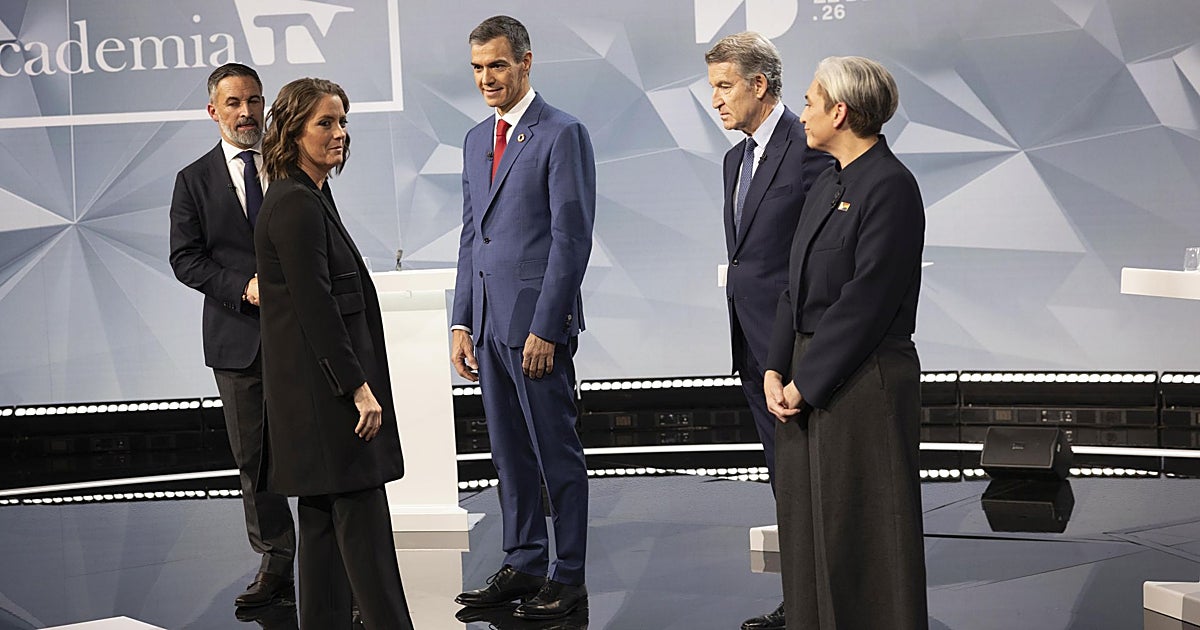
On November 26, 2026, the television screens across Spain became a battlefield for the nation's soul. The setting was a four-way political debate, a rare and volatile collision of the country's most influential figures. In one corner stood Pedro Sánchez, the leader of the PSOE; opposite him, Alberto Núñez Feijóo of the PP; and Santiago Abascal of Vox. Completing the quartet was Ada Colau, the former Barcelona mayor and leader of the new Sumar brand, representing the Frente Amplio.
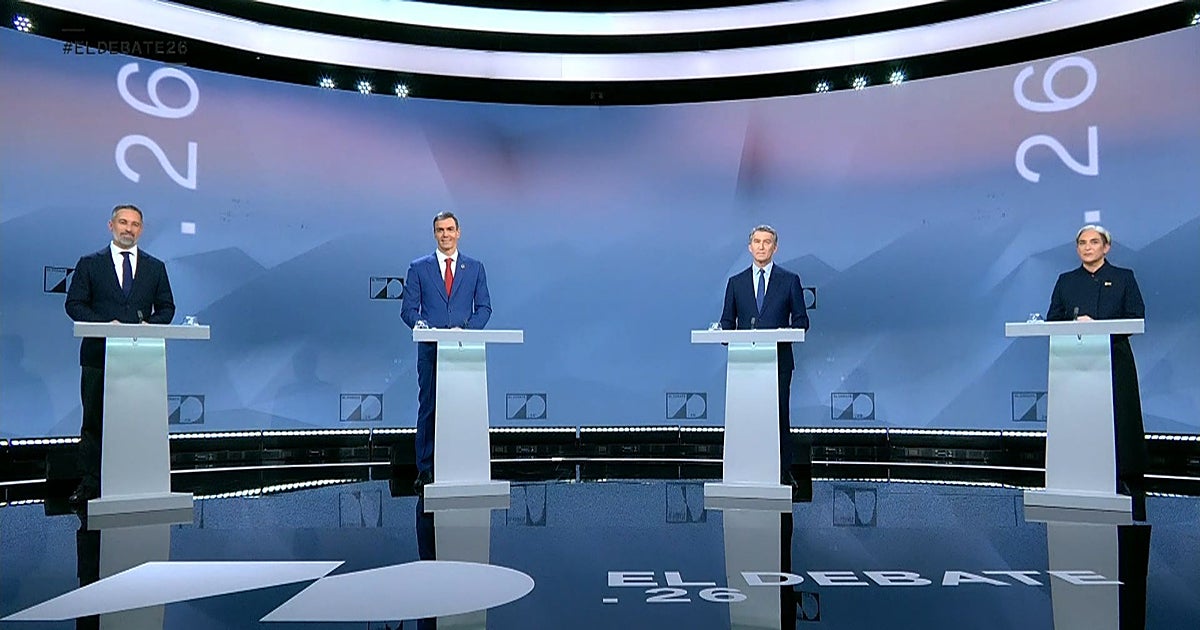
What was intended to be a structured exchange of ideas quickly devolved into a study of tactical maneuvering and deep-seated ideological divides. For the spectators, the debate was less about policy consensus and more about the desperate struggle to define the boundaries of the next government. Each leader entered the room with a specific mission: to absorb, to block, or to disrupt.
For Alberto Núñez Feijóo, the challenge was one of restraint. As the leader of the PP, he faces the mathematical reality of a fractured right wing. While the PP might aspire to reach 176 seats alone, the shadow of a potential alliance with Santiago Abascal’s Vox looms large over his every word. This creates a political paradox: Feijóo is constrained by the very partner he may need to govern. To criticize Abascal too harshly is to risk alienating a future coalition partner, yet to remain silent is to allow the far-right to dictate the terms of the conservative agenda.
Colau did not let the omission pass, turning her attention to the Vox leader.
Santiago Abascal, meanwhile, chose a path of pure aggression. He did not merely disagree with the current administration; he sought to dismantle the character of its leader. In a moment of sharp vitriol, Abascal labeled Pedro Sánchez a "vulture," declaring, "the great vulture in Spain is right to his left." The attack was part of a broader rhetorical offensive, with Abascal accusing Sánchez of driving "massive immigration" and attempting to manipulate the political landscape through what he termed "dirty play."
The debate took a somber turn when the conversation shifted to the fundamental protections of Spanish society. Ada Colau, utilizing her platform to press the most pressing social issues, focused her opening remarks on gender-based violence. It was a strategic move designed to force the candidates into a moral corner.
When prompted by Colau, Abascal refused to condemn gender violence, a refusal that immediately ignited a secondary conflict. Colau did not let the omission pass, turning her attention to the Vox leader. "The President of the Government has just been insulted by you; I would find your political style lamentable, you are only discrediting yourself," she told him. Her stance was clear and uncompromising: "Let no one who denies machista violence be able to govern."
Perhaps the most notable shift in the room was the transformation of Pedro Sánchez. Historically, Sánchez has often favored a "high-road" approach—a measured, statesmanlike demeanor that seeks to rise above the fray. However, the presence of Colau appeared to act as a catalyst, pushing him toward a more energetic and personal style of combat.
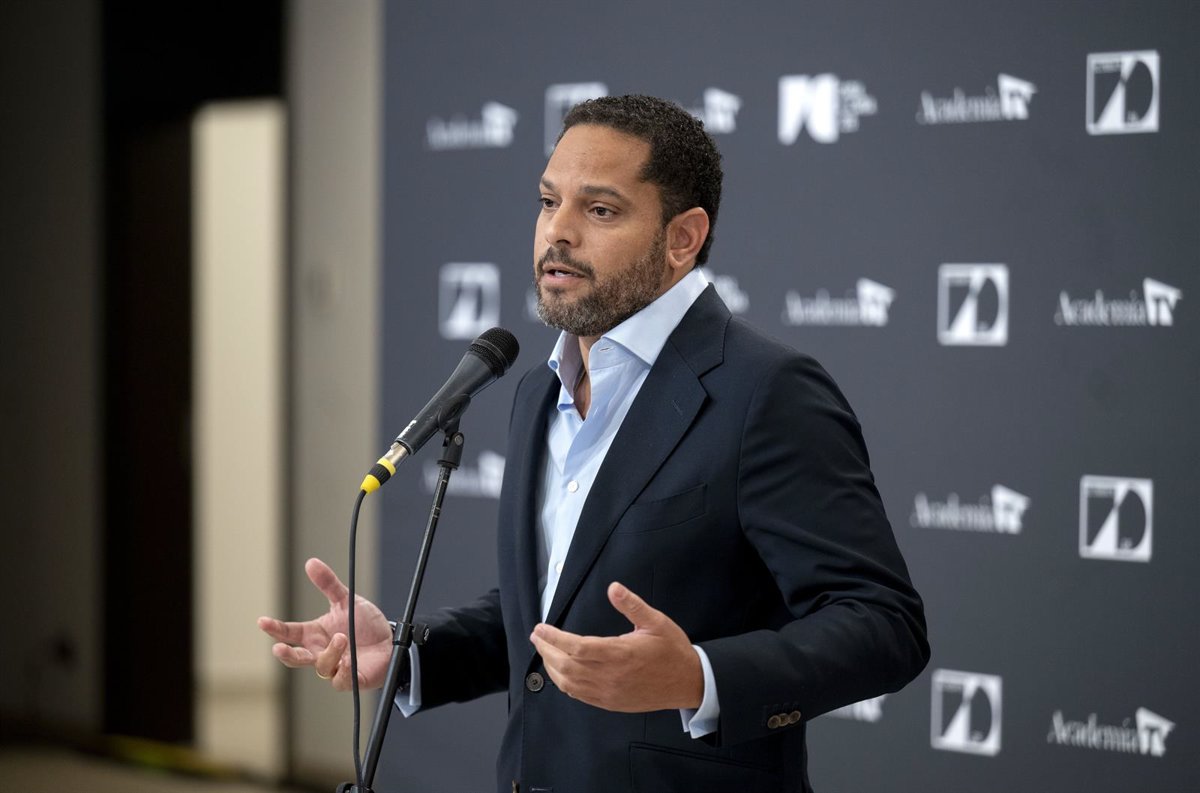
When Abascal accused him of being unable to face him directly, claiming, "You are not capable of facing me. You have to bring this lady for dirty play," Sánchez did not retreat into diplomatic platitudes. Instead, he met the aggression with a sharp, dismissive edge. "Play the offended, if you want," he retorted, signaling a departure from his previous restraint. He even took aim at Feijóo’s political calculations, quipping, "Mr. Feijóo's mathematics are like his level of English."
While the men traded insults, Ada Colau was playing a more complex game of political survival and influence. As the leader of the Frente Amplio, she faced the reality that the PSOE was attempting to absorb the progressive electorate that her movement represents. Her goal was to prevent her identity from being diluted while simultaneously positioning herself as a necessary ally for the socialists.
Colau did not just defend her space; she attempted to shape the future of the government. She argued that the Frente Amplio is an "indispensable partner" for the PSOE and called for the need to "re-edit the coalition government." Her vision was one of a more ambitious partnership—one that would push the current administration to implement more decisive measures in the realms of housing and the economy. It was a delicate balancing act: she had to demand more from a government that already included her own ministers, all while maintaining a united front against the rising tide of the right.
As the debate concluded, the fundamental divisions of the Spanish electorate remained as stark as ever. The exchange over housing policy and immigration served as a microcosm of the larger struggle: a fight between a progressive coalition seeking to expand its social mandate and a right-wing bloc struggling to find a unified voice.
The debate left the political landscape much as it found it—fragmented and volatile. The tactical maneuvering of each leader has set the stage for the coming elections, leaving voters to decide whether they want the re-edited coalition proposed by Colau, the mathematical gamble of Feijóo, or the aggressive disruption promised by Abascal.