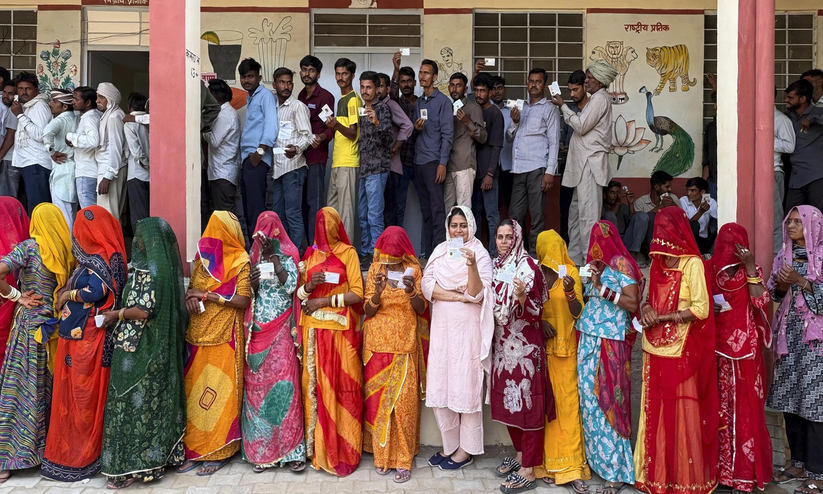
At 8 AM on November 20, a quiet tension began to settle over the administrative centers of Rajasthan. This was not the start of a campaign, but the beginning of the reckoning. After weeks of door-to-door canvassing and local maneuvering, the first phase of vote counting for the state's local body elections commenced. In the rural landscapes of 37 districts, the atmosphere was thick with anticipation as officials prepared to translate paper ballots into political reality.

Local body elections, particularly at the panchayat level, serve as the foundational layer of Indian democracy. They are the contests that decide the governance of villages and small towns, where the stakes are deeply personal and the impact on daily life is immediate. For the political heavyweights of the state, these results are more than just local victories; they are a litmus test for their influence over the rural electorate.
To understand the scale of this democratic exercise, one must look at the sheer geography of the contest. The elections were not a singular event but a staggered, multi-phase marathon that unfolded between October 22 and November 14. The process spanned 41 districts and reached into 9,648 individual wards, touching nearly every corner of the state's diverse terrain.
In this arena, the BJP’s early advantage appears even more pronounced.
This massive undertaking, conducted in four distinct phases, ensured that the logistical weight of the election was distributed over time. However, as the counting began on November 20, the focus narrowed from the vastness of the 41 districts to the specific results emerging from the 37 districts currently undergoing the tally.

SHOCKING 🚨 Rajasthan Zila Panchayat Trends (57) BJP : 23 CONG : 19 OTH : 1 Panchayat Samithi (419) BJP : 88 CONG : 144 OTH : 45 Jaipur Panchayat Samithi (386) BJP : 39 CONG : 103 OTH : 37
As the numbers began to trickle in, a pattern emerged that suggested a shift in the rural political wind. The Bharatiya Janata Party (BJP) has established an early lead, particularly in the competitive arena of the panchayat samiti—the intermediate tier of local governance.
In the initial data, the BJP holds the lead in 20 panchayat samiti seats. This performance stands in contrast to the Indian National Congress, which currently leads in 13 of those same seats.
While the panchayat samiti seats provide a granular view of local influence, the zilla parishad seats offer a broader look at district-level leadership. The zilla parishad acts as the highest tier of the three-tier पंचायती राज (Panchayati Raj) system, overseeing the development of the entire district.
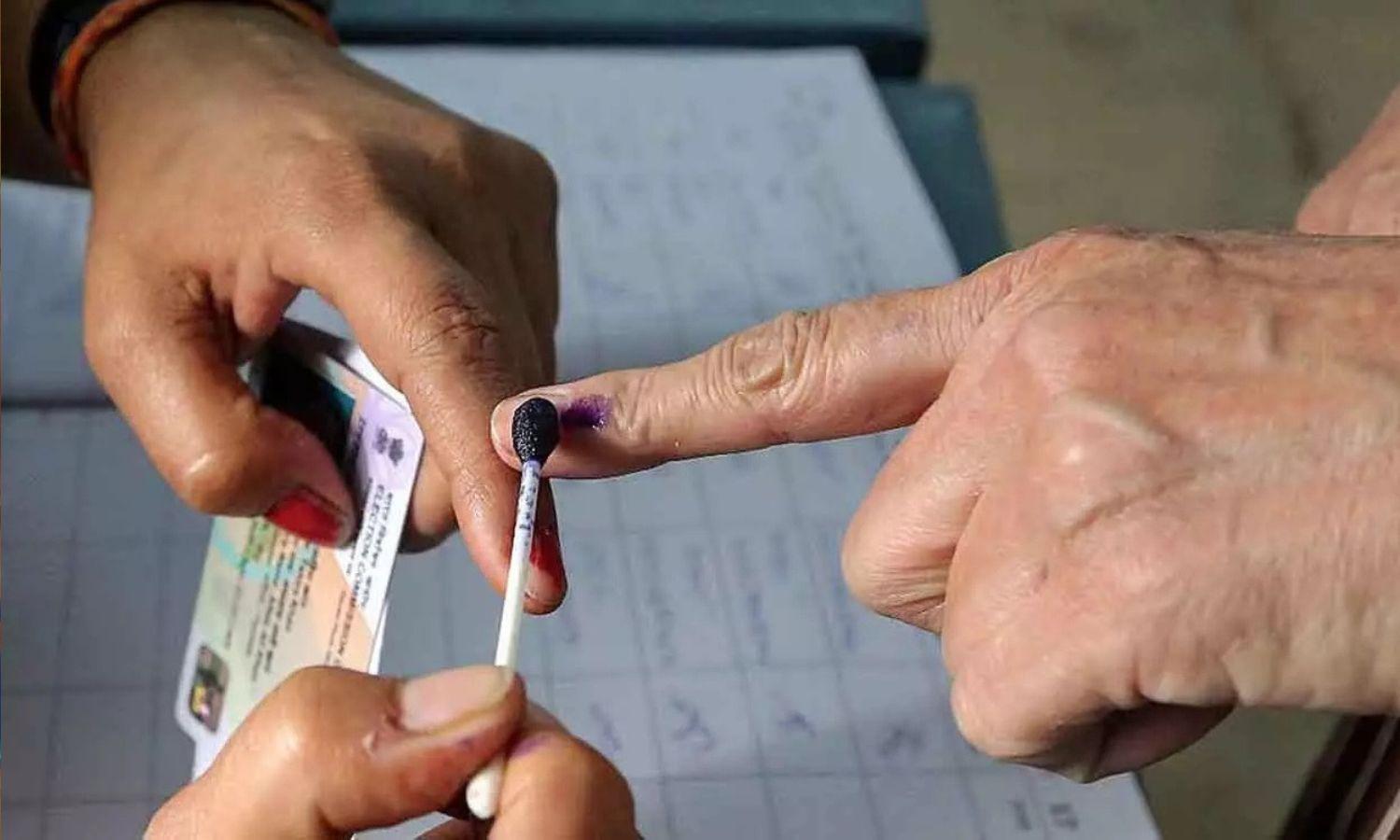
In this arena, the BJP’s early advantage appears even more pronounced. Out of the seats currently being tallied, the BJP holds the lead in three zilla parishad seats, while the Indian National Congress leads in only one.

Rajasthan Panchayat Chunv Result Live: BJP-कांग्रेस में कांटे की टक्कर! | BJP | Congress https://t.co/LZTrm0AkDP
Beyond the party symbols and the official tallies, these elections carry a deeply personal dimension. The ballot papers in many of these 9,648 wards feature names that are familiar to the local populace, not just as representatives, but as members of political lineages. Several family members of prominent politicians are among those contesting these elections.
In the context of Rajasthan's political culture, these contests often become a battle of local prestige and family legacy. When a prominent politician's relative runs for a local seat, the election transcends mere policy debate, becoming a test of the family's enduring connection to the soil and the community they seek to serve.
Despite the momentum building in the 37 districts where counting is underway, the political map of Rajasthan remains incomplete. The current results represent only a portion of the total electoral landscape. The process is far from over, as the administrative machinery continues to work through the massive volume of votes cast across the state.
There are still significant pockets of the state where the final outcome remains a mystery. For instance, in districts such as Kota and Baran, the wait for clarity will be longer. The counting for these areas is not scheduled to take place until December 17, leaving a significant gap in the state's political picture.

BREAKING: Congress Forms Board in Pali Panchayat Samiti 🔥 Rajasthan | Pali Pali Panchayat Samiti — Final Results (17/17 Wards) INC India — 12 BJP — 4 Independents — 1 Congress secures majority and forms the board. https://t.co/01M4Uzru38
As it stands, the BJP holds the upper hand in the initial phase of the count, carving out a lead in both the panchayat samiti and zilla parishad seats. The Congress remains in the fray, fighting to reclaim ground in the rural districts.
For now, the state remains in a state of suspended animation. The early leads provide a glimpse into the current political mood, but with several districts still waiting for their turn in the counting rooms, the final shape of Rajasthan's local governance will not be fully realized until the final tallies are certified in the coming weeks.