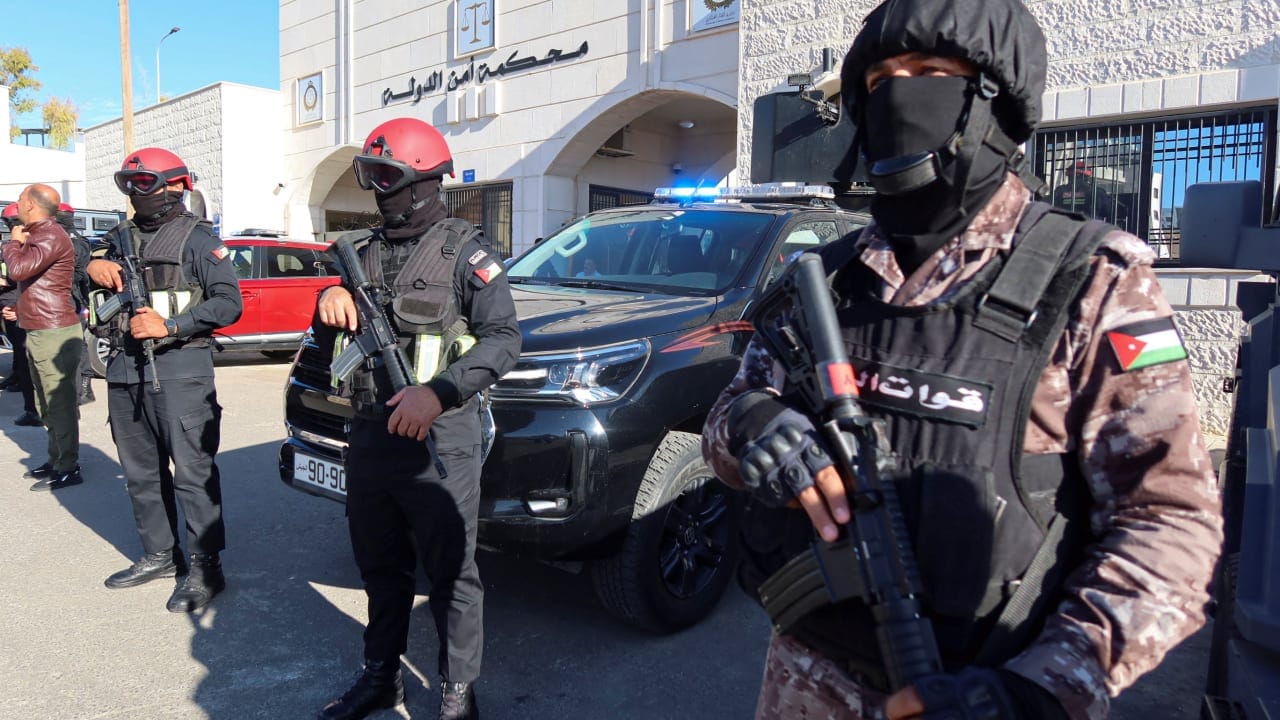
In the quiet village of Hamoud, nestled 120 kilometers from Jordan's capital Amman, October 23 began as a day of mourning. Families gathered at St. George's Greek Orthodox Church for a funeral, a solemn occasion where community and faith typically provided comfort. "The attack took place on October 23 at St George's Greek Orthodox Church," authorities would later confirm, marking the beginning of a day that would transform this peaceful gathering into a scene of terror.

When the shooting finally stopped, nine people lay dead, and 40 others bore wounds—some life-changing—that would forever alter the trajectory of their lives and their community.
As Jordan's security forces descended upon Karak Governorate, questions swirled about who could commit such atrocity and why. The attackers weren't acting alone; evidence suggested a conspiracy that involved financing, training, and ideological indoctrination.
The three men were found guilty on multiple counts, including terrorism, illegal weapons possession, and financing terrorist activities.
Jordan's security apparatus, already battle-tested in the region's turbulent landscape, faced the daunting task of bringing perpetrators to justice while preventing further attacks. The case became a priority for authorities determined to demonstrate that no act of terrorism would go unpunished, regardless of how long it took to track down those responsible.
The legal process that finally brought the perpetrators to justice unfolded slowly, reflecting both the complexity of the case and Jordan's meticulous approach to terrorism trials. By 2023, investigators had gathered sufficient evidence to charge three individuals with the attack. "Convicted of several terrorism-related offences," the indictment read, listing charges that carried the weight of Jordan's most serious laws.
The trial that followed revealed a disturbing pattern of planning and execution. The defendants weren't just accused of pulling triggers—they stood charged with promoting the ideology of a terrorist group, conspiring to carry out armed attacks, and possessing weapons with the specific intent to terrorize civilians. Each charge painted a picture of individuals who had deliberately chosen violence as their method of political or religious expression.
The three men were found guilty on multiple counts, including terrorism, illegal weapons possession, and financing terrorist activities. The most consequential decision, however, was the imposition of the death penalty.
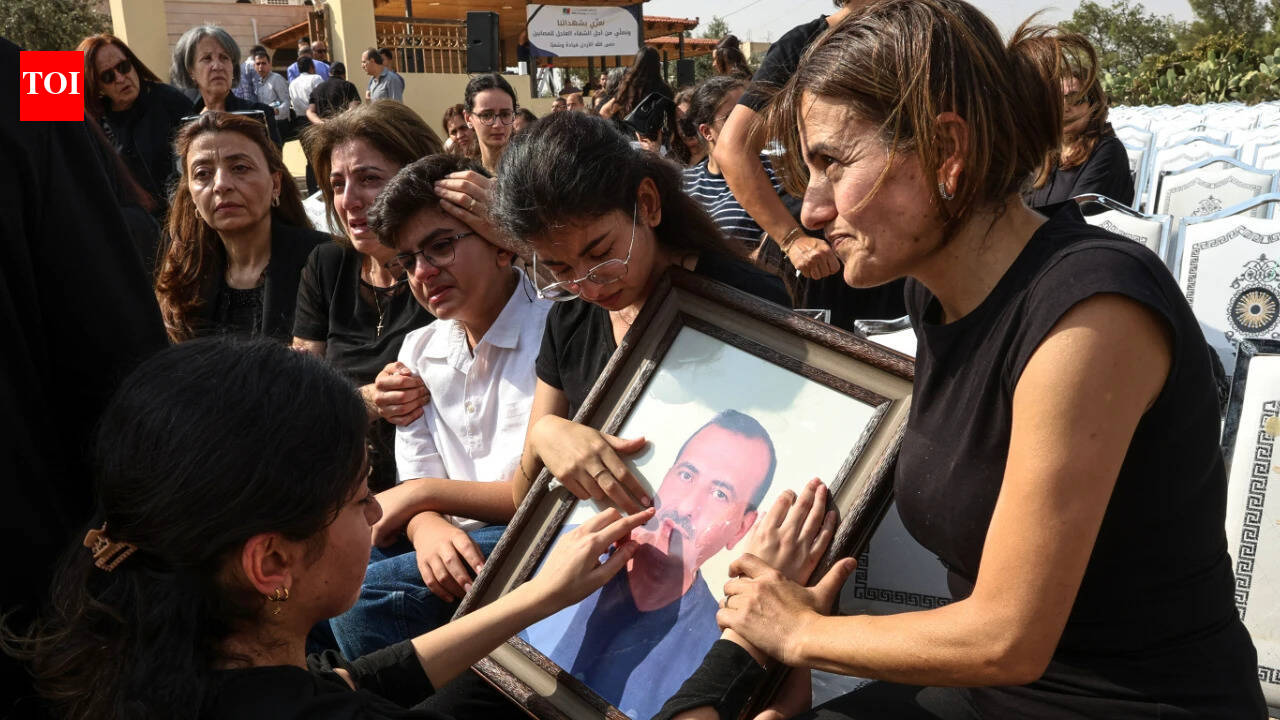
"Jordan sentenced three men to death," the court announced, bringing a measure of closure to families who had waited a decade for accountability. The sentences reflected Jordan's uncompromising stance on terrorism, particularly attacks that target civilians and religious institutions. The courtroom fell silent as the judge delivered the finality of the decision, a moment that marked the end of one chapter and the beginning of another.
The verdict, while decisive, is not necessarily the final word in this case. Jordan's legal system provides for an automatic appeal process through the Court of Cassation, a safeguard that ensures all legal avenues have been exhausted before any sentence is carried out. For the families of the victims, this means waiting continues, though with the hope that justice will ultimately be served.
The sentencing also places Jordan at the intersection of two critical conversations: the effectiveness of the death penalty as a deterrent to terrorism, and the balance between security and human rights in counterterrorism efforts. For a country that has faced persistent security threats, this case represents both a victory and a challenge—one that will continue to shape Jordan's approach to justice for years to come.