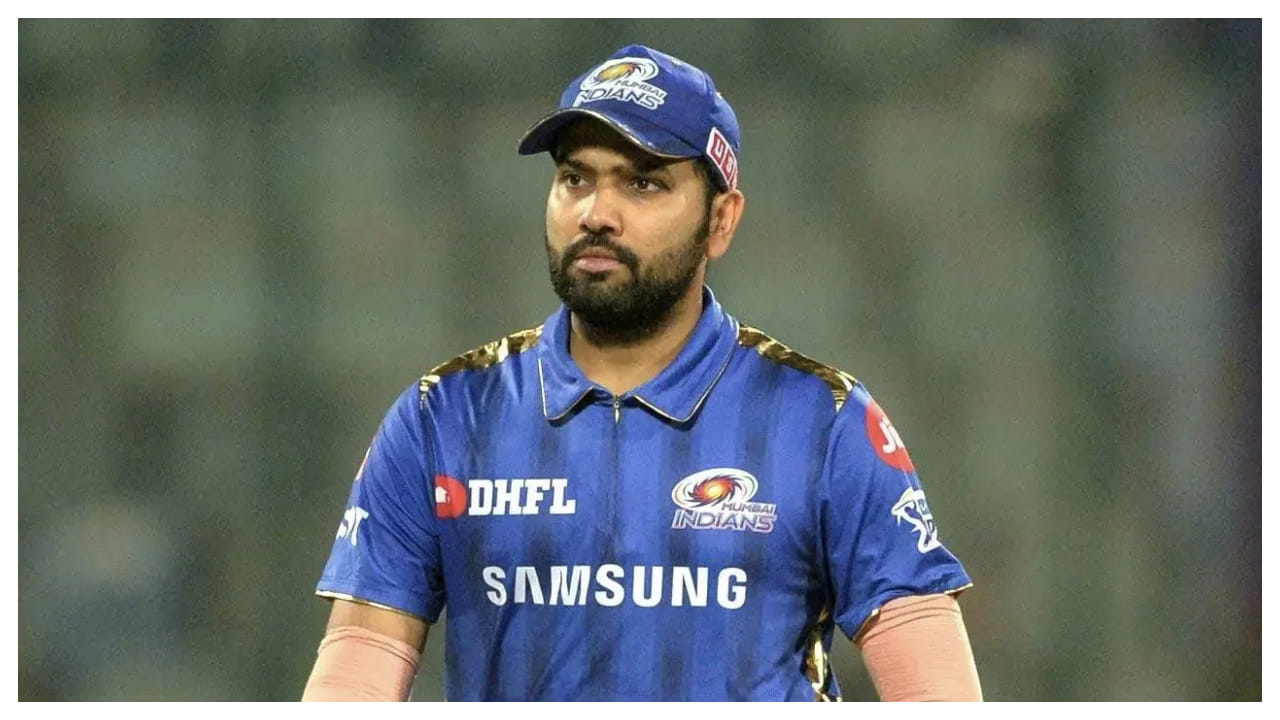
For a player who has spent a lifetime at the center of the storm, the prospect of stepping back into the eye of it was not an easy one. Rohit Sharma, now 38 years old, recently pulled back the curtain on a decision that has reshaped the landscape of the Mumbai Indians. It was a decision born not of immediate ambition, but of profound hesitation. For the man who has long been synonymous with the franchise's success, the idea of returning to the helm for the 2027 IPL season was a question that required more than a simple yes or no.
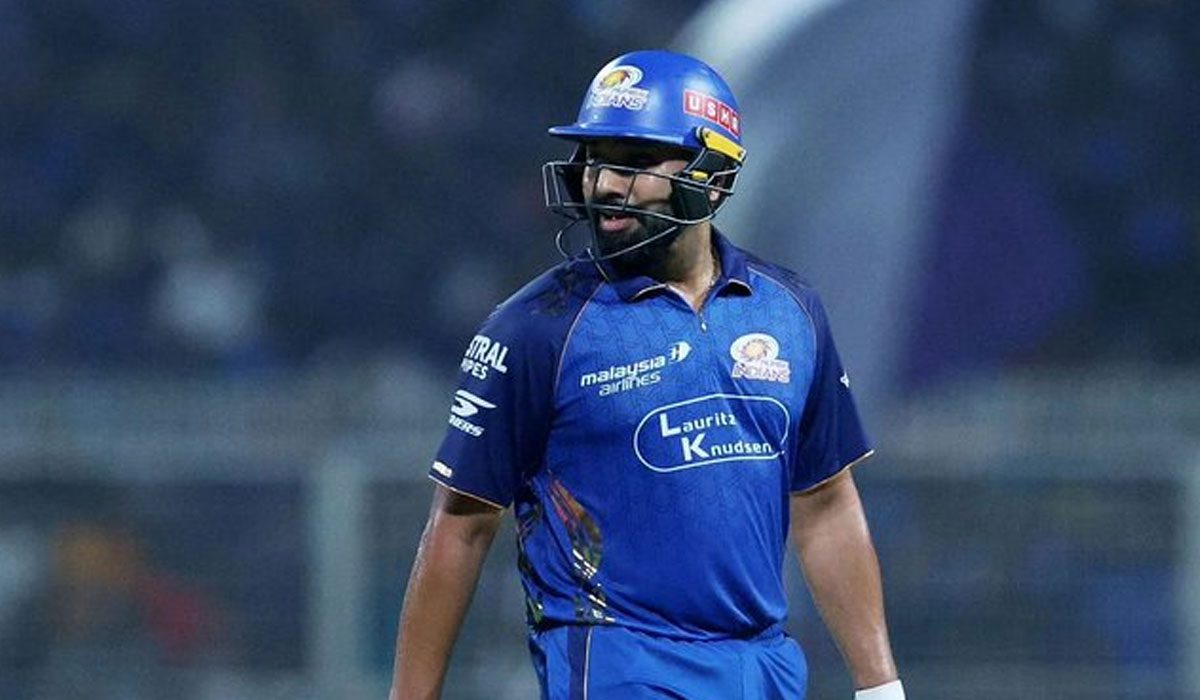
"My honest thought initially was I'm not prepared for the role right now," Sharma admitted, revealing the internal conflict that preceded his return. "I had to go back and think about it. Because a lot had happened. I don't know if I was in that frame of mind to do it or not."
To understand the hesitation, one must look at the recent history of the Mumbai Indians. The franchise, a powerhouse that has secured five IPL championships, has recently found itself adrift. The glory of those five titles feels a world away from the reality of the last three seasons—a period defined by disappointing performances that left the squad searching for answers.
The path back to leadership was not paved with a sudden burst of enthusiasm, but through deliberate dialogue.
This wasn't just a matter of statistics or lost matches; it was a matter of morale. The frustration was palpable within the dressing room, a collective sense that the team had lost its way. "As soon as we finished the IPL, we had a very disappointing season, and not just me, but many other players were quite frustrated with how we were playing," Sharma noted, describing a period of stagnation that affected the entire roster.
When a team of this magnitude falters, the vacuum left behind is more than just tactical; it is psychological. The Mumbai Indians were a team in need of a clear direction, a way to bridge the gap between their championship pedigree and their recent struggles. The frustration shared by the players suggested that the existing structure was no longer providing the stability required to compete at the highest level.
Sharma realized that the team was at a crossroads. The disappointment of those three seasons had created a sense of aimlessness. It was no longer enough to simply play the games; the franchise needed a vision, a sense of purpose that could reignite the standard of excellence they had once set. The realization was stark: the team needed a leader who could navigate them out of this slump.
The path back to leadership was not paved with a sudden burst of enthusiasm, but through deliberate dialogue. Following the period of disappointment, discussions took place that would ultimately determine the future of the captaincy. Central to these talks was Akash Ambani, the owner of the Mumbai Indians, whose support became a pivotal factor in Sharma's decision-making process.
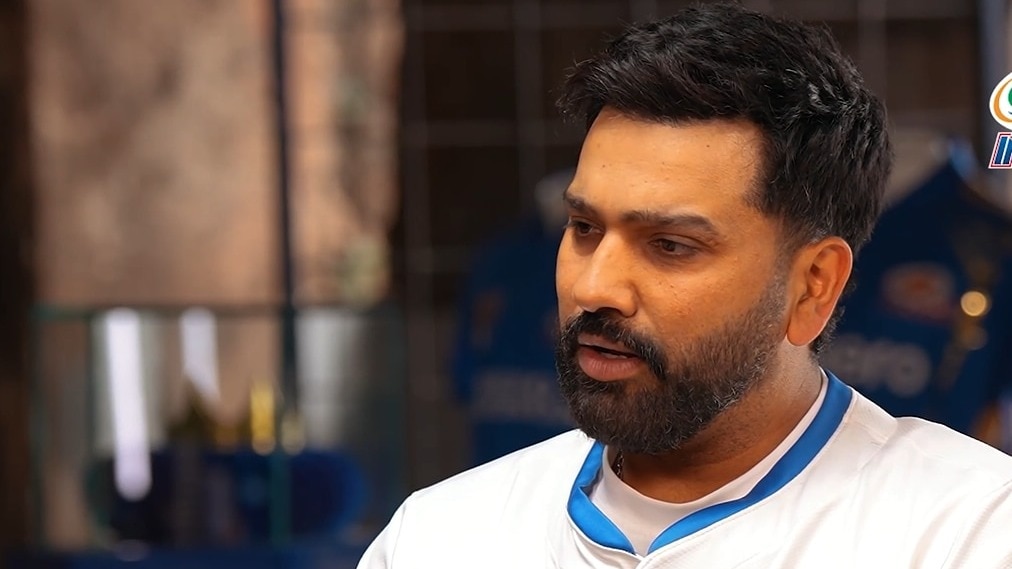
It was through these discussions that the challenge was framed not as a personal burden, but as a necessity for the franchise. The weight of the five-time champions' legacy was heavy, but the responsibility to steer them toward a new era was heavier. After weighing his own mental readiness against the needs of the club, Sharma moved from a position of reluctance to one of acceptance.
This shift in leadership comes amidst a broader period of movement for the franchise. The roster has seen significant changes as the team attempts to rebuild its identity. One such move occurred on November 28, 2026, when Hardik Pandya was traded to the Punjab Kings, marking a definitive end to one chapter and the beginning of another as the team seeks to find its footing once more.
As the 2027 season approaches, the focus remains on whether this return to familiar leadership can arrest the decline. The mission is clear: to transform the frustration of the recent past into the direction required for the future. For Rohit Sharma, the journey back to the captaincy was a journey of reflection, moving from the uncertainty of his own frame of mind to the realization that the Mumbai Indians needed him to lead the way.