
On November 17, 2026, the volatile tension simmering in the Persian Gulf erupted into direct kinetic action. The United States launched an attack on Qeshm Island, a strategic landmass located in southern Iran near the critical maritime choke point known as the Strait of Hormuz. The strike, occurring in a region that serves as a primary artery for global energy transit, immediately signaled a dangerous escalation in the long-standing friction between Washington and Tehran.
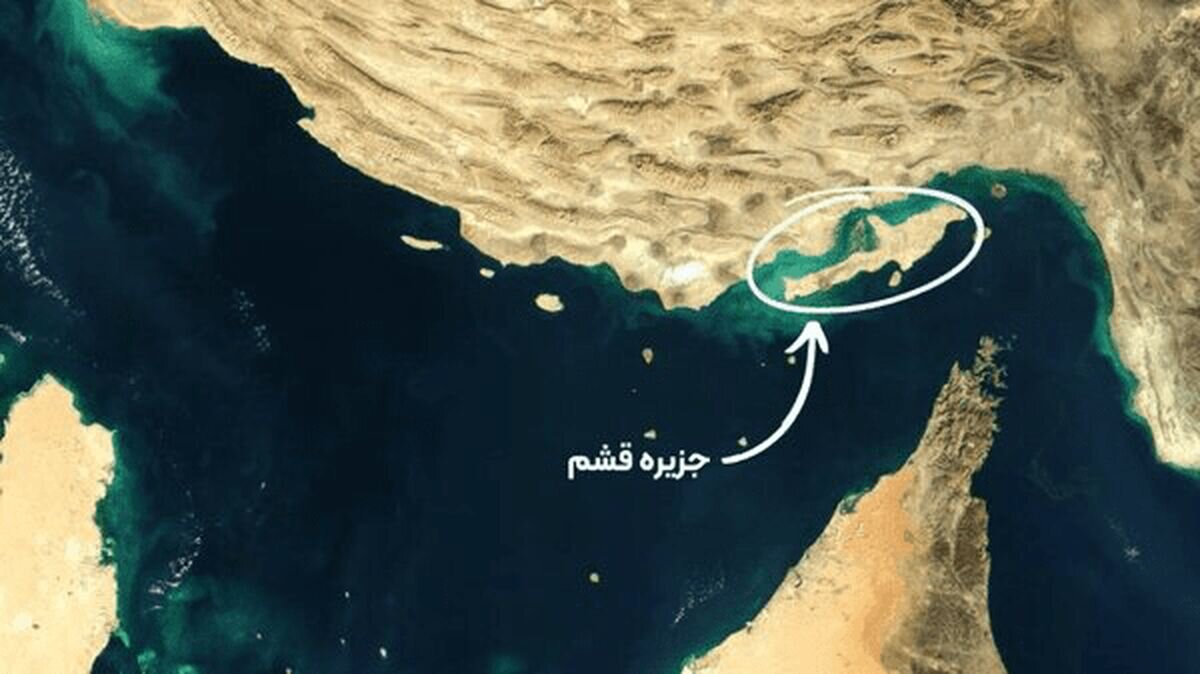
In the immediate aftermath of the strikes, local officials worked to assess the physical impact on the island's population and economy. Ahmad Nafisi, the deputy governor of Iran's Hormozgan province, provided an initial assessment of the damage. While the strikes targeted specific locations on the island, Nafisi maintained that the operation was precise enough to avoid the civilian heart of the region. According to Nafisi, the attack did not cause damage to residential or commercial areas, nor did it impact the island's essential infrastructure.
Despite the lack of reported damage to the built environment, the atmosphere on the ground remained heavy with tension. Administrative bodies and emergency services were placed on full alert, moving into a state of heightened readiness to manage any potential secondary effects of the military action. For the residents of Qeshm Island, the suddenness of the strike transformed a routine day into a moment of profound uncertainty.
While the physical damage on Qeshm Island appeared contained, the geopolitical damage was expanding rapidly.
While the physical damage on Qeshm Island appeared contained, the geopolitical damage was expanding rapidly. The military action coincided with a severe diplomatic ultimatum issued by the Iranian government. The stakes of this confrontation extend far beyond the shores of a single island; they reach into the very mechanics of global trade.
Mohsen Rezaei, the Secretary of Iran's Supreme National Security Council, issued a stark warning that directly links the military escalation to the movement of ships through one of the world's most important waterways. The Strait of Hormuz, a narrow passage through which a massive volume of the world's oil flows, has become the centerpiece of this standoff. Rezaei made the Iranian position clear, stating that the Strait of Hormuz will not be opened until Tehran's conditions are met.
As of now, the situation remains a precarious balance of military force and economic brinkmanship. The US strikes have met a firm wall of Iranian resistance, not just through local defense, but through the threat of closing a maritime corridor that the international community relies upon. With emergency services on high alert and the threat of a closed Strait hanging over the global economy, the events of November 17 have set the stage for a confrontation where the next move could redefine the stability of the entire region.