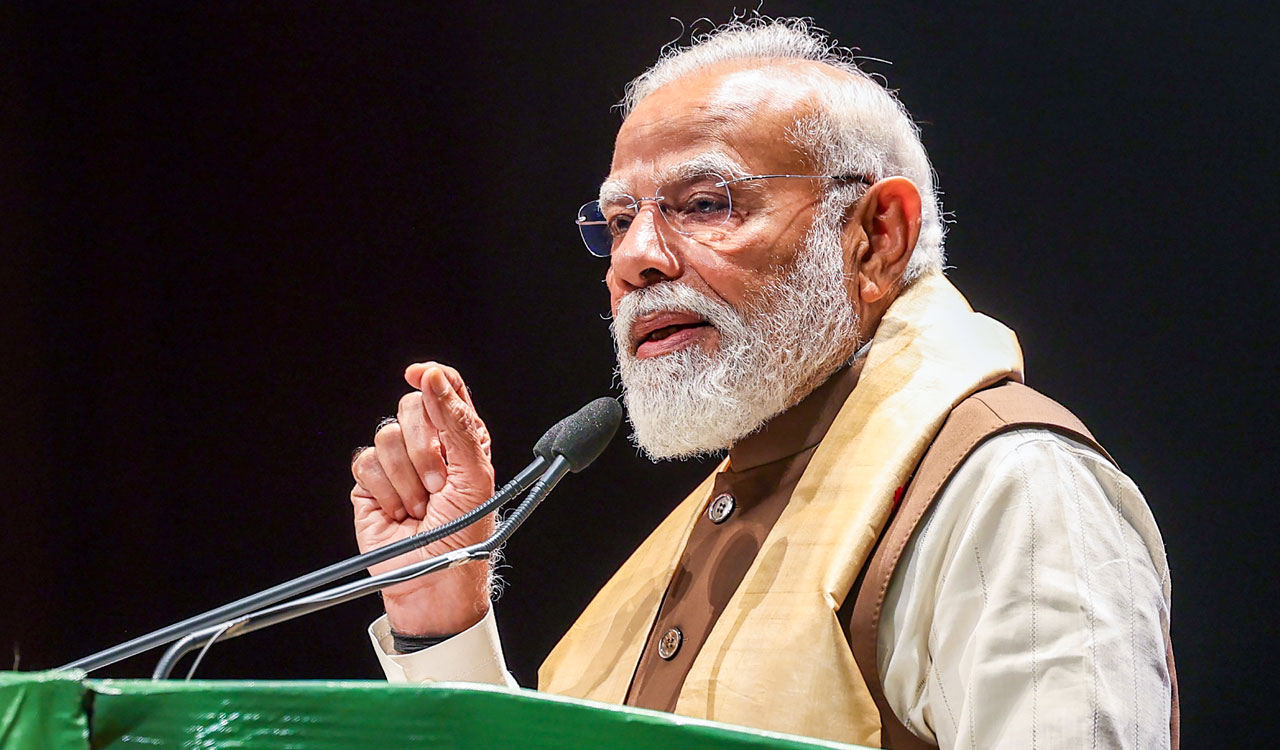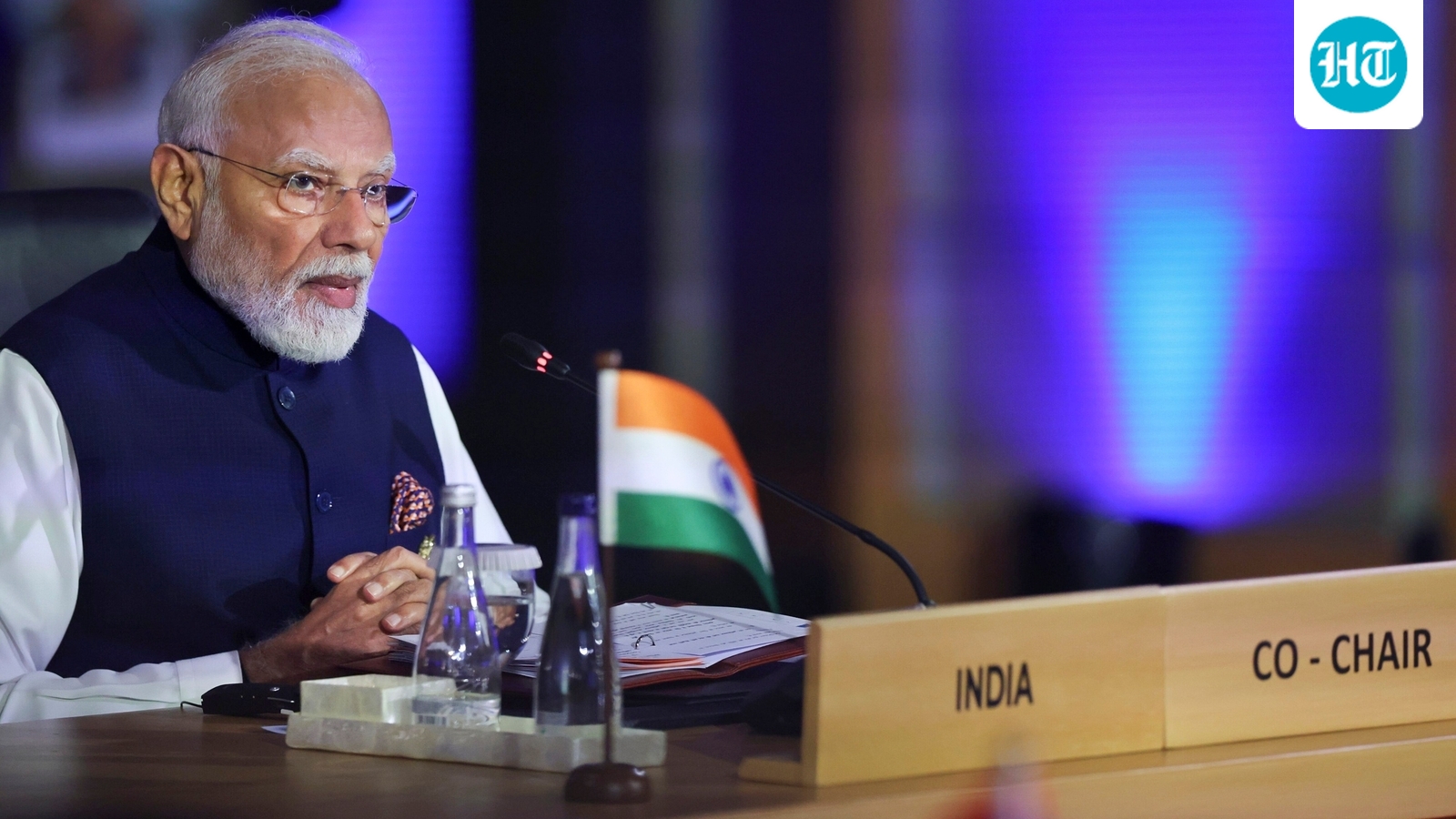
The air in Manila was thick with the weight of global uncertainty, but for Prime Minister Narendra Modi, the occasion offered a moment to pause and reorient. Standing at the helm of the 23rd ASEAN-India Summit, held in the Philippines, Modi looked out at the representatives of the Association of Southeast Asian Nations, a grouping that has functioned since its founding in 1967. He did not begin with trade metrics or defense protocols. Instead, he started with a sentiment of shared exhaustion. "In the past few years, the world has faced a series of crises," Modi observed, a remark that rang true for observers watching the geopolitical landscape from New Delhi to Jakarta. "What the world needs most today is peace, stability and predictability," he declared. It was a statement of intent that signaled a desire for order in an era defined by volatility, a theme that would underpin the summit’s discussions.
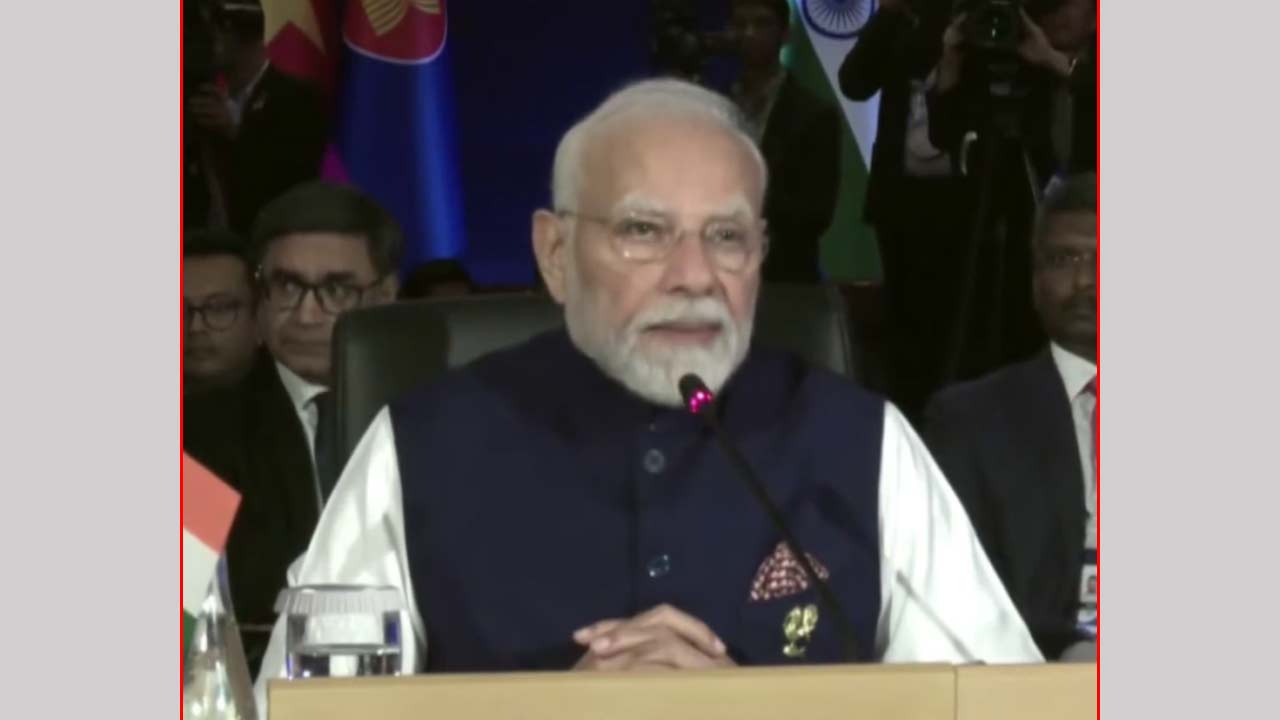
To understand why a meeting in Manila carries such outsized weight, one must look at the sheer scale of the populations involved. India and the 11 member states of ASEAN together represent nearly a quarter of the world's population. It is a demographic mass that cannot be ignored on the stage of international relations. Modi emphasized that the relationship between these two economic and cultural powerhouses has strengthened significantly over the past 12 years. His tenure as Prime Minister began in 2014, a period he now frames as the era where India's ties with Southeast Asia deepened from diplomatic courtesies to structural interdependence. The summit’s official theme, "Navigating Our Future Together," was not merely a slogan for Modi; it served as a roadmap for how two vast regions might avoid the pitfalls of zero-sum games.
Central to this navigation is India's "Act East Policy," a strategic doctrine that has evolved well beyond traditional trade. Modi highlighted how this policy has expanded cooperation into the frontiers of digital technology, defense, and space. For a region that has long been a theater for great-power competition, the integration of defense and space sectors signals a desire for deeper, more complex interoperability. It suggests a shift from viewing each other primarily as markets to viewing each other as partners in shaping the technological and security architecture of the Indo-Pacific. This expansion is the logical conclusion of the "mutually intertwined" development Modi noted, where the growth of one region increasingly depends on the progress of the other.
This is not just an aid budget line; it is a long-term investment in human capital.
However, grand strategy requires the connective tissue of human interaction, and Modi took stock of the tangible evidence of that connection. Since 2014, the two sides have undertaken over 100 people-to-people programs. These are the soft-power bridges that allow cultures to blend, creating a reservoir of goodwill that can withstand political turbulence. Complementing these cultural exchanges are 250 quick impact projects, initiatives designed to yield visible results on the ground. Perhaps most significantly, more than 10,000 scholarships have been provided specifically for skill development. This is not just an aid budget line; it is a long-term investment in human capital. By training the next generation of professionals in the region, India is planting the seeds of a future workforce that is fluent in both South Asian and Southeast Asian professional ecosystems.
Looking ahead, Modi pointed to shared long-term visions that align the trajectories of the two entities. The ASEAN Community Vision 2045 sets a deadline for the bloc to become a fully integrated community. Simultaneously, India has its own target of becoming a developed nation by 2047. While these dates differ by a couple of years, the ambitions are parallel. Both involve industrialization, improved infrastructure, and higher living standards. By acknowledging these timelines, Modi suggested that the two regions are not just partners, but co-travelers on a similar road to modernity.
Yet the path is not without friction. The most critical instruction Modi offered to his counterparts was a philosophical one: to prioritize cooperation over competition. "Our future must be shaped by ‘cooperation, not competition’," he urged. In a region where resource scarcity and rising geopolitical tensions often tempt leaders to view neighbors as rivals, this stance is a bold assertion. It implies that the economic and security gains from working together are far greater than the short-term advantages of outbidding one another. It is a call to treat the Indo-Pacific not as a chessboard, but as a shared commons.
As the summit concluded, the message from Manila was clear. The world is navigating a period of crises that demands a new kind of diplomatic resilience. By focusing on stability, predictability, and a shared commitment to long-term development, India and ASEAN are attempting to build a counter-narrative to global chaos. They are betting that by weaving their fates together through skill development, defense cooperation, and mutual economic growth, they can create a zone of relative calm. The stakes are high, and the work is just beginning, but for these two massive power centers, the choice to cooperate over compete is the defining feature of their future.