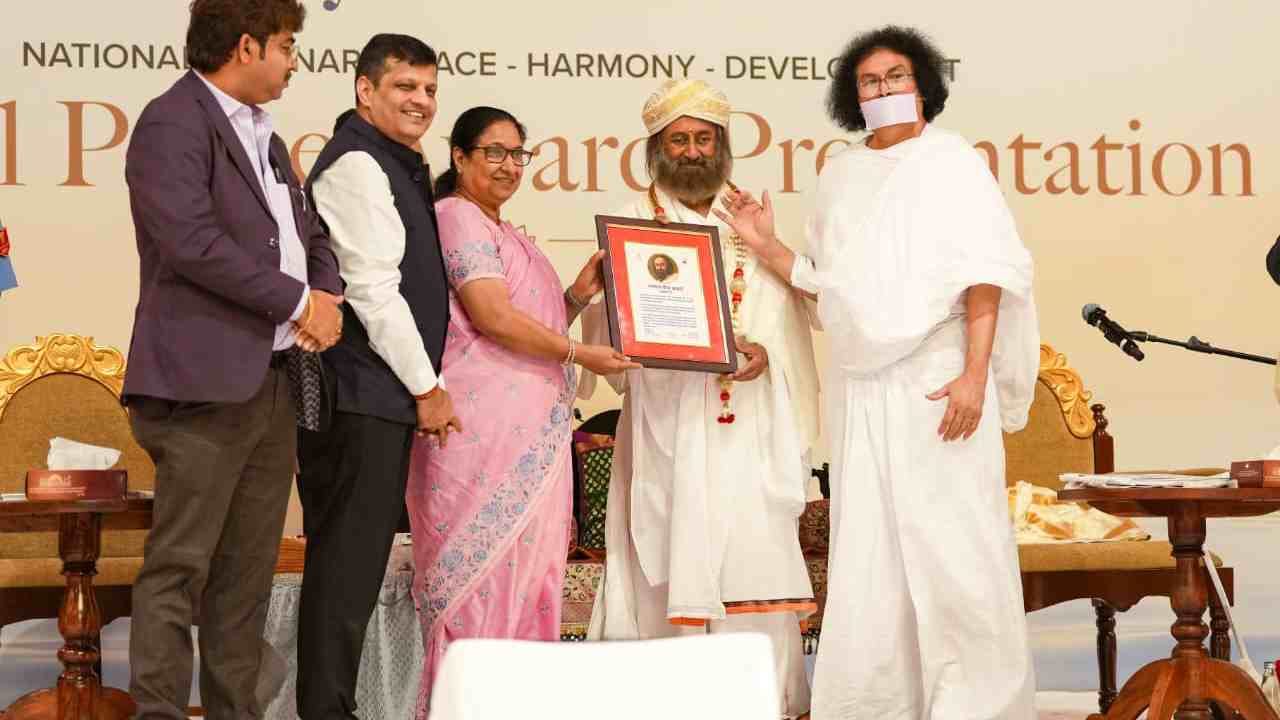
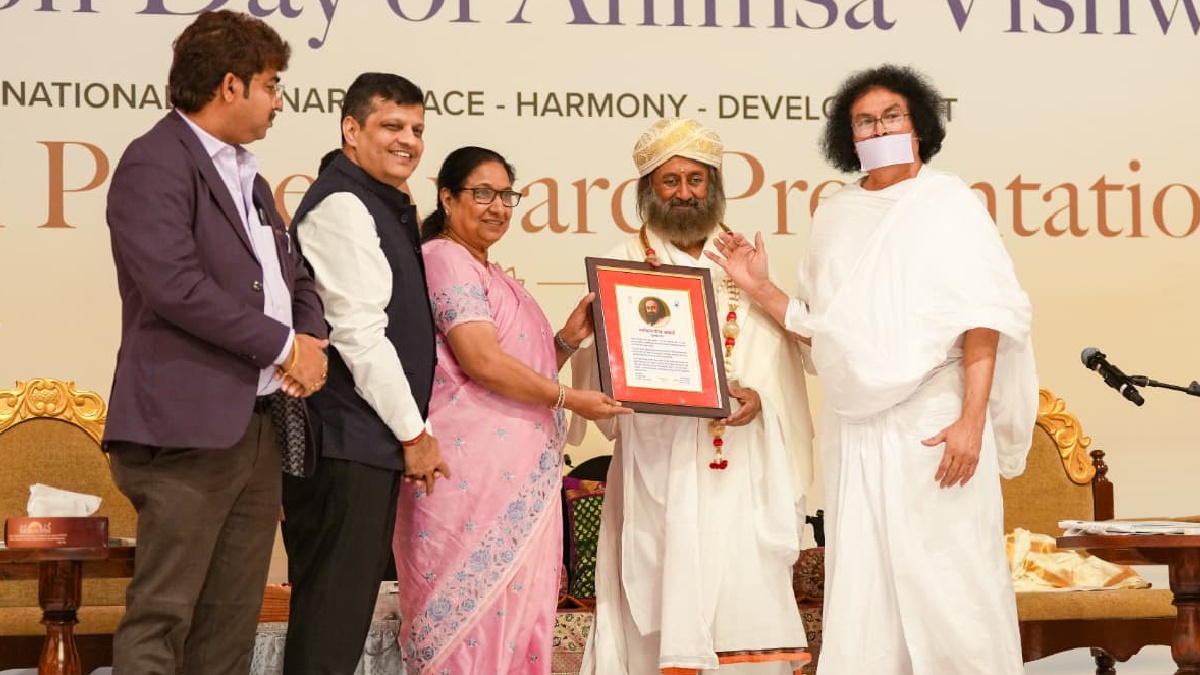
In the quiet, purposeful atmosphere of the Art of Living International Center in Bengaluru, the air on November 28, 2026, carried more than just the weight of a formal ceremony. It held the resonance of a movement. Here, Gurudev Sri Sri Ravi Shankar was presented with the Global Peace Award, a distinction that seeks to measure something notoriously difficult to quantify: the impact of a life dedicated to the quiet work of peacebuilding.
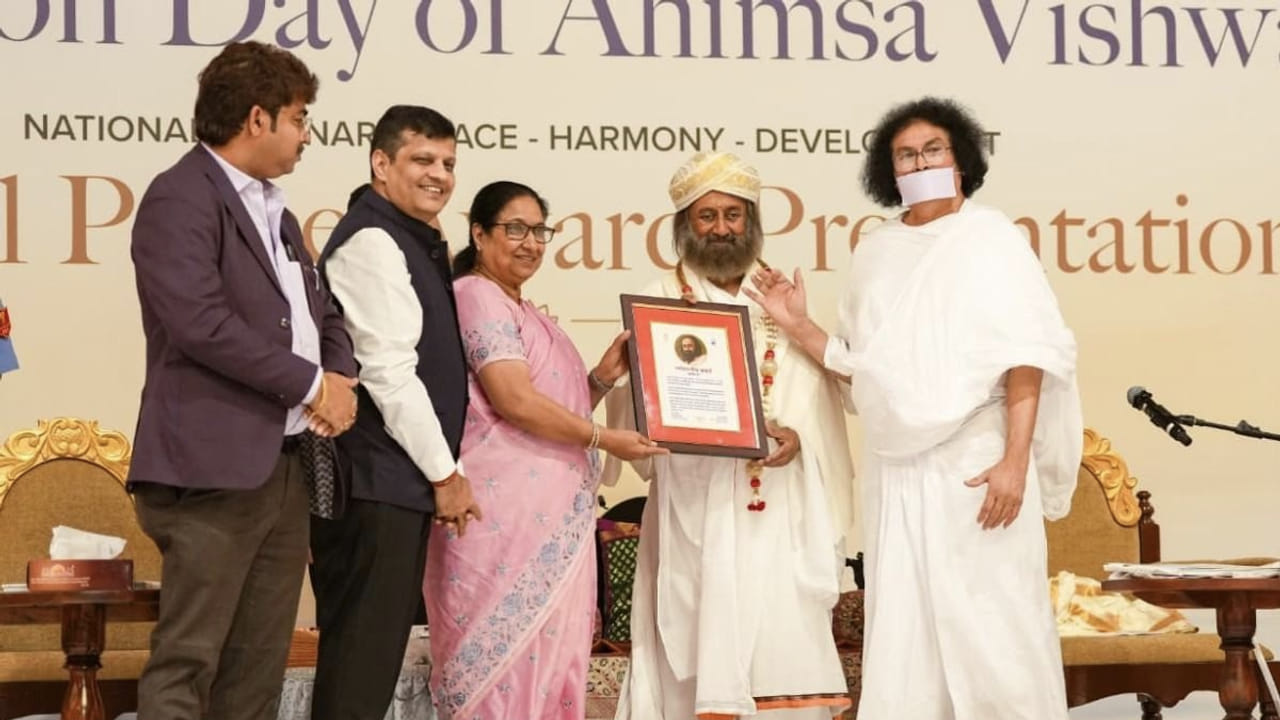
The award, bestowed by Ahimsa Vishwa Bharati, serves as a formal acknowledgment of a philosophy that prioritizes the spoken word and the meditative mind over the impulse of conflict. For Sri Sri Ravi Shankar, a spiritual leader and humanitarian, the recognition centers on a methodology of resolving disputes through dialogue and the promotion of non-violence—a practice aimed at transforming individual lives and, by extension, the collective social fabric.
The ceremony was not merely a singular moment of tribute but a milestone for the organization behind it. Ahimsa Vishwa Bharati celebrated its 20th anniversary on this same day, marking two decades of institutional commitment to the principles of non-violence. This anniversary provides a temporal backdrop to the award, suggesting that the recognition of Sri Sri Ravi Shankar is part of a longer, sustained effort to embed peaceful coexistence into the global consciousness.
While the award honored a legacy of spiritual leadership, the Bengaluru center was also vibrating with a different, yet complementary, kind of energy.
To understand the weight of this moment, one must look at the core tenets that Ahimsa Vishwa Bharati has championed throughout its twenty-year history. The organization focuses on the establishment of peace and the promotion of spiritual well-being, viewing these not as luxuries, but as the necessary foundations for a stable world. By honoring a figure who has worked to establish peace across borders, the organization reinforces its own mission of non-violent advocacy.
Central to the philosophy of the honoree is the belief that peace is not a passive state, but an active pursuit requiring internal strength. During the proceedings, Gurudeva offered a reflection on the nature of achievement and purpose, noting that for any endeavor to reach success, it requires both willpower and knowledge. This sentiment captures the essence of his approach: that spiritual transformation and global peace are not merely idealistic dreams, but practical objectives that demand disciplined intent.
This marriage of willpower and knowledge is what defines the work of a spiritual guide in the modern era. It is the transition from the abstract concept of 'peace' to the concrete application of meditation and dialogue as tools for social change. The Global Peace Award recognizes this transition—the movement from thinking about peace to actively constructing it through human connection.
While the award honored a legacy of spiritual leadership, the Bengaluru center was also vibrating with a different, yet complementary, kind of energy. Running alongside the peace ceremonies was 'Shakti Sangama 2026,' an event that signaled the intersection of spiritual grounding and economic agency. The gathering brought together more than 350 women entrepreneurs, creating a concentrated hub of female leadership and enterprise.
This was not a small assembly; it was a significant demonstration of economic momentum. Within this group, more than 100 women-led businesses were represented, showcasing a diverse array of professional ventures. The presence of these entrepreneurs at the Art of Living International Center suggests a belief that the empowerment of women and the fostering of entrepreneurship are integral components of a peaceful and thriving society.
The convergence of the Global Peace Award and Shakti Sangama 2026 highlights a holistic view of societal health. In this framework, the resolution of conflict through non-violence is not disconnected from the empowerment of individuals through business and leadership. Instead, they are seen as two sides of the same coin: one providing the stability of peace, and the other providing the vitality of progress.
As the celebrations for Ahimsa Vishwa Bharati’s 20th anniversary concluded, the event left behind a dual legacy. There was the recognition of a lifetime of service dedicated to the spiritual and humanitarian needs of a global population, and there was the visible, burgeoning strength of over 350 women shaping the economic future. In Bengaluru, the day served as a reminder that the architecture of peace is built both through the stillness of meditation and the active, driven pursuit of purpose.