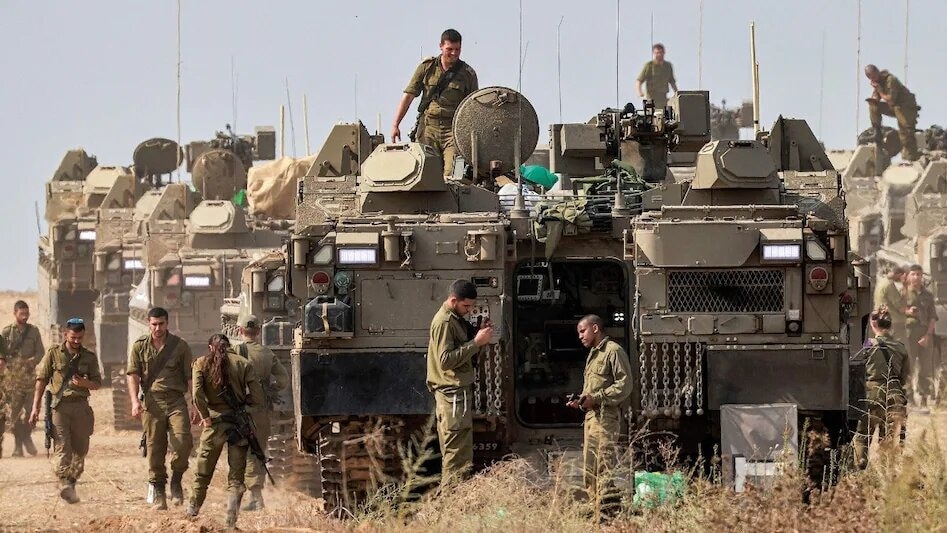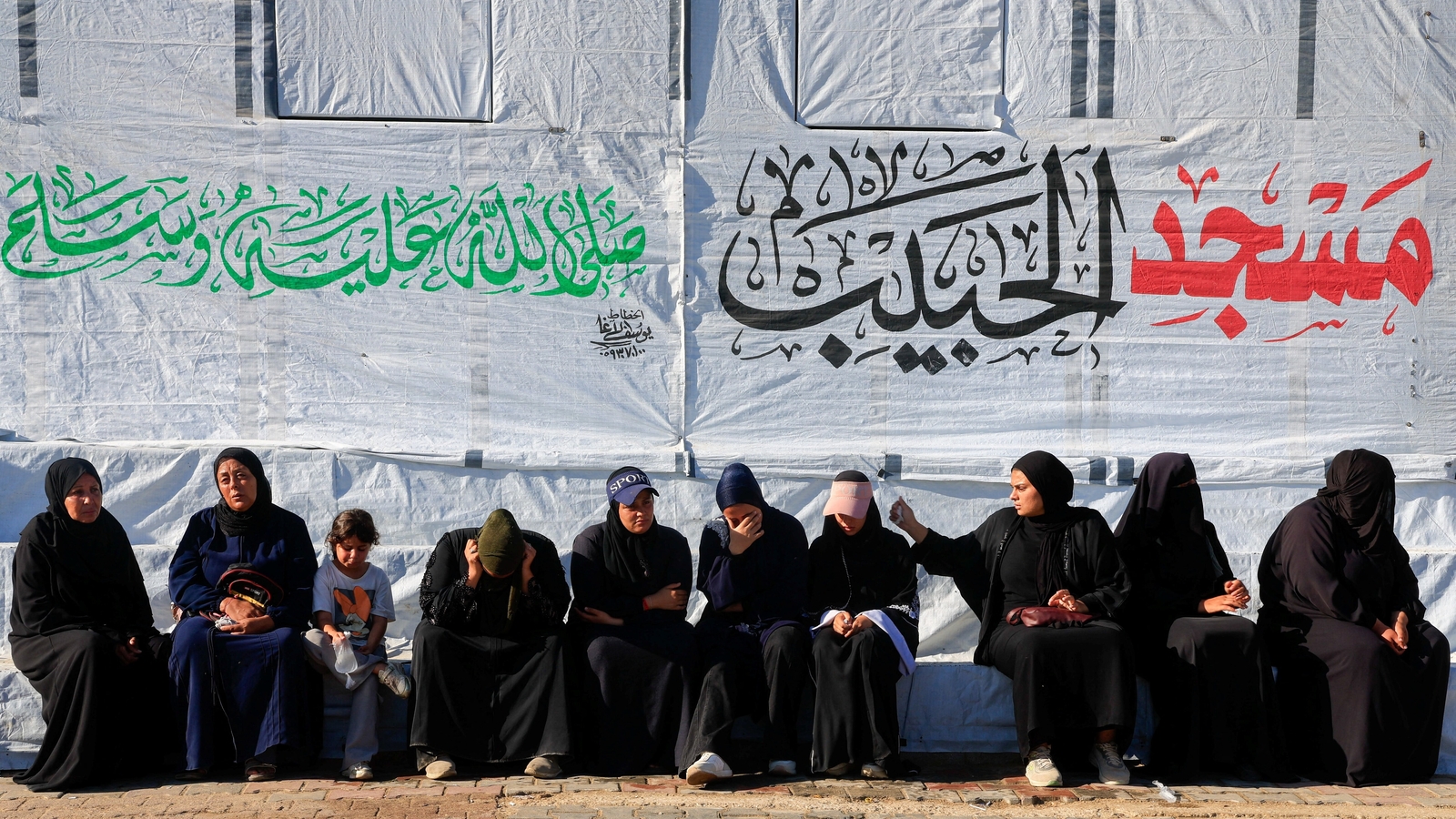
For the residents of this coastal city in the southern Gaza Strip, the gathering was a somber reminder that the fighting had not truly ended. While the world had shifted its focus toward diplomatic frameworks and peace plans, the reality on the ground remained brutal. Abu Younis, the 53-year-old commander of Hamas’ Rafah brigade, had been killed in an Israeli airstrike that same evening. His death was confirmed by the Al-Qassam Brigades, the military wing of Hamas, which described him as a martyr and a senior member of the group’s military council. This single strike underscored a persistent tension: the official end of active combat phases did not translate into a halt in targeted killings of senior leaders.

Abu Younis was not a new face in the ranks. He joined the Al-Qassam Brigades in 1991, spending decades within the organization’s structure. According to the Al-Qassam statement, he was one of the most important commanders who participated in the planning and supervision of the Al-Aqsa Flood operations, the series of attacks that triggered the broader conflict. His role extended beyond logistics; he was active in various special operations and resisted Israeli military incursions. Even during the earlier Al-Aqsa Intifada, he held a leadership position that saw him on the front lines. To his followers, he was known as 'Abu Mahmoud,' a title that reflected his standing within the group. For the Al-Qassam Brigades, his death is framed not just as a loss of a commander, but as the martyrdom of a key figure in their resistance narrative.
The specific location of the kill was the Al-Mawasi area of Khan Younis. This zone has been a frequent target in recent months. The Israeli military confirmed that they had carried out a strike alongside the Shin Bet security agency, targeting a senior member of Hamas' armed wing. The agency's statement was brief, acknowledging the operation without initially naming the victim. It was Hamas sources who confirmed to Reuters that the target was Samir Abu Younis. This pattern of confirmation—where Israel announces a successful strike and Hamas identifies the specific loss—is now a standard feature of the conflict's communications. The strike occurred in the southern region, where the Rafah brigade operates, suggesting a continued Israeli focus on dismantling Hamas’ command structure even as a truce is in place.
Additionally, five Israeli soldiers were killed during this timeframe, indicating that the violence is not unidirectional.

Israel kills Hamas commander in strike on Gaza camp, officials say https://t.co/gSobBSkXLS
This killing took place against the backdrop of a ceasefire that took effect in October 2025. The agreement was a significant shift after years of continuous warfare that began in 2023. However, the terms of the truce have been strained by ongoing incidents. Gaza’s Health Ministry reported that since the ceasefire came into force, at least 1,600 Palestinians have been killed. These numbers include 5,964 wounded in the same period. Additionally, five Israeli soldiers were killed during this timeframe, indicating that the violence is not unidirectional. The statistics reveal a reality where the truce holds in name but fractures in practice, with both sides incurring losses. The death of Abu Younis, a senior commander, is part of this broader calculus of ongoing pressure.
To understand the scale of the loss, one must look back at the start of the war in October 2023. Since then, the conflict has killed more than 74,000 Palestinians. Another 176,000 have been wounded. The physical landscape of Gaza has been altered; approximately 90 percent of the territory's infrastructure has been destroyed. Against this backdrop of total devastation, the killing of a single brigade commander is a micro-event, yet it carries significant symbolic weight. It represents the continued reach of Israeli operations into the southern zones and the ongoing ability of Hamas to sustain its military apparatus despite the attrition. For the families of the dead, the distinction between a 'violation' and a 'war' is often blurred, as the grief is identical regardless of the technical status of the conflict.

Israel Claims Strike Killed Senior Hamas Commander Behind October 7 Assault https://t.co/fz2whHWyyx
While strikes continued in Khan Younis, diplomatic efforts were proceeding on a separate track. On November 5, 2026, US President Donald Trump and Israeli Prime Minister Benjamin Netanyahu discussed implementing a Gaza peace plan. This plan includes the disarmament of Hamas and the establishment of a new Palestinian technocratic administration. The parallel between the diplomatic talks and the military strikes highlights the disconnect between the two arenas. The fact that these discussions happen while a senior commander is buried in Khan Younis suggests that the path to a permanent resolution remains long and fraught with contradictions.
In the immediate vicinity of the Abu Younis strike, another tragedy unfolded in the same Al-Mawasi area. Nasser Medical Complex reported that an Israeli drone strike killed one Palestinian and wounded two others. This incident, distinct from the command kill, underscores the indiscriminate nature of the aerial campaigns. The death of one additional person in a separate strike adds to