
In a London courtroom on Monday, November 9, 2026, British comedian and actor Russell Brand, 51, heard the verdict that would reshape his life: 10 years and 6 months in prison for sexual crimes. The Southwark Crown Court had just found Brand guilty of one count of rape and three counts of sexual assault against four different women between 2004 and 2009. As the sentence was pronounced, Brand, wearing a cross, turned to his wife Laura Gallacher and whispered, "I love you," before being led away to begin serving his time.
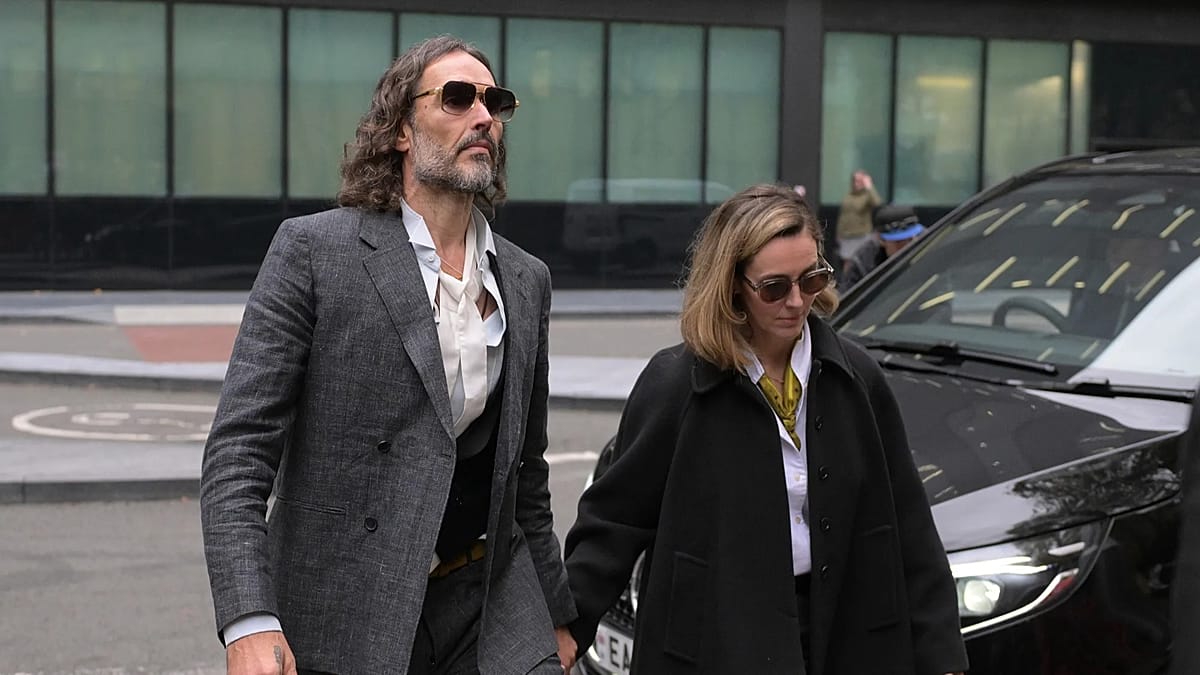
The most serious conviction related to the 2009 rape of a 21-year-old fan at the Hammersmith Apollo. This offense alone accounted for 10 years of Brand's sentence. The remaining six months were added for three separate sexual assaults: one against a Capital Radio employee in 2005, another against an MTV worker in 2004, and a third against a Channel 4 employee in 2009. These offenses, spanning five years, painted a disturbing picture of behavior that Judge Joel Bennathan would later characterize as that of a "sexual predator."
Brand's trial lasted four weeks, during which six women testified against him. The jury ultimately acquitted him of two other rape charges and one charge of attempted indecent assault, but the four guilty convictions were enough to secure a substantial prison sentence. Before sentencing, one of the victims provided a victim impact statement, though its contents were not made public. The judge acknowledged both the "determination and courage" of the victims in coming forward while also noting Brand's recent work helping people with addictions and his role as a father of three.
The court described him as manipulative and predatory, characteristics that seemed at odds with the public persona he had cultivated over decades in entertainment.
Throughout the proceedings and in the aftermath of the verdict, Brand maintained his innocence. "I have never engaged in non-consensual sexual activity," he insisted, a statement that stood in stark contrast to the jury's findings. The trial drew significant public attention, not only because of Brand's celebrity status but also because of the nature of the allegations against him. The court described him as manipulative and predatory, characteristics that seemed at odds with the public persona he had cultivated over decades in entertainment.
While the trial concluded with Brand's sentencing, the legal matters surrounding him are far from over. The Metropolitan Police revealed that Brand is currently under investigation for two additional rape allegations. These new accusations mean that even while serving his sentence, Brand may face further legal consequences if sufficient evidence emerges to bring additional charges.
The 10-year, 6-month sentence means Brand will have to serve a minimum of 7 years before becoming eligible for parole. This substantial term reflects the seriousness of the crimes, particularly the rape conviction. Judge Joel Bennathan, in delivering the sentence, made it clear that the court viewed Brand's actions as warranting significant punishment. "The total sentence is one of ten years, six months," the judge stated, emphasizing the gravity of the offenses.
The downfall of Russell Brand represents a significant moment in the ongoing conversation about sexual misconduct and accountability, particularly in industries where power imbalances can create environments where abuse may occur. The case also highlights the changing landscape of how society responds to allegations of sexual violence, with increased willingness to hold powerful figures accountable for past misdeeds. As Brand begins serving his sentence, the investigations into additional allegations continue, leaving the possibility of further legal consequences hanging over the once-celebrated comedian.
