
In the quiet stretches of Gloucestershire, the routine of domestic life was interrupted by the sudden, clinical precision of a security operation. On November 10, 2026, authorities conducted searches at two separate addresses, a move that signaled the beginning of an investigation far more consequential than a simple local matter. The focus was not on common crime, but on the invisible, high-stakes world of intelligence and the potential betrayal of national secrets.
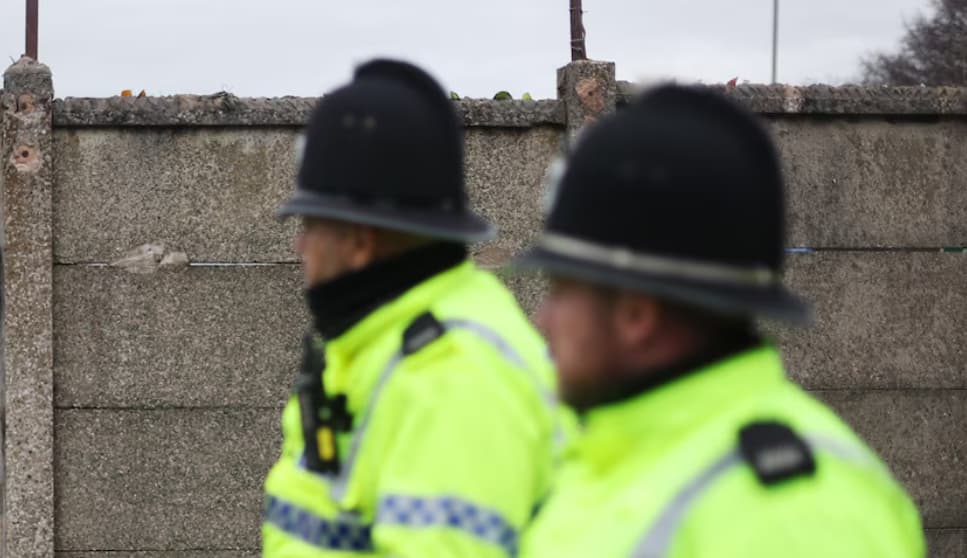
These searches were the opening salvo in a case that would eventually bridge the Atlantic, linking the local police forces of the United Kingdom with the highest levels of American military and intelligence agencies. At the heart of the matter lies a suspicion that transcends borders: the possibility that a member of the United States Army has been operating as an instrument for a foreign intelligence service.
Eleven days after the initial raids in Gloucestershire, the investigation reached a definitive turning point. On November 21, 2026, the Metropolitan Police in London executed an arrest that sent ripples through the international security community. The suspect, a member of the US military, was taken into custody and held at a London police station.
As the suspect remains in custody, the legal process begins to unfold under the shadow of the National Security Law.
The charges are not merely criminal in the traditional sense; they are rooted in the UK's National Security Law, a legal framework designed to protect the state from the most profound of threats. The suspicion is that the individual engaged in espionage offenses, specifically involving the obtaining or disclosing of protected information and providing assistance to a foreign intelligence service.
When an allegation of this magnitude surfaces, the response is rarely unilateral. The arrest has triggered a massive, multi-agency machinery involving the UK's Counter Terrorism Police, the US Army, and the Federal Bureau of Investigation (FBI). This is a moment where the mechanics of international intelligence-sharing are laid bare, showing how allies move in concert when a shared security interest is threatened.
Senior officials from both the United Kingdom and the United States have been quick to highlight the gravity of the situation. The coordination between the Metropolitan Police and the FBI suggests a case that is being treated with the highest level of scrutiny, as both nations work to determine the extent of the alleged breach and the potential damage to their collective security.
The rhetoric from Washington has been pointed and somber. The arrest is being viewed not just as a legal proceeding, but as a direct challenge to the stability of the Western intelligence community. The implications of a US military member potentially assisting a foreign power are profound, touching upon the very trust that underpins military alliances.
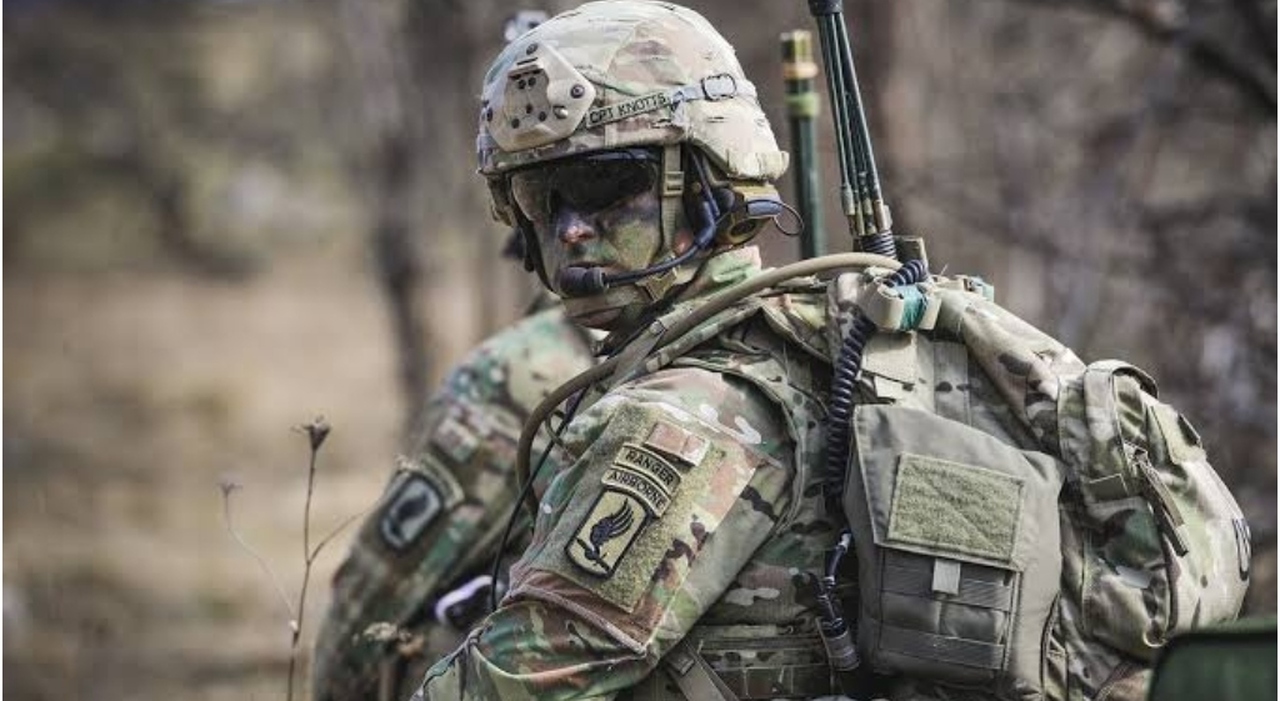
Kash Patel underscored the weight of the moment, noting that the operation is tied to espionage allegations that represent an extreme concern for the United States and its allies. The sentiment is clear: the breach of trust inherent in espionage is a threat that cannot be easily repaired, and the response must be commensurate with the danger posed.
As the suspect remains in custody, the legal process begins to unfold under the shadow of the National Security Law. The investigation is focused on the specific mechanics of the alleged espionage—how information was obtained, how it was disclosed, and the nature of the assistance provided to the foreign entity.
Vicki Evans, representing the ongoing efforts of the authorities, emphasized the gravity of the current status, stating that the allegations are serious and that the investigation remains ongoing. For the investigators, the task is to piece together a narrative of deception that may have been unfolding long before the first door was kicked in in Gloucestershire.
The overarching message from the involved agencies is one of zero tolerance. The security of the United States and its allies rests on the integrity of its personnel and the secrecy of its information. This case serves as a stark reminder of the vulnerabilities that exist even within the most tightly knit military structures.
There is a sense of resolve among the authorities: activities that endanger national security will not be tolerated. As the Metropolitan Police and the FBI continue their work, the focus remains on the integrity of the information protected by law and the determination to hold those who compromise it accountable.
As it stands, the investigation is far from over. The transition from the searches in Gloucestershire to the arrest in London has marked only the beginning of a long, complex legal and intelligence-gathering process. The world now waits to see what the evidence reveals about the scope of the alleged espionage.
For now, the suspect remains held in London, a single individual at the center of a storm that involves two of the world's most powerful military forces. The case stands as a testament to the persistent, quiet war of intelligence that continues to play out in the shadows of the modern era.