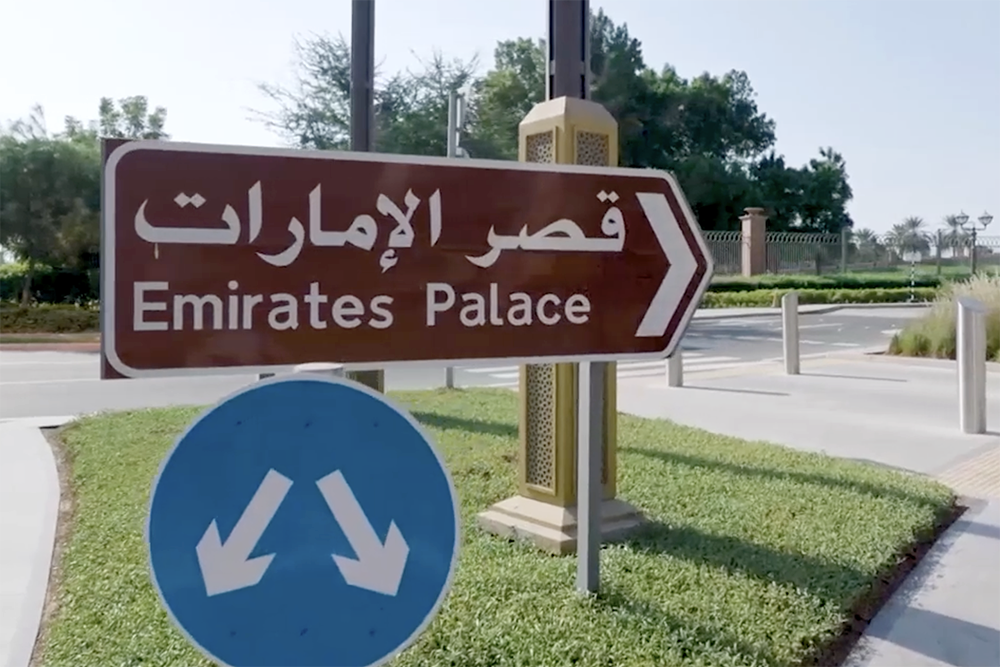
In the sweltering heat of Abu Dhabi, where temperatures have climbed to 33 degrees Celsius, a quiet but profound diplomatic effort is unfolding. The choice of the United Arab Emirates as a host for these trilateral negotiations—involving Russia, the United States, and Ukraine—is no coincidence. As a Channel One correspondent on the ground noted, the city’s environment is defined by its rigorous security protocols. For those tasked with navigating these delicate discussions, the atmosphere is one of extreme caution; video recording in the city, and particularly near the site of the talks, is strictly prohibited. It is a setting designed for silence and discretion, far removed from the public glare of European capitals.
The Russian delegation, headed by Presidential Aide Vladimir Medinsky, arrived in the capital well ahead of the scheduled start time. The proceedings are set to commence on November 10 at 11:50 local time, marking the beginning of a two-day window that could influence the trajectory of the region for years to come.
At the heart of these discussions lies a fundamental question: what will the post-conflict security landscape look like? According to a source within the negotiating team, the primary objective is to address the key aspects of establishing a new continental security system. This is an attempt to build a framework capable of preventing future threats and ensuring long-term regional stability. The participants are tasked with the heavy lifting of designing mechanisms that can hold in a post-conflict environment.
While the talks are trilateral, the influence of NATO remains a critical, if complex, factor.
The agenda for the first day is focused on security guarantees for Ukraine and the broader architecture of European security. The Kremlin has consistently emphasized that the central theme of these talks must be the discussion of mutual security guarantees for both Russia and Ukraine. This framing acknowledges that for any agreement to be durable, it must address the core security anxieties of all parties involved.
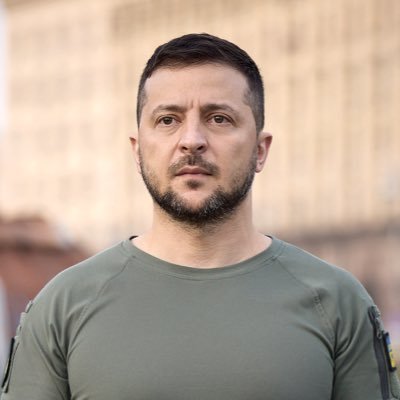
We expect the trilateral meeting format – Ukraine, the United States, and Russia – to resume soon, on November 10–11. This will be a format at the team level, and we count on the work in this format and our other diplomatic steps to pave the way for a trilateral format at the level of leaders. It is this format – at the level of leaders – that can resolve the key issues needed to achieve lasting peace and guaranteed security. We are coordinating very substantively with Germany and other European countries on the main points of the negotiations. Europe is part of the process of achieving peace, and we are doing everything to ensure that we have a shared European view of the security challenges, of how this war should end and what its outcome should be. Peace must be dignified – and then it can become lasting. This is one of our key principles. Tomorrow, there will also be meetings in Brussels – America, Europe, NATO, and Ukraine – on the recovery package and security guarantees. The work will take place at the team level. I said this during the press conference with Friedrich Merz @bundeskanzler.
While the talks are trilateral, the influence of NATO remains a critical, if complex, factor. American officials have been clear in their stance: NATO will continue to play a central role in the collective defense of Europe. This position is being reinforced by active engagement from the highest levels of the alliance. NATO Secretary General Mark Rutte has been deeply involved in discussions with the United States administration regarding potential reforms, signaling that the alliance is prepared to adapt its posture even as it maintains its core mission. The U.S. administration acknowledges that the continent’s relationship with Russia requires a fundamental rethink.
There is a palpable sense of urgency surrounding these meetings, born from the realization that previous efforts have fallen short. An anonymous source involved in the process offered a stark assessment of the current state of affairs, stating simply, "It is obvious that something is not working." This admission underscores the failure of previous agreements, despite Russia’s past proposals for change. The current initiative in Abu Dhabi is an attempt to move past these historical deadlocks by addressing the structural flaws that have rendered previous diplomatic efforts ineffective.
As the talks progress into the second day, the focus is expected to shift toward the difficult and contentious issue of territorial questions. This transition from broad security architecture to the specific, localized realities of the conflict highlights the immense difficulty of the task at hand. The negotiators are operating under the weight of high expectations and the memory of past failures. Whether this trilateral effort can move beyond the current impasse remains to be seen, but the gathering in Abu Dhabi represents a rare and deliberate attempt to construct a new foundation for European stability.