
In the modern era, the invisible architecture of our lives—the systems that allow us to book a flight, send a message, or complete a purchase—is as vital as the roads we drive on. When those systems fail, the friction is felt instantly across the entire breadth of society. A series of major outages rippled through the digital economy, stalling travel, severing communications, and paralyzing e-commerce. The chaos was not merely a matter of inconvenience; it reached into the very heart of the American intelligence apparatus, affecting the internal network of the National Security Agency.
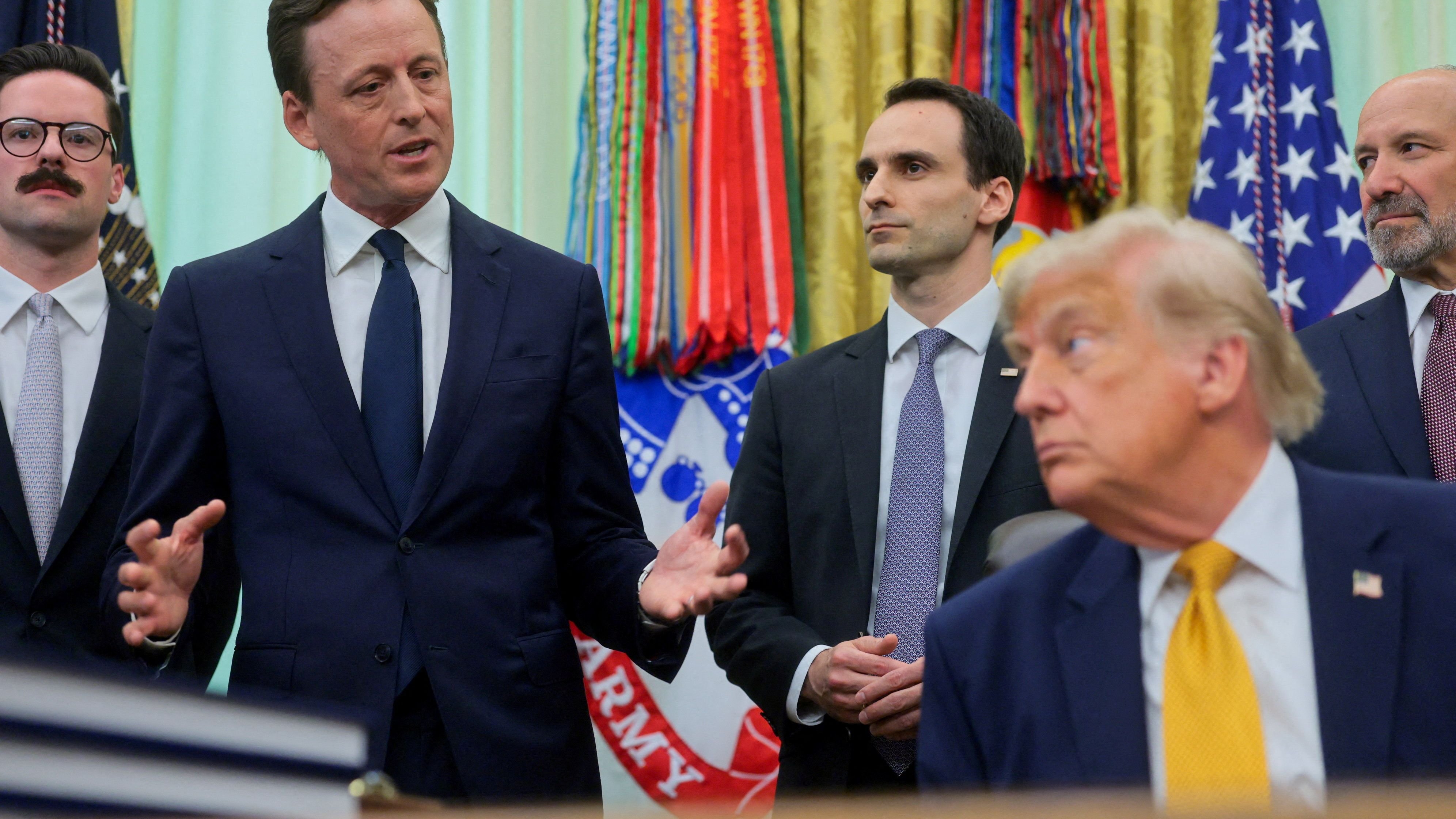
As the outages cascaded through the nation's infrastructure, the pressure on the White House to account for these vulnerabilities reached a breaking point. The technical failures raised urgent questions about the stability of the nation's cyber defenses, particularly as the specter of artificial intelligence threats continues to loom over the digital frontier. In the wake of these disruptions, the administration faced a mounting backlash, demanding clarity on who was at the helm of the country's digital shield.
Sean Cairncross, the White House cybersecurity chief, was fired. The decision marked a sharp pivot for an office tasked with guarding the nation against increasingly sophisticated digital incursions. For Cairncross, the dismissal ended a tenure that had seen him rise through the ranks of the political establishment, moving from the high-stakes environment of the 2016 election cycle—where he served as the Republican National Committee's Chief Operating Officer—to the inner sanctum of the White House.
The decision was rooted in a fundamental debate over the qualifications required to manage the nation's most sensitive digital assets.
While the outages provided the immediate catalyst for change, the justification for the firing went deeper than mere reaction to technical failure. The decision was rooted in a fundamental debate over the qualifications required to manage the nation's most sensitive digital assets. According to a source close to the White House, President Donald Trump fully supported the firing because Cairncross lacked the proper credentials to perform the job. In an era where cyber warfare and AI-driven threats require specialized, technical mastery, the administration signaled that political experience alone would no longer suffice for the role.

White House taps Kirsten Davies as cyber chief after outages rattle Americans https://t.co/UUnU78mWyA https://t.co/X9NK0qGig9
To stabilize the post, the White House has turned to a figure with a different pedigree. The role will be filled in an acting capacity by Kirsten Davies, the current Defense Department Chief Information Officer. Unlike her predecessor, Davies brings a level of institutional vetting that the administration deems necessary for the current climate. She has been Senate-confirmed, a process that provides a layer of legislative oversight and validation of expertise that is critical for high-level security positions.
A source close to the White House noted that Davies possesses more appropriate credentials for the complexities of the position. Her transition from the Defense Department to the White House represents an attempt to bridge the gap between military-grade information security and civilian administrative oversight. As the administration moves forward, the focus remains on whether this change in leadership can restore confidence in the systems that underpin the American economy and national security.