
In the summer of 2019, the streets of India’s capital glowed with banners for the Citizenship Amendment Act and warnings for the National Register of Citizens. The march of demonstrators and the march of police set the city on a collision course. The protests, rooted in fears over identity and citizenship, would later erupt into violence when lines were redrawn in the city’s northeast slums.
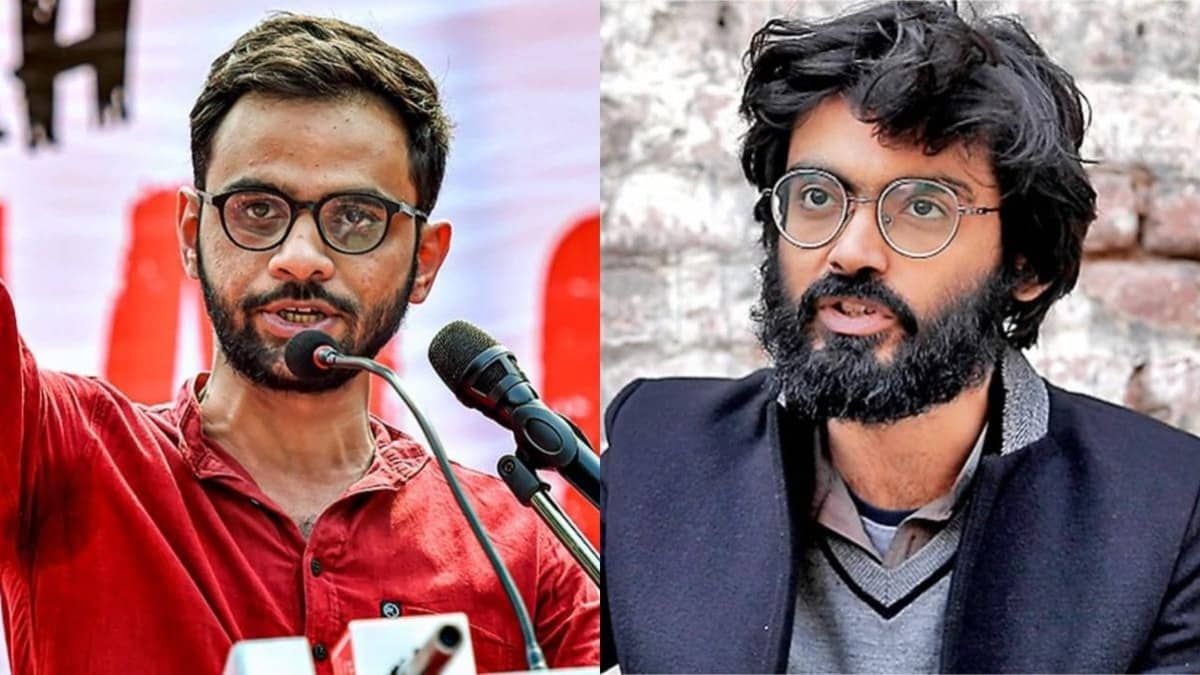
Fast forward to the winter of 2020. A spark of tension ignited a storm, and by the month’s end, the Narendra Modi era’s contentious policies had manifested in armed clashes that shook the very heart of Old Delhi. It was then that police and citizens alike began to record the chaos on social media, turning a local incident into a narrative saga.
On 25 September 2020, a formal charge sheet appeared on court record. It named a number of perpetrators, among them Shariq and Umar Khalid, and alleged they were part of a “grand conspiracy” behind the riots—an indictment under India's Unlawful Activities (Prevention) Act. The document named 47 protected witnesses, adding a layer of complexity to the already tangled web.
The hearing will likely be more comprehensive than the initial bail petition.
Three years later, on 30 September 2024, the Delhi High Court threw its gavel on the bail petition. That ruling was a key hinge in the case’s ascent.
When the two men’s defense lawyers presented their case to the Supreme Court, they argued two main points. First, the prosecution had failed to examine the 47 protected witnesses mentioned in the charge sheet—a glaring omission that would, they said, taint the evidence. Second, the year‑long limitation period that runs from the filing of the charge sheet should already have expired, meaning the charges they were facing no longer stood on legally enforceable ground.
On 14 December 2025, the Supreme Court, presided over by Chief Justice S.K. with Justices Bhati and Mohan, made a decisive ruling. The bench denied the interim bail requested by Shariq and Umar Khalid, marking a direct rejection of the Delhi High Court’s earlier decision. In its order, the Court did not merely refuse bail; it also set the tone for the next phase of the case.
In response to the complexities of the riot case, the Supreme Court directed the formation of a dedicated three‑judge bench. The hearing will likely be more comprehensive than the initial bail petition.
Today, as the court’s notice sits on the desk of Delhi Police, the legal battleground remains far from over. The police are required to respond to the notice, a step that could either strengthen the prosecution’s case or provide new avenues for defense. The Supreme Court’s denouncement of bail, coupled with its insistence on a three‑judge panel, underscores a determination to scrutinize the alleged conspirators more fully. The outcome will shape not only the fates of Shariq and Umar Khalid, but also the broader judicial approach to politically charged riots in India.
Chief Justice S.K. is the senior authority who turned down their bail. Justices Bhati and Mohan added weight to the denial, while Delhi Police now must answer a formal summons from the Supreme Court.
These proceedings aren’t a mere legal footnote. They touch upon India’s constitutional safeguards—in particular, the presumption of innocence and the procedural necessity of examining witnesses. If the Court upholds the denial, it would intensify scrutiny on how the state addresses accusations of violent conspiracy.
As the legal gears grind, society watches. The criminal justice system now faces a twin challenge: to balance swift punishment for chaos with the fundamental rights of those accused. The Supreme Court’s decision marks a new chapter in that ongoing struggle.