
The diplomatic landscape between India and Nepal shifted significantly this week, as the two nations moved to mend recent fractures and solidify a partnership rooted in both ancient tradition and modern necessity. For Nepalese Prime Minister Balen Shah, the stakes were high; his choice to make India the destination of his first foreign visit since taking office signaled a clear intent to prioritize the relationship with his southern neighbor. The two-day visit, which concluded with a sense of renewed purpose, was framed by a shared recognition that the ties between these two nations are as enduring as the geography they share.
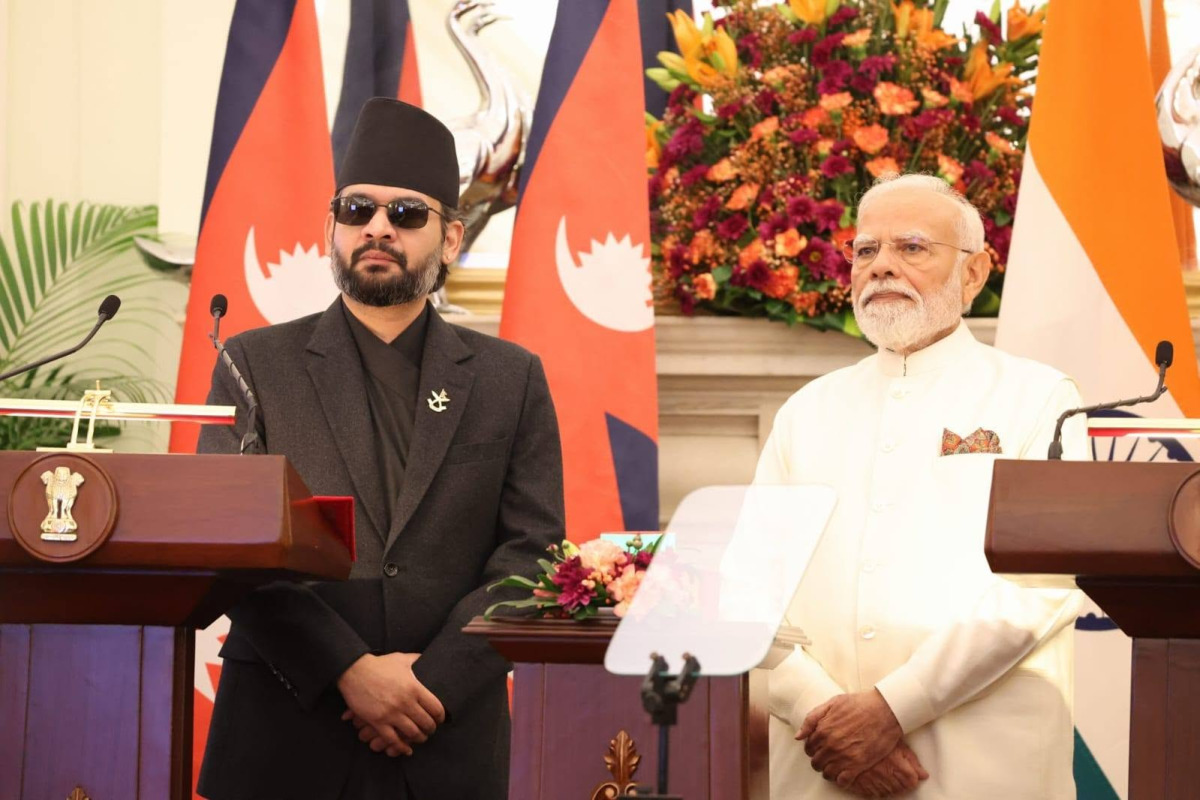
At the heart of the diplomatic dialogue was a profound emphasis on the cultural and spiritual threads that have long connected India and Nepal. Prime Minister Narendra Modi, speaking during a joint media conference, underscored that the relationship transcends simple neighborly proximity. "India and Nepal’s relationship is not just that of neighbors, it is about a close bond and unshakable trust," Modi remarked. He went on to articulate the spiritual significance of this connection, noting that for millions, the narrative of Lord Ram remains incomplete without the involvement of Nepal. This sentiment was echoed by the staggering statistic that over 30 crore devotees have visited Ayodhya to honor Lord Ram, highlighting the massive scale of the cultural pilgrimage that now seeks to bridge the two countries more effectively.
Beyond the rhetoric of shared history, the visit yielded tangible, high-stakes commitments. In a move designed to catalyze economic growth and counter external pressures, Prime Minister Modi announced a comprehensive development package for Nepal. The financial commitment is substantial, totaling 24,000 crore in Nepalese Rupees—approximately 14,993 crore in Indian Rupees. This aid is earmarked for critical infrastructure projects, with a specific focus on the energy sector. To further cement this cooperation, the two leaders presided over the signing of eight Memorandums of Understanding (MoUs) covering energy, health, and infrastructure, ensuring that the partnership is built on a foundation of concrete action.
This aid is earmarked for critical infrastructure projects, with a specific focus on the energy sector.
Perhaps the most symbolic moment of the visit was the joint flagging off of the new Saryu-Kamala Express. This train service, which covers a distance of 604 kilometers, provides a direct link between Ayodhya and Janakpur Dham. By physically connecting these two spiritually significant locations, the service aims to boost tourism and facilitate the movement of people, reinforcing the cultural bond that Modi described as "emotional" and "cultural." The project is part of a broader strategy to elevate bilateral ties through improved connectivity via the Indian states of Bihar and Uttar Pradesh.
Recognizing that true prosperity requires access to global markets, the bilateral talks also resulted in a strategic agreement to open the Kandla and Paradip ports to Nepal. This decision is a significant step in diversifying Nepal’s trade routes and reducing its logistical isolation. Furthermore, the commitment to establish an offshore campus of an Indian Institute of Technology (IIT) in Nepal, alongside the creation of innovation hubs and support for local startups, signals a long-term investment in Nepal’s human capital and technological future.
As the visit concluded, the tone was one of mutual respect and optimism. Prime Minister Balen Shah captured the sentiment of the delegation, describing the India-Nepal relationship as being "strong like the Himalayas and wide like the ocean." Having been received at the President’s House in New Delhi, Shah returned to Nepal with a clear mandate for enhanced cooperation. While the geopolitical environment remains complex—with India actively working to balance regional influence—the current trajectory suggests a pivot toward a more integrated, development-focused alliance. For now, the two nations have committed to a path of mutual growth, anchored by the belief that their shared future is inseparable from their shared past.