
At the Parc des Expositions in Le Bourget, the atmosphere buzzed with anticipation. Jean-Luc Mélenchon, the leader of La France Insoumise, had chosen this venue for a grand rally that would serve as a rallying cry for his supporters and a declaration of his political vision. The event, organized by his movement, was a testament to the growing momentum of his campaign.
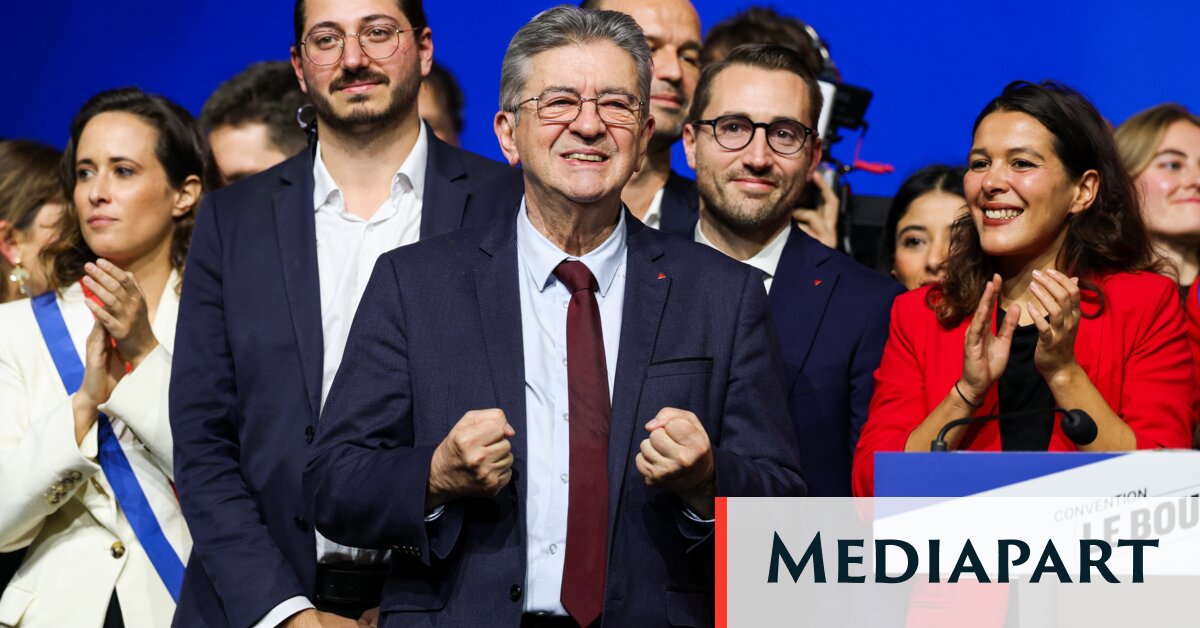
As Mélenchon stepped onto the stage, the crowd of nearly 20,000 people erupted into cheers. The atmosphere was electric, with supporters of all ages and backgrounds united in their quest for change. Young activists mingled with other attendees. The event was not just a rally; it was a celebration of a movement that had been gaining strength.
Mélenchon, known for his powerful oratory, did not disappoint. He began his speech by addressing the crowd directly, his voice resonating through the hall. 'Je n’ai qu’une chose raisonnable à vous proposer,' he declared, his words punctuated by the thunderous applause. 'Il faut tout changer.' The phrase echoed through the venue, a clarion call for a complete overhaul of the French political system.
This gesture added a poignant layer to the rally, reminding the audience of the real-world implications of their political efforts.
Mélenchon understood the importance of symbolism and visual impact. The crowd, energized by the speeches and the atmosphere, responded with passionate chants and slogans. The event was a show of force that underscored the strength of the movement.
Amid the excitement, Mélenchon took a moment to honor the memory of a victim of racist attacks. He paid tribute to the individuals who had fallen victim to hate, using the occasion to highlight the ongoing struggle against racism and discrimination. This gesture added a poignant layer to the rally, reminding the audience of the real-world implications of their political efforts.
As the rally progressed, Mélenchon faced a challenge. Some commentators had advised him to tone down his rhetoric and adopt a more conciliatory tone to broaden his appeal. But Mélenchon was resolute. 'D'autres commentateurs me recommandent de mettre de l'eau dans mon vin pour séduire et être moins clivant. Je ne le ferai pas,' he declared, his voice firm and unwavering. 'Ce serait une attitude politicienne qui ne convaincrait personne, mais qui dégoûterait tout le monde.' The crowd responded with a mixture of admiration and agreement, recognizing the sincerity and strength of his convictions.
Mélenchon's speech was not just about the present; it was about the future. 'Nous allons nous battre jusqu'à la dernière seconde,' he vowed, his words a promise to his supporters. The rally was a declaration of war, a call to action that would resonate throughout the campaign. The event was a testament to the enduring power of his movement, a force that refused to be silenced or diluted.

The rally at the Bourget was more than just a political event; it was a moment in the history of French politics. Jean-Luc Mélenchon had reaffirmed his commitment to radical change, and the crowd had responded with overwhelming support. The event was a powerful demonstration of the strength of his movement, a force that refused to be ignored. As the night drew to a close, the crowd dispersed, their spirits high and their resolve unshaken.