
On November 24, 2026, the gleaming silhouette of the Public Investment Fund (PIF) Tower—Riyadh’s tallest skyscraper at 80 floors—was ripped apart by a second explosion in as many days. The blast, which ripped through the building’s glass façade, left eleven people wounded, among them Indian, Nepali, Egyptian and Saudi nationals. Witnesses say that crews already on site, repairing damage from a prior strike the previous Thursday, were caught in the new onslaught. At least two of the injured were rushed to intensive care, their conditions described as critical.
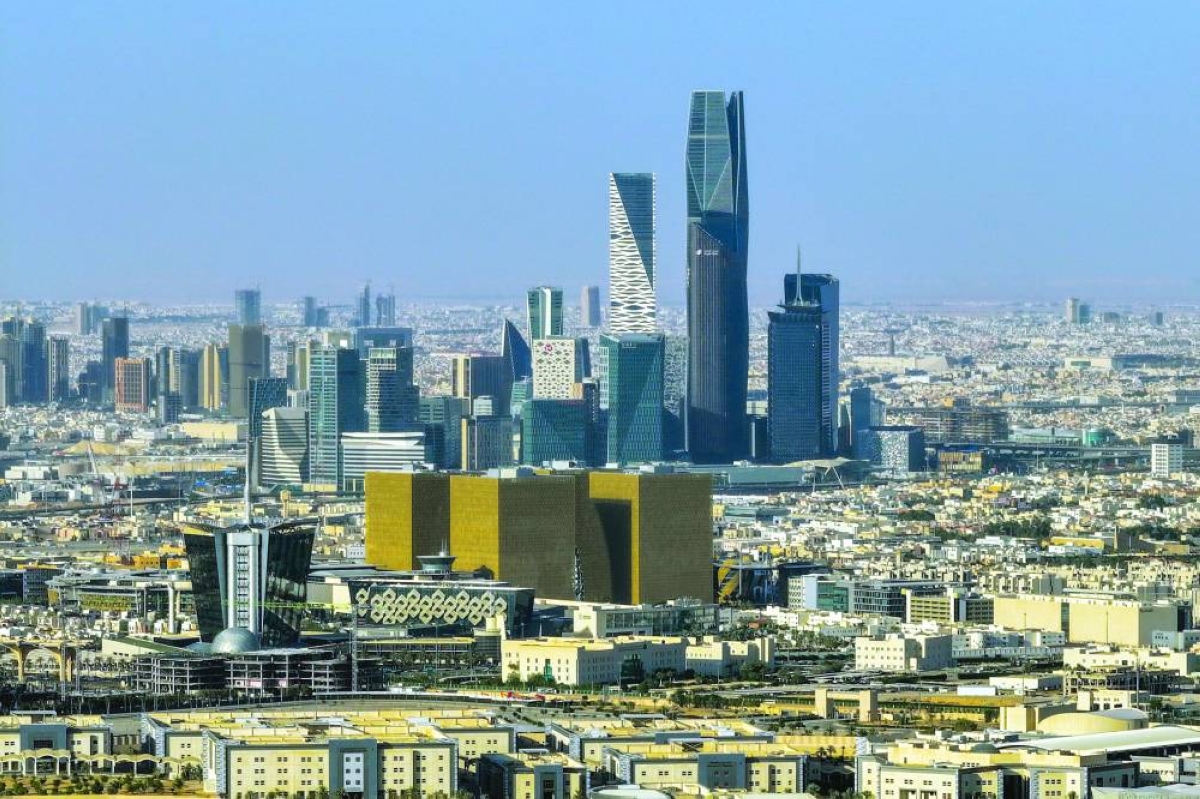
Within hours, a spokesperson for the Saudi‑led coalition, the same force battling Iran‑backed Houthi militants in Yemen, issued a stark condemnation. “One of the towers in the financial centre was targeted in a cowardly terrorist attack,” said Turki al‑Malki, underscoring the coalition’s view that the strike was not a random act of war but a deliberate act of terror. The Saudi Press Agency echoed the casualty count, confirming that the attack resulted in 11 people being injured.
The PIF Tower is not an isolated target. Earlier attacks have scarred the King Abdullah Financial District (KAFD), where the tower resides, and have also hit Aramco’s own tower and Riyadh’s airport. The airport assault in October claimed 14 lives, a grim reminder that the capital’s infrastructure sits in the crosshairs of a conflict that reignited in July when Houthi forces resumed hostilities against the Saudi‑led coalition.
” The suddenness of the evacuation, coupled with the presence of repair crews, illustrates how the city’s economic engine continues to grind amid danger.
The human toll of the latest strike is felt most acutely in the stories of those on the ground. A waiter at a KAFD restaurant, who had just reopened his establishment after the previous Thursday’s damage, recounted the chaos: “We just reopened a while ago.” He described how staff and patrons were hurriedly ushered out as alarms blared: “They evacuated all of us telling us a tower has been hit.” The suddenness of the evacuation, coupled with the presence of repair crews, illustrates how the city’s economic engine continues to grind amid danger.
Beyond the immediate devastation, the attack strikes at the heart of Saudi Arabia’s diversification agenda. The Public Investment Fund, the sovereign wealth fund that owns the tower, is the engine driving the kingdom’s shift away from oil dependence. The targeting of its flagship tower carries symbolic weight: it is an attempt to undermine both the physical and financial foundations of the nation’s transformation.
The broader backdrop to these strikes is the renewed conflict with the Houthi movement, which receives backing from Iran. The attacks on high‑profile civilian and economic sites in Riyadh signal a tactical shift, bringing the war’s violence into the kingdom’s own urban core and testing the coalition’s resolve.
As the dust settles on the PIF Tower’s shattered windows, Riyadh faces a stark choice: to double down on security measures and continue its ambitious development plans, or to recalibrate its pace in the face of persistent threats. The coalition’s branding of the strike as a “cowardly terrorist attack” frames the incident not merely as a tactical blow but as an affront to the nation’s vision for a diversified, modern economy. For the workers who fled the building that day, the phrase may feel all too literal—a reminder that the pursuit of progress can be interrupted in an instant.
The story of the PIF Tower is still being written. As repair crews return, as investigations trace the origins of the missiles, and as the coalition recalibrates its response, the tower stands as both a symbol of Saudi ambition and a stark reminder of the fragility of that ambition in a volatile regional landscape. The next chapter will hinge on whether security can keep pace with the aspirations that the tower itself embodies.