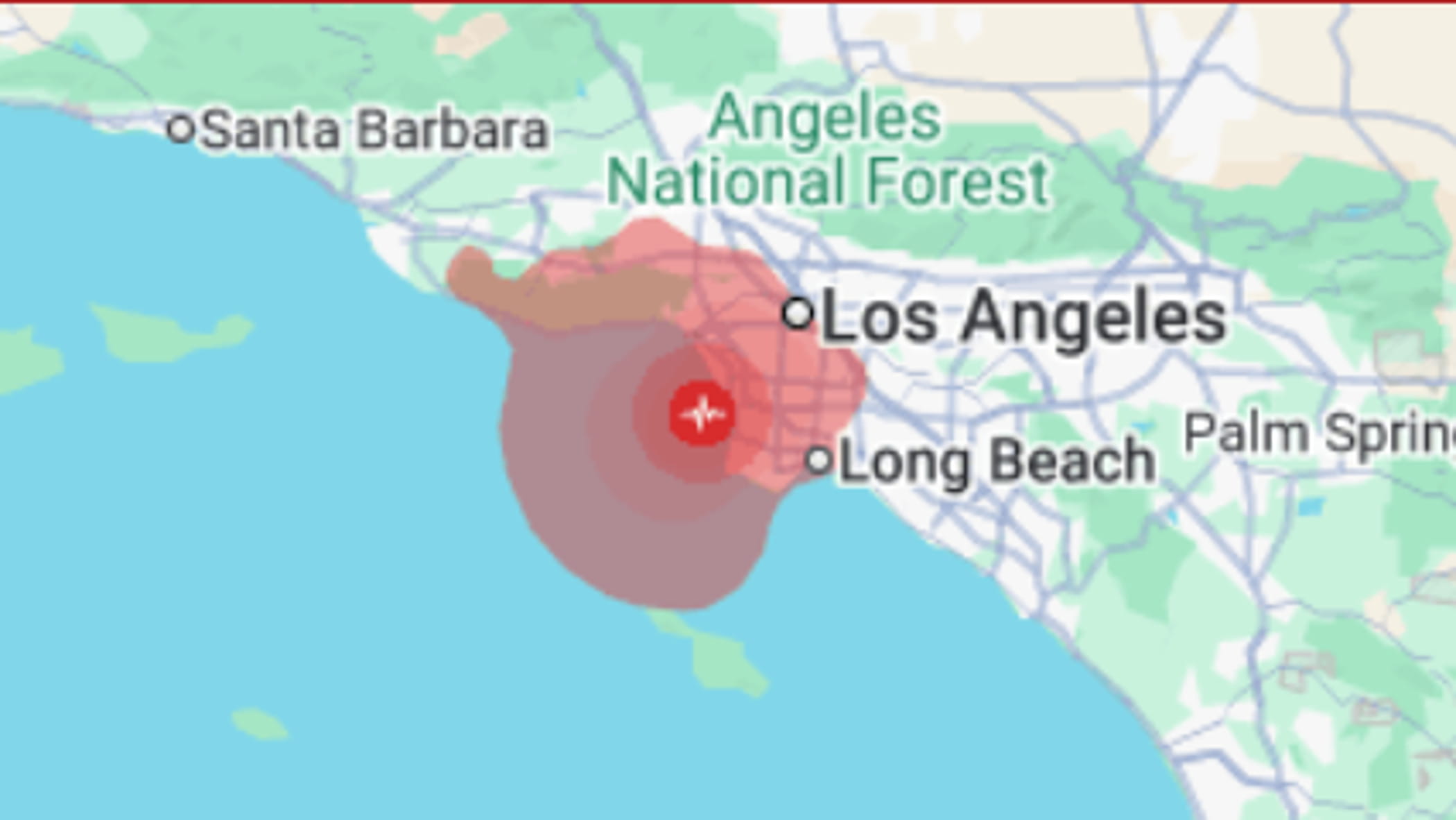
On Saturday morning, November 28, 2026, the ground beneath Southern California gave a sudden, powerful lurch. A magnitude 5.0 earthquake struck approximately 6 kilometers off the coast of Manhattan Beach, near Los Angeles International Airport, sending tremors across the region. The quake, recorded at 9:30 AM local time, was the strongest to hit the Los Angeles-Orange County area in 12 years, since a magnitude 5.1 earthquake rattled Brea in 2014.
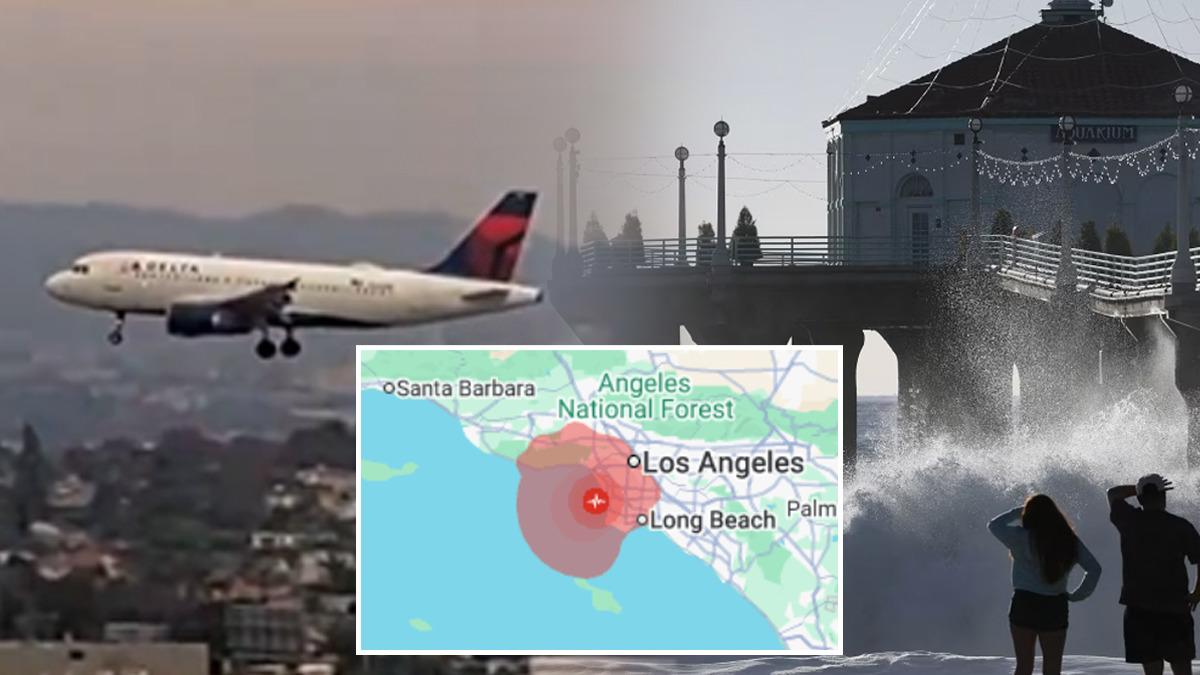
The Los Angeles Fire Department sprang into action, activating its emergency Earthquake Mode across all 106 neighborhood fire stations. Firefighters began a citywide survey of critical infrastructure, including bridges, dams, and hospitals, to assess any potential damage. "A preliminary 5.0-magnitude earthquake centered near Manhattan Beach was felt across Los Angeles at 9:30 AM this morning," said Mayor Karen Bass. "So far, while there are no reports of major damage, the LAFD is in earthquake mode to assess potential impacts across the city. City teams will continue to monitor and update as needed."
Following the initial tremor, at least three aftershocks registered in the region, including a magnitude 3.0 tremor near Hermosa Beach and a 2.5 magnitude quake near Manhattan Beach. These smaller tremors kept residents on edge, with Mayor Bass urging everyone to "be ready for possible aftershocks." Thousands of residents from Venice to Oxnard reported feeling the shaking, with those in Manhattan Beach, El Segundo, and near LAX experiencing the strongest jolts.
Jones emphasized that while the earthquake was significant, the probability of serious damage was extremely low.
One of the most visible effects of the earthquake was a column of dense black smoke that rose from the Chevron oil refinery in El Segundo. City authorities quickly issued a warning about an "emergency gas flaring incident" at the facility, and firefighters were dispatched to the scene. Dozens of shoppers and employees at a shopping complex near the refinery were evacuated to the parking lot, some appearing shaken by the sight of the smoke. While the incident alarmed many, officials confirmed no significant injuries or major structural damage resulted from the earthquake.
Los Angeles International Airport experienced some disruptions due to the tremors. The Federal Aviation Administration reported minor flight delays, and broken window glass was observed at the facility, though airport operations continued with minimal interruption.
Seismologist Lucy Jones, from the California Institute of Technology, addressed the public's concerns in a news conference. "The intensity of the tremors is very frightening to people, but it is not enough for destruction," she explained. Jones emphasized that while the earthquake was significant, the probability of serious damage was extremely low. "Shaking dies off very rapidly with distance," she noted. "By being offshore, we've reduced that to a certain extent... I can't imagine that we're looking at anything really significant."
This earthquake comes after a magnitude 5.7 earthquake struck the Pacific Ocean near Antarctica just days earlier, on November 25. The US Geological Survey initially estimated the Southern California quake at magnitude 4.7 before upgrading it to 5.0. The epicenter was located at varying depths in different reports—between 7.6 miles and 12 kilometers—though all sources agreed it occurred offshore, which helped mitigate potential damage. The USGS did not issue a tsunami warning, confirming that while the quake was strong, it posed no immediate threat of a tsunami.

The earthquake's magnitude of 5.0 places it in a category that can cause noticeable shaking of indoor objects, rattling noises, and potential broken dishes or windows, but rarely causes significant structural damage. The fact that it occurred offshore helped reduce its impact on populated areas. Jones stated that the probability of serious damage is extremely low, offering reassurance to concerned residents.
As Southern California continues to experience aftershocks, authorities remain vigilant. The Los Angeles Fire Department maintains its earthquake response mode, and city officials continue to monitor the situation closely. While the earthquake was a reminder of the region's seismic vulnerability, it also demonstrated the effectiveness of emergency preparedness and the resilience of the communities affected. As Lucy Jones noted, "The probability of serious damage is extremely low," a sentiment that offered comfort to a region still feeling the earth's sudden movement.