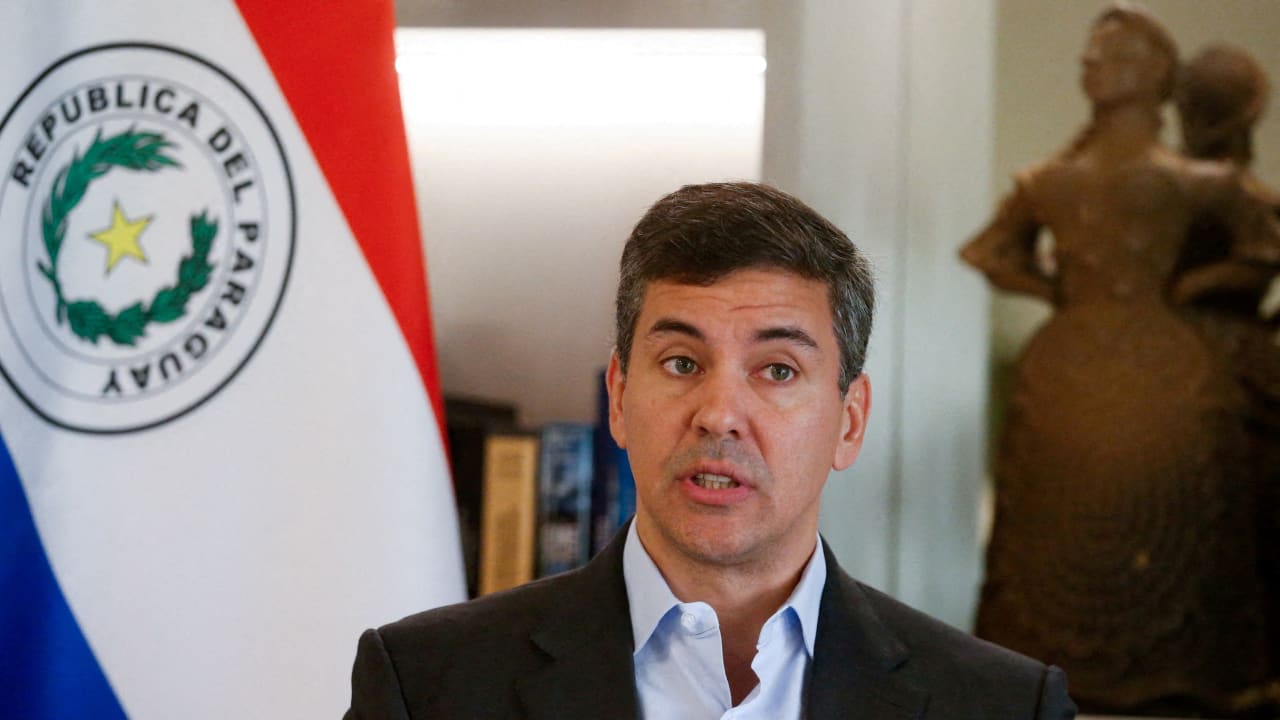
In the heart of Paraguay, the collapse of Ueno Bank triggered a profound political crisis. The bank, which had been a major player in the country's financial sector, collapsed, affecting nearly 3 million accounts, primarily belonging to ordinary citizens and pension funds. The news sent shockwaves through the nation, leading to widespread protests and a growing sense of public outrage over frozen savings.

The bank's collapse was not just a matter of bad business; it was a systemic failure linked to misconduct. Prosecutors opened criminal investigations targeting former officials, including former central bank chief Carlos Carvallo. The bank's former financial director, appointed by President Santiago Peña, was a key figure in these practices. The collapse left millions of Paraguayans unable to access their savings, leading to demands for accountability.
Following the fallout, the Paraguayan Senate made a historic decision. In a unanimous vote, they removed President Santiago Peña from office for misconduct in connection with the collapse of Ueno Bank. The Senate's decision was based on findings that Peña had used his political influence to steer hundreds of millions of dollars in public funds into Ueno while regulators overlooked risky insider lending. The move was seen as a significant step towards addressing the public's demands for justice and accountability.
The investigation into the Ueno Bank scandal was thorough and wide-ranging.
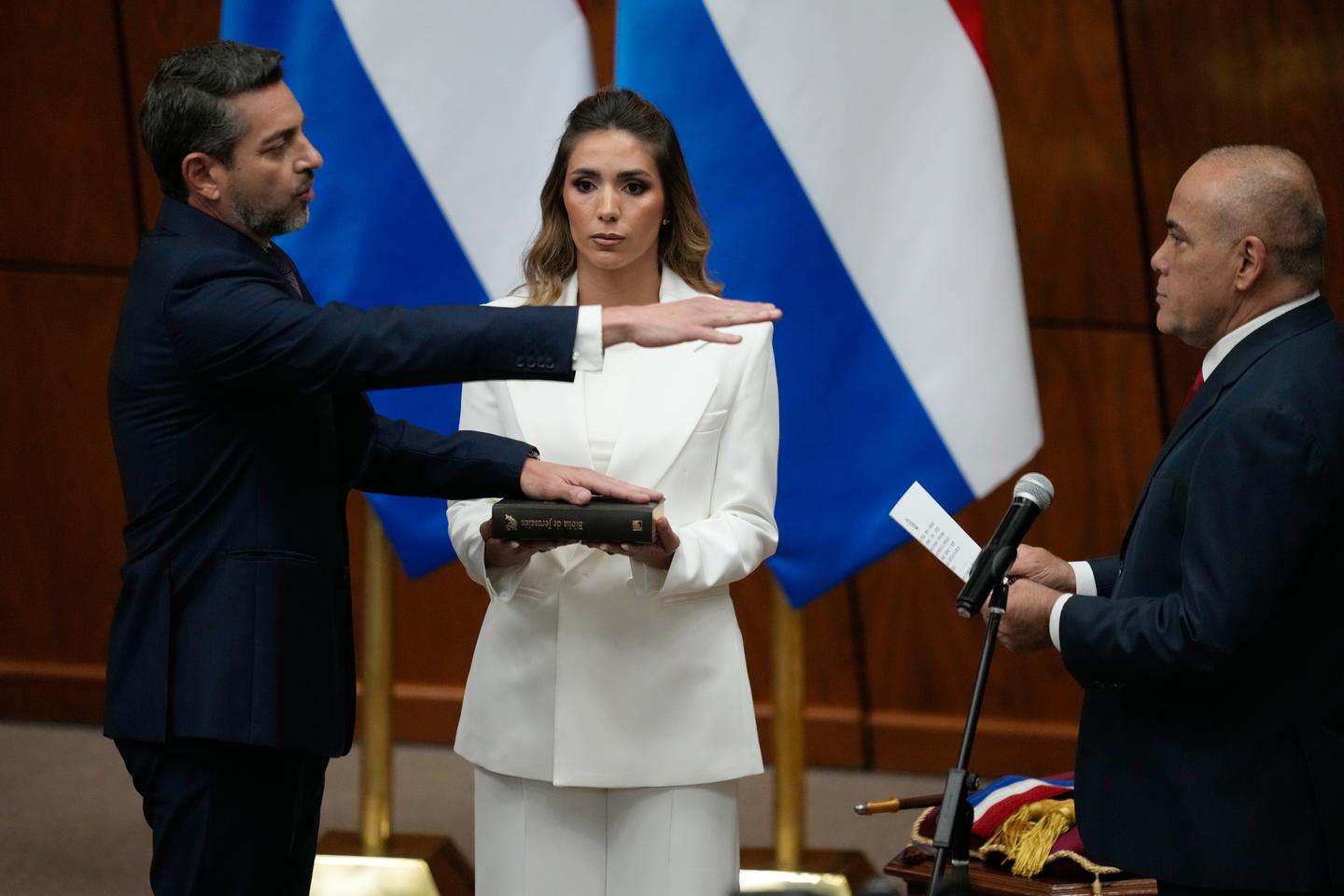
Shortly after the Senate's decision, former President Santiago Peña was placed under house arrest on suspicion of breach of trust. Peña was also barred from his lifetime Senate seat, a move that further stripped him of his political power and influence. The vice president, Pedro Alliana, was sworn in to serve out the term, inheriting a government under pressure to address the scandal and return depositors' money.
The ousting of Peña and the subsequent protests were not just about the collapse of Ueno Bank. They were a broader call for accountability and transparency. The bank's collapse had left a deep scar on the nation, with the state pension fund and the Social Security Institute each holding over 355 million dollars at Ueno Bank. The public's anger was palpable, and the protests were a manifestation of this frustration. The situation was further complicated by the fact that Peña had previously been the fourth-largest shareholder in Ueno Bank and had appointed the bank's former financial director as central bank governor.
The investigation into the Ueno Bank scandal was thorough and wide-ranging. Prosecutors ordered the arrest of former central bank chief Carlos Carvallo, who was seen as a key figure in the bank's collapse. The arrests and investigations were a clear signal that no one was above the law, and that the government was committed to addressing the crisis. The move was met with mixed reactions, with some seeing it as a step towards justice, and others questioning the motives and methods of the investigation.
As the country grappled with the fallout of the Ueno Bank scandal, a new leader was sworn in. Vice President Pedro Alliana was sworn in as the new president. The transition was smooth, but the challenges were immense. Alliana inherited a government under pressure to address the scandal and return depositors' money. The new president faced the daunting task of restoring public trust and ensuring that the lessons of the Ueno Bank collapse were not forgotten.
As the dust settled, the aftermath of the Ueno Bank scandal and the impeachment of President Santiago Peña left a lasting impact on Paraguay. The country was left to grapple with the consequences of the financial crisis and the political fallout. The ousting of Peña and the subsequent arrests sent a clear message that no one was above the law, and that the government was committed to addressing the crisis. The transition to new leadership was a crucial step towards restoring public trust and ensuring that the lessons of the Ueno Bank collapse were not forgotten. The country's future would depend on how effectively the new government addressed the challenges ahead and ensured that such a crisis never happened again.