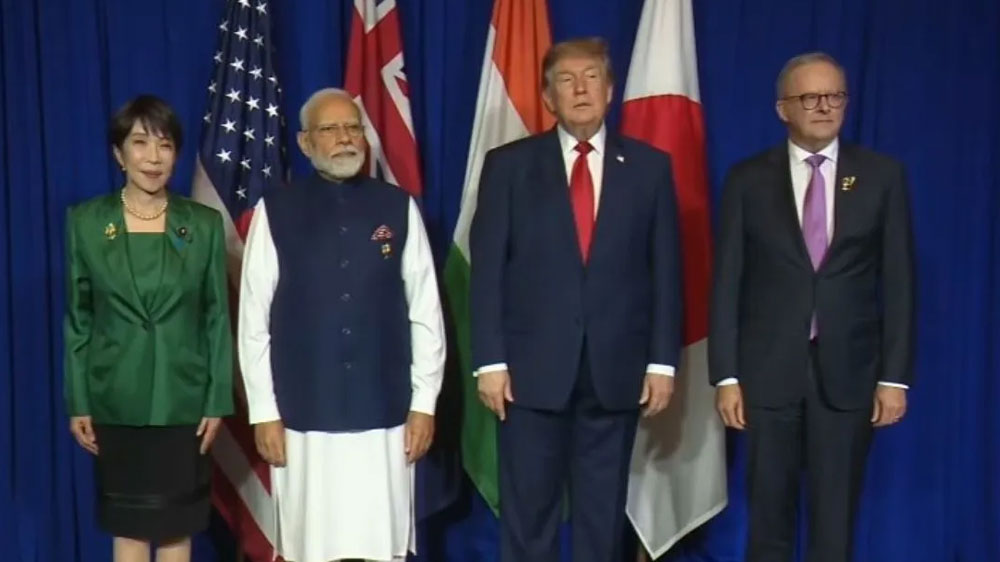
In the diplomatic theater of Manila, Philippines, where world leaders gathered for the Quad summit, a candid observation from US President Donald Trump about Indian Prime Minister Narendra Modi cut through the formalities. "He's a very tough man, just in case and she may be even tougher. We're okay, too," Trump remarked, offering a rare glimpse into his personal assessment of his counterpart. The comment, delivered with characteristic bluntness, underscored the complex personal dynamics that often underpin high-stakes international relations.
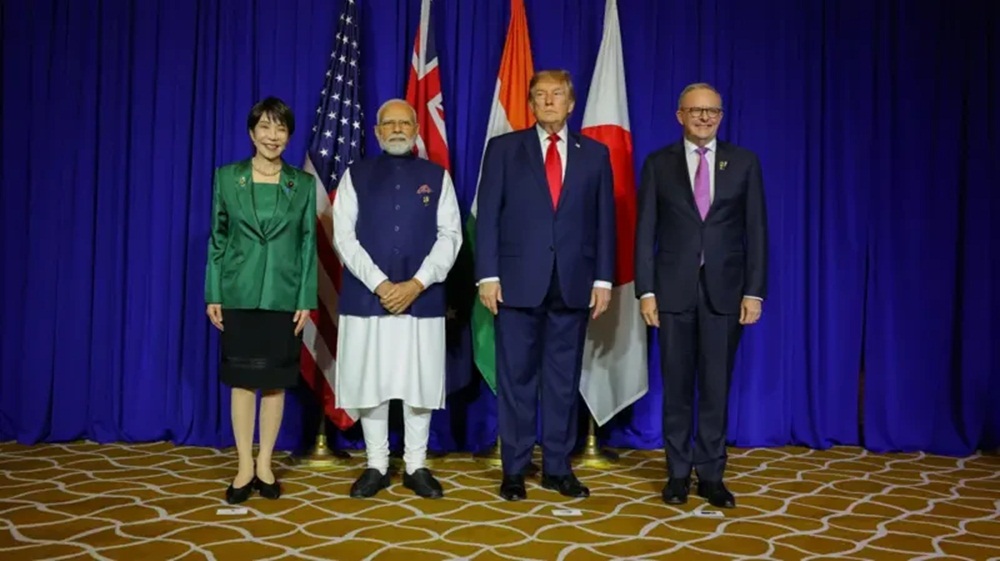
The Quad summit brought together leaders from the United States, India, Japan, and Australia – four democracies increasingly united by shared strategic concerns in the Indo-Pacific region. Trump didn't hesitate to praise the alliance, declaring it "one of the most successful partnerships in the world." This characterization reflected the Quad's evolution from a conceptual framework to a tangible force addressing contemporary geopolitical challenges, particularly in maintaining regional stability and countering growing influence from other powers.
Beyond the pleasantries and diplomatic courtesies, the summit's substantive focus centered on securing critical resources essential to modern economies and military capabilities. The United States, India, and Japan announced a collaborative effort to dramatically increase rare earth mineral production, with Trump specifying that production will be available in the next 10 months. This ambitious timeline reflects both the urgency of the challenge and the strategic importance of these elements, which are indispensable for everything from smartphones to defense systems.
The Quad summit represented merely one stop in Trump's intensive Asia tour, a diplomatic marathon designed to reshape regional security and economic relationships.
The Quad summit represented merely one stop in Trump's intensive Asia tour, a diplomatic marathon designed to reshape regional security and economic relationships. Following his engagements in Manila, Trump was scheduled to attend the Association of Southeast Asian Nations (ASEAN) annual summit, further extending American engagement with the region's multilateral institutions. This sequence of meetings demonstrated the administration's strategy of pursuing parallel bilateral and multilateral approaches to achieve its foreign policy objectives.

“SHALL WE MOVE?” PM Narendra Modi appeared uninterested in prolonging the impromptu press interaction with President Trump. He signalled to the other leaders to move towards the meeting room and get on with the QUAD Summit. https://t.co/a1iGPcnizO
As Trump's itinerary continued, the potential for further diplomatic surprises remained high. Beyond ASEAN, the US President planned to travel to China for trilateral nuclear talks with leaders of China and Russia – a meeting that could significantly alter global security calculations. Perhaps most intriguingly, Trump hinted at the possibility of an encounter with North Korean leader Kim Jong Un during his Asian journey, adding another layer of unpredictability to an already complex diplomatic landscape. Each development, from his characterization of Modi to the rare earth announcement, contributed to shaping the contours of American engagement in the world's most dynamic region.