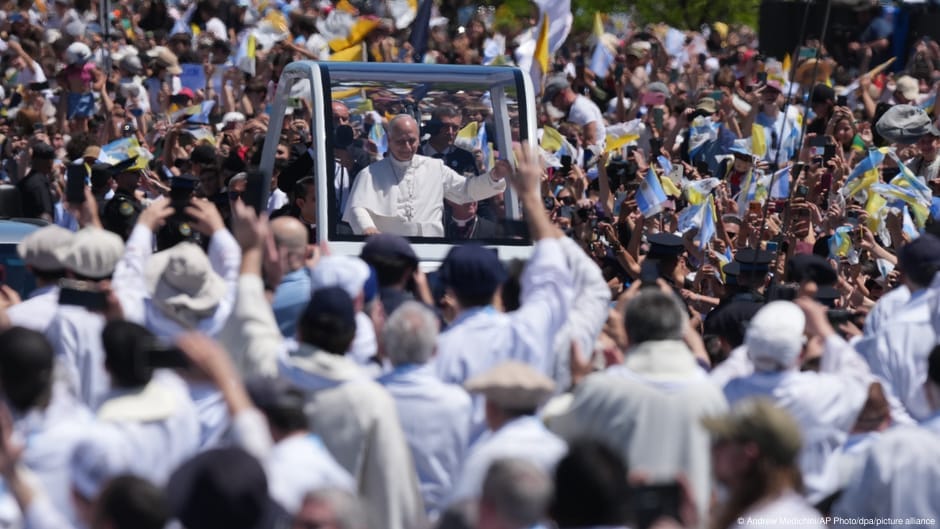
On a Monday that felt less like a standard diplomatic visit and more like a spiritual reckoning, the streets of Buenos Aires transformed. An estimated 2.5 million people—a staggering crowd that set a record for his papacy—gathered for an open-air mass led by Pope Leo XIV. The sheer scale of the assembly was a phenomenon in itself, a massive demonstration of devotion that had not been seen on this level in the nation since 1987, when Pope John Paul II celebrated his last papal mass in Argentina. For the millions in attendance, the day was a celebration; for the Vatican, it was a testament to a resilient faith.
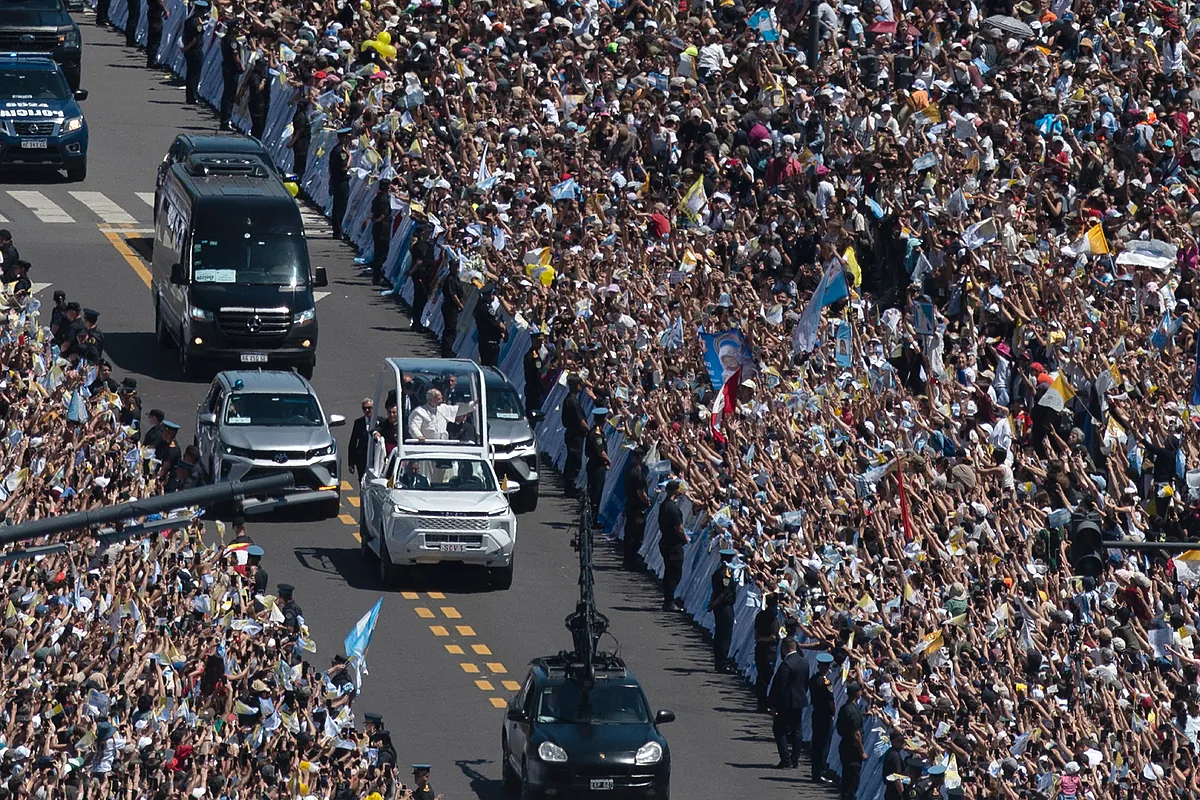
"It fills my heart with joy to celebrate... with you," the Pope remarked, his voice carrying across the vast expanse of the crowd. He noted the palpable energy of the assembly, telling the faithful, "My trip to Argentina allowed me to see on your faces the enthusiasm of your faith." It was a moment of profound connection, a visual representation of the religious heartbeat that continues to pulse through the country.
This display of spiritual vigor arrived at a time when the Pope himself was navigating his own physical vulnerabilities. In October, Leo XIV underwent surgery to address a small pulmonary growth. Despite the recent medical procedure, the Pontiff refused to cancel his tour, choosing instead to press forward with his mission. This personal resilience seemed to mirror the strength he observed in the Argentine people, as he moved from the massive public square to the more intimate, quiet corners of social service.
For Leo XIV, the economic math of the state cannot be separated from the moral math of the soul.
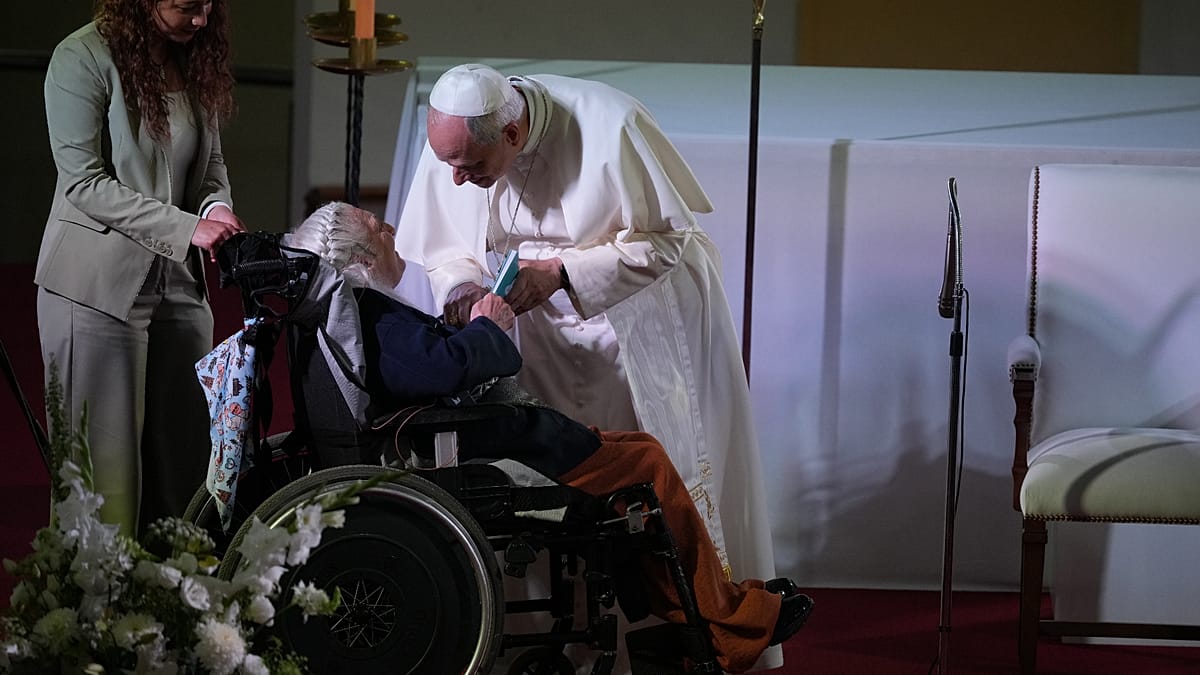
Before the mass, the Pope sought out those living on the margins, visiting a center dedicated to people with disabilities. Among the residents and staff of the Cottolengo Don Orione care center, which houses 400 people, the Pope engaged in direct interaction, bridging the gap between the highest office in the Catholic Church and those who often struggle to be seen by the state.

Pope Leo urged Javier Milei to maintain Latin American unity upon his arrival in Argentina, where the libertarian president has refused to acknowledge an upset leftist victory in neighboring Brazil. https://t.co/hovzrKeMtQ
It was during these visits to the vulnerable that the Pope’s message shifted from the celebratory to the cautionary. While the mass was a triumph of numbers, his presence at the care center was a focused critique of the current political climate. The Pope’s visit coincided with a period of intense economic restructuring under President Javier Milei, whose administration has implemented significant austerity measures.
For Leo XIV, the economic math of the state cannot be separated from the moral math of the soul. "A nation's progress is also measured by how it welcomes all people with disabilities and particular needs," he stated, framing social care not as a budgetary luxury, but as a fundamental metric of national success.
The tension between the Vatican’s plea and the Milei administration’s direction is not merely rhetorical; it is etched into the legislative history of the country. The struggle over social protections has been a defining feature of the current era, marked by significant friction between the executive and legislative branches.
This political tug-of-war creates a complex landscape for the most vulnerable citizens. As the government seeks to tighten the belt through austerity, the legislative branch has occasionally acted as a brake, attempting to preserve the services that the Pope has identified as essential to the nation's character. The Pope's presence in Buenos Aires served to highlight this friction, placing the human cost of fiscal policy directly in the path of the political discourse.
As the dust settles on this historic gathering in Argentina, the Pope’s journey is far from over. The momentum of the Buenos Aires mass carries him toward Peru, where his mission will continue under the theme 'Open Our Hearts.' He is scheduled to remain in Peru until November 17, continuing a tour that has already redefined the scale of his papacy.
Yet, beneath the celebration and the record-breaking crowds, the central question remains: how will the nation balance its economic ambitions with the protection of those who need it most? The Pope has laid out the moral framework; the political reality continues to unfold in the halls of Congress and the streets of the cities.