
In the high-stakes arena of Indian federalism, numbers are rarely just statistics; they are the very architecture of influence. For decades, a quiet anxiety has simmered in the southern states of India—a fear that as their populations stabilize, their political voice in the national parliament might begin to fade. This tension centers on the process of delimitation, the periodic redrawing of electoral boundaries based on population shifts. When representation is tied strictly to headcount, states that have successfully managed population growth risk seeing their seat counts dwindle relative to the rest of the country.
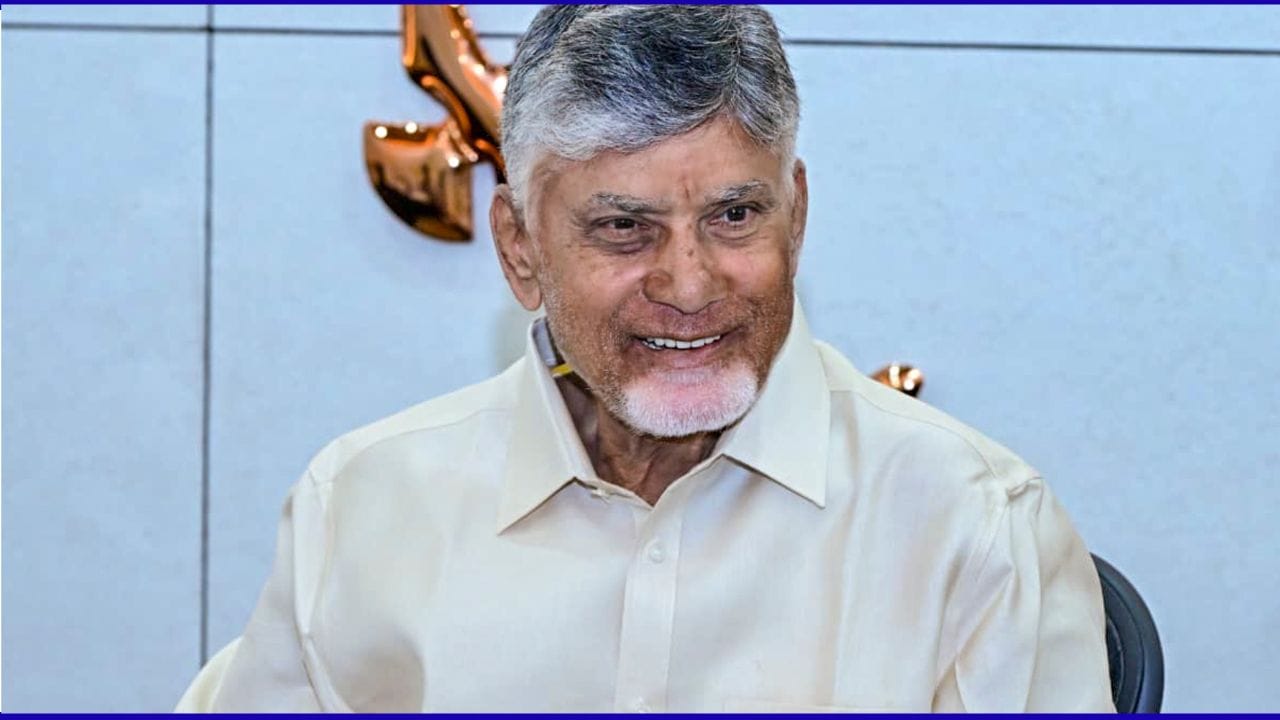
On November 27, in the political heart of Delhi, Andhra Pradesh Chief Minister N. Chandrababu Naidu stepped into the spotlight to address this existential concern. Standing alongside Union Minister H.D. Kumaraswamy at a joint press conference, Naidu did more than just offer political platitudes; he signaled a decisive alignment with the central government's legislative roadmap. The proposal at hand is transformative: a plan to increase the number of Lok Sabha seats by 50% and implement a 33% reservation for women in the legislature.
For Naidu, the proposed 50% increase in parliamentary seats is not merely an expansion of bureaucracy, but a vital safeguard for regional equity. The core of the South Indian concern is that under traditional delimitation models, the progress made in population control could lead to a mathematical penalty. If seats are redistributed based solely on the most recent census data, the southern states could face a heavy loss of influence, effectively muting their ability to shape national policy.
This move seeks to fundamentally alter the face of Indian governance by ensuring that women hold a significant, protected portion of legislative power.
Naidu framed the government's decision as a direct response to these regional anxieties. By expanding the total number of seats, the central government offers a way to grow the parliament without forcing a zero-sum game where southern representation is sacrificed to accommodate northern population surges. It is a move designed to prevent the historical shifts in party representation that have previously altered the political landscape of the southern states.
During the press conference, Naidu leaned heavily into the governing philosophy of Prime Minister Narendra Modi, citing the principle of 'Sabka Saath, Sabka Vikas'—or 'Together with All, Development for All.' He characterized the decision to expand the Lok Sabha as a historic step that aligns with this inclusive vision. By increasing the scale of the legislature, Naidu argues, the government is ensuring that the democratic process remains robust and representative of a changing nation.
"PM Modi has done something extraordinary... The 50% increase is the best solution... It is a win for everyone," Naidu remarked, emphasizing that the expansion serves as a mechanism to prevent the political marginalization of entire regions. For the Chief Minister, the math works in favor of national stability: if every region feels it has a seat at the table, the legitimacy of the central government is strengthened.
While the expansion of seats addresses the geography of power, the second pillar of the legislative proposal addresses its demographic composition. The bill includes a mandate for 33% reservation for women in the Lok Sabha. This move seeks to fundamentally alter the face of Indian governance by ensuring that women hold a significant, protected portion of legislative power.
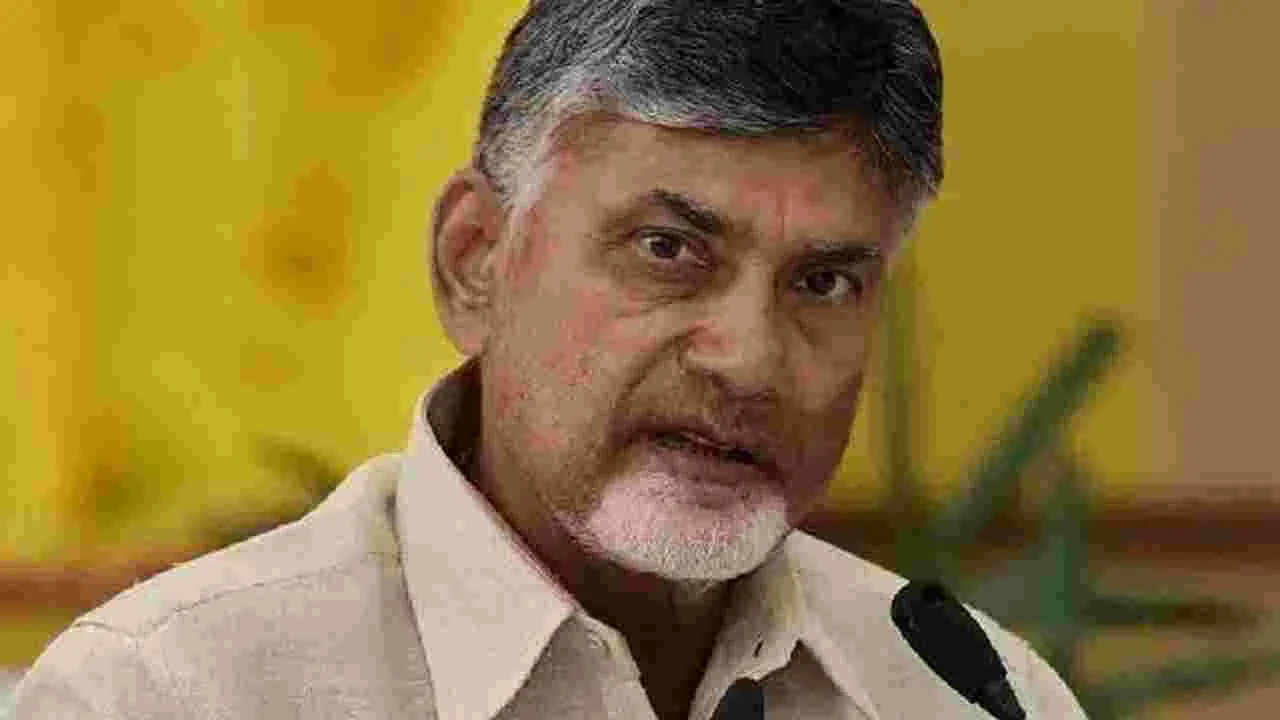
Naidu was vocal in his support for this measure, linking the success of the nation to the status of its women. He argued that respecting and empowering women through legislative quotas is not just a matter of social justice, but an essential requirement for the country's future success. The integration of women into the highest levels of decision-making is presented as a necessary evolution for a modern democracy.
Despite the enthusiasm expressed by Naidu and his allies, the path forward requires more than just individual support; it requires a broad political consensus. The implications of delimitation and seat expansion touch upon the very core of how India is governed, affecting everything from budget allocations to the weight of regional interests in national lawmaking.
Naidu emphasized that for the nation to progress, there must be a unified political front on these issues. The ability to navigate these structural changes without triggering regional resentment is the primary challenge facing the current administration. The goal is to move toward a larger, more inclusive parliament that reflects the complexities of a massive, diverse population without leaving any single region behind.
As the political landscape shifts, the clock is ticking toward the next parliamentary session, scheduled to begin on November 30. The announcement of support from key allied parties, including the TDP, provides a significant boost to the central government's efforts to pass the delimitation bill.
With the groundwork laid in Delhi, the focus now turns to the floor of the Parliament. The coming days will determine whether the proposed expansion and the gender reservation can move from a vision of 'Sabka Saath' into the reality of law. For Andhra Pradesh and the wider South Indian bloc, the outcome of this legislative push will define their political relevance for a generation to come.