History is often written by the victors, but it is frequently revised by those who lived through the chaos. On November 15, 2026, Joe Biden released his memoir, a document that serves as both a defense of a legacy and a sharp-edged critique of the world he attempted to navigate. Released in the wake of Democratic midterm gains, the book does not shy away from the friction points of his presidency. Instead, it leans into them, offering a retrospective that is as much about the people he worked with—and those he found impossible to trust—as it is about the policies themselves.
One of the most contentious chapters of the Biden presidency remains the withdrawal from Afghanistan, a move that continues to haunt the American political landscape. In his memoir, Biden stands firm on the decision, defending the withdrawal despite the visible anxieties of his own inner circle. He notes that the decision was made amidst concerns from Defense Secretary Lloyd Austin and General Mark Milley, yet he maintains that the choice was correct.
The tragedy, Biden suggests, lay in the speed of the unraveling. The Afghan government had been assured it could stand for six months following the departure of U.S. troops, but that assurance proved to be a hollow one as the government collapsed with startling rapidity. For Biden, the memoir serves as a way to contextualize a moment where the gap between strategic intent and ground reality became a chasm.
He praises Zelensky’s background in acting, noting that the skill set proved unexpectedly useful for wartime leadership.

'He Had No Intention Of Keeping His Word': Joe Biden's Take On Benjamin Netanyahu https://t.co/gfmlBmlDuB https://t.co/PufIFeXf1j
While the shadows of Afghanistan loom large, Biden’s reflections on the current state of global leadership offer a study in contrasts. He looks toward Eastern Europe with a nuanced eye, offering a character study of two men who have become symbols of the modern era. Regarding Russian President Vladimir Putin, Biden offers critical observations of his demeanor, painting a picture of a leader whose presence demands a specific kind of vigilance.
In stark contrast, Biden finds a surprising asset in Ukrainian President Volodimir Zelensky. He praises Zelensky’s background in acting, noting that the skill set proved unexpectedly useful for wartime leadership. In the high-stakes theater of international diplomacy and survival, Biden suggests that the ability to command a narrative is not just a talent, but a necessity of statecraft.
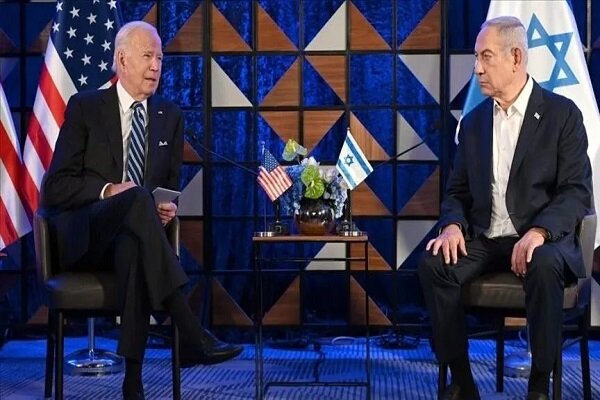
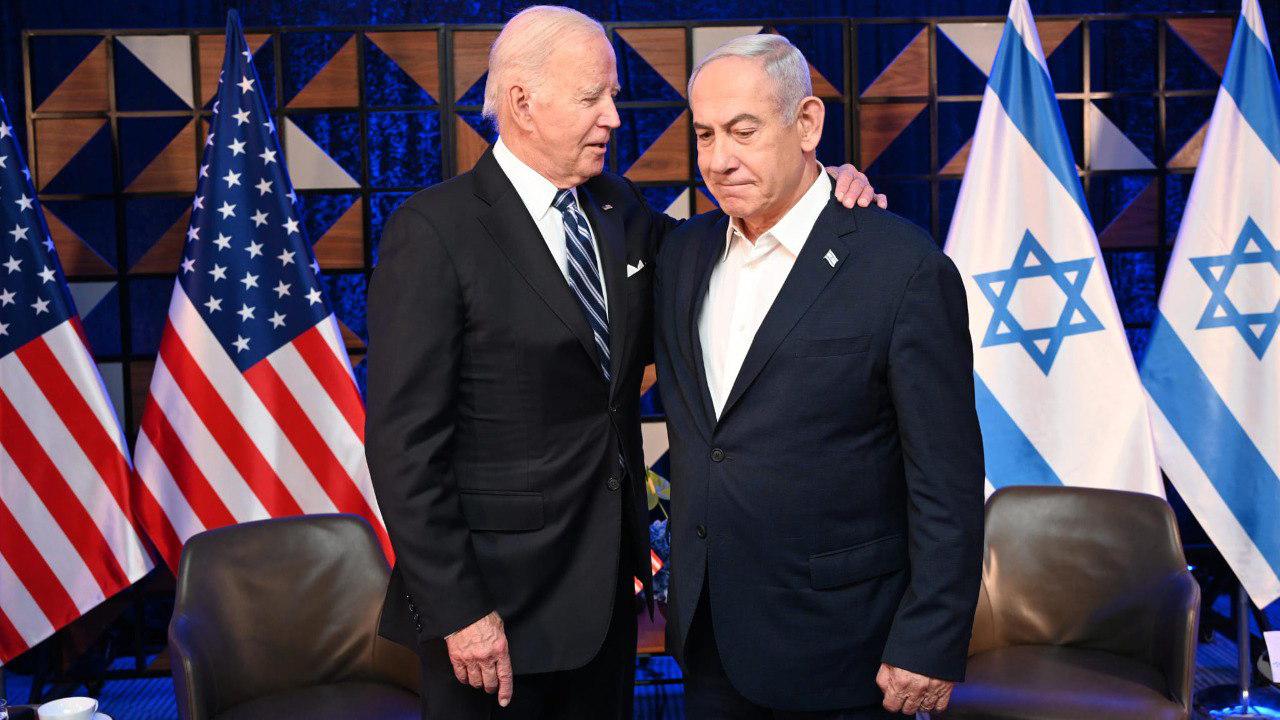
Perhaps the most striking revelation in the memoir is the profound breakdown in the relationship between Biden and Israeli Prime Minister Binyamin Netanyahu. For years, the alliance between the United States and Israel has been viewed as a bedrock of Middle Eastern policy, but Biden’s writing reveals a foundation that was deeply cracked.
Biden describes a relationship defined not by synergy, but by suspicion. He writes of a leader who, in his view, was increasingly detached from the collective interests of the state in favor of his own political longevity. This is not merely a disagreement over policy; it is a fundamental clash of philosophies regarding the role of a leader in a democracy.

'Netanyahu made promises he did not intend to keep’: Joe Biden on Gaza civilian killings in new memoir https://t.co/fneLGyikRo
Biden’s critique of Netanyahu is visceral and personal. He does not mince words when describing the Israeli Prime Minister’s approach to governance, suggesting that Netanyahu’s primary compass was his own political survival. "There wasn't much trust," Biden admits, revealing the internal tension that characterized their interactions.
He draws a direct line between the political style of Netanyahu and that of Donald Trump, noting a shared tendency toward a certain kind of political fluidity. "I was worried about Bibi's tendencies similar to Trump's," Biden writes. "He could be extremely flexible regarding facts, and was never shy about bending democratic institutions for his personal gain."
As the memoir moves through the complexities of Middle Eastern geopolitics, it inevitably confronts the visceral reality of the Israel-Hamas conflict. The text marks the beginning of this era with the events of October 7, 2023, which triggered the ongoing violence.
While the political maneuvering of leaders takes center stage in much of the book, Biden allows space for the profound human tragedy that accompanies such geopolitical shifts. He expresses deep sorrow over the deaths of Palestinian civilians, a sentiment that underscores the heavy emotional toll of the conflicts he was tasked with managing. It is a moment of reflection that moves the narrative from the halls of power to the reality of the ground.

‘There Wasn't Much Trust’: Joe Biden Opens Up About Relationship With Netanyahu #JoeBiden #Netanyahu https://t.co/7oiF6OqlQz
As the memoir concludes, it leaves the reader with a sense of a world in transition, governed by leaders who are often at odds with the very institutions they represent. Biden’s reflections do not offer easy answers or a sense of closure. Instead, they provide a window into the difficulty of maintaining international stability when the personal ambitions of leaders begin to outweigh the long-term interests of their nations. The book stands as a testament to a presidency defined by difficult choices, broken promises, and the enduring struggle to uphold democratic norms in an increasingly volatile age.