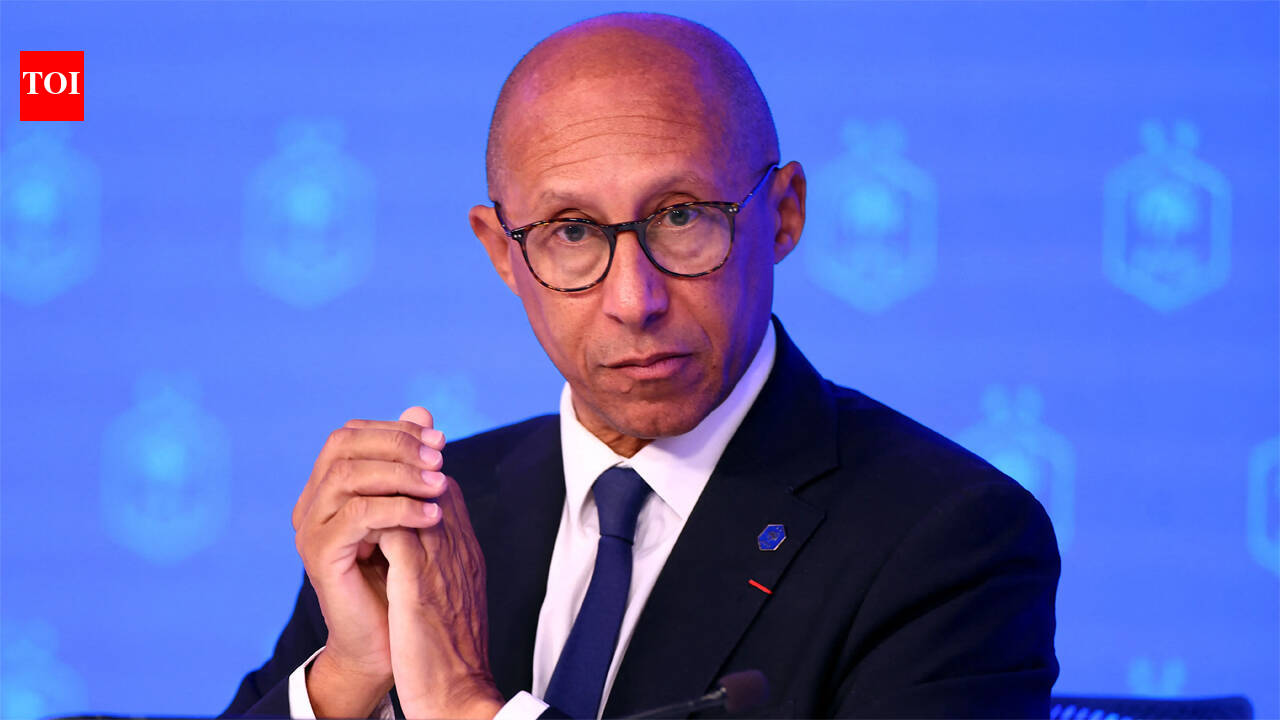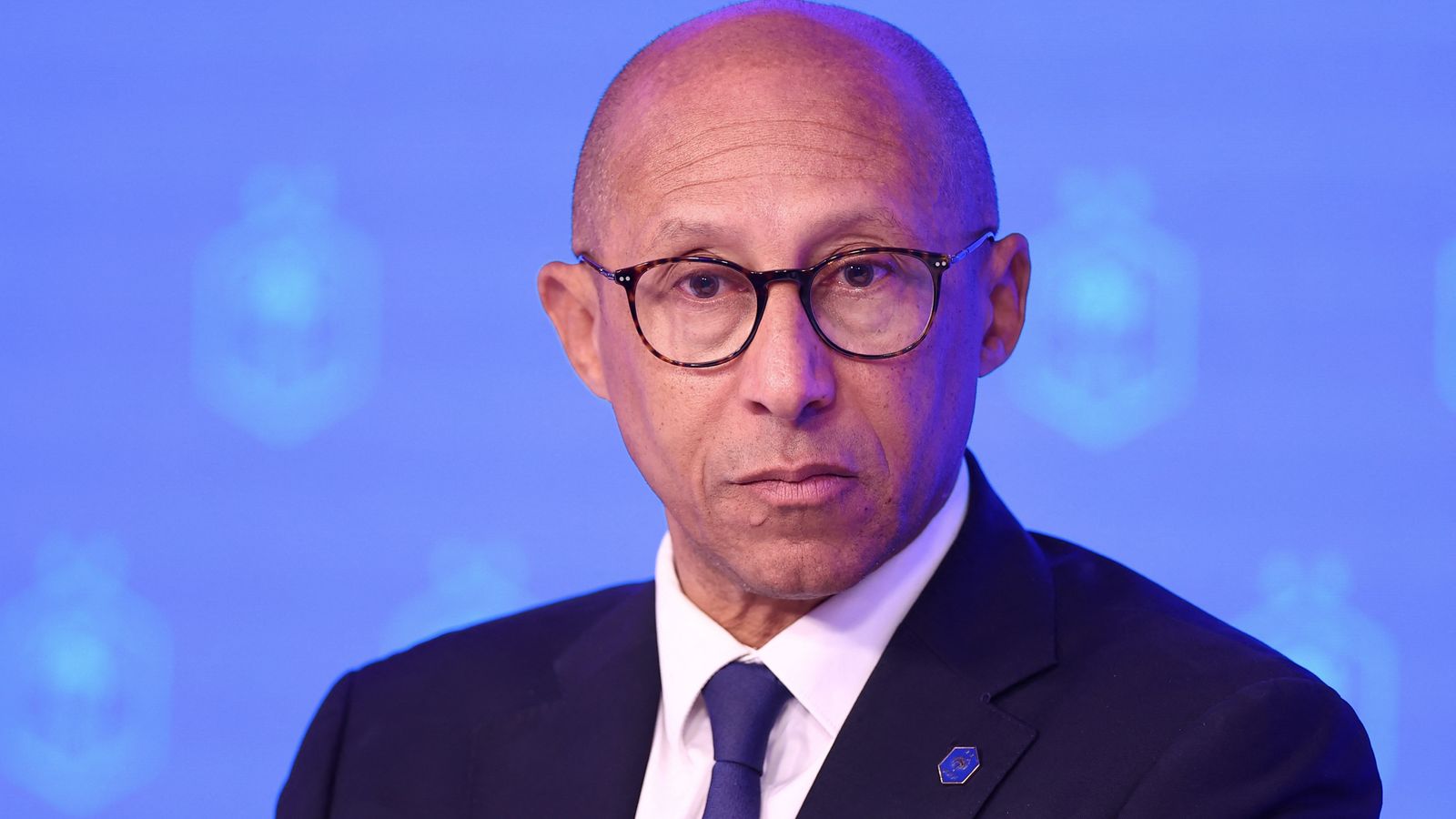
In the high-stakes world of international football, a seismic shift is underway. On November 16, 2026, UEFA, the Union of European Football Associations, made a move that sent ripples across the global game: the official endorsement of Philippe Diallo as its candidate for the FIFA presidency. The 63-year-old French Football Federation president, who has risen through the ranks of French football administration, now stands as the unified European choice to challenge incumbent FIFA president Gianni Infantino in the upcoming election scheduled for March 18, 2027, in Rabat, Morocco.

Diallo's journey to this pivotal moment has been both rapid and deliberate. He first took the helm of the French Football Association (FFF) on an interim basis in January 2023 following the resignation of Noël Le Graët. Just five months later, in June 2023, he secured the permanent presidency, a position he reinforced with re-election in December 2024. Alongside his leadership of the FFF, Diallo has also maintained a four-year term on the UEFA Executive Committee, positioning himself at the intersection of French and European football governance.
The nomination was not merely a procedural step but a deliberate statement of intent. During the UEFA Executive Committee meeting, all national associations represented on both the UEFA Executive Committee and the FIFA Council extended their unanimous support to Diallo. As UEFA's statement declared: "In a meeting held today (November 16, 2026), chaired by UEFA President Aleksander Ceferin, the national associations represented on the UEFA Executive Committee and the FIFA Council invited Philippe Diallo, president of the French Football Federation (FFF), to stand as a candidate for the FIFA presidency in the March 2027 elections, unanimously expressing their full support."
UEFA highlights his extensive experience across all levels of football administration.
Behind this unified endorsement lies a deeper concern about the current state of world football's governing body. UEFA's communications have made clear that the European associations view FIFA's trajectory with alarm. "Against the backdrop of serious concerns over the direction of FIFA, the national associations called for renewed unity and trust within the global football community," UEFA stated in its official release. This sentiment echoes earlier French press reports suggesting that "UEFA wishes the downfall of the Italian-Swiss leader since his project, announced this summer and ultimately aborted, to open FIFA to private investors through a commercial company."
The European football establishment appears to have found in Diallo a leader capable of addressing these concerns. UEFA highlights his extensive experience across all levels of football administration. "Philippe Diallo has extensive experience at all levels of football: he has led the organization representing French professional football clubs, has been on the board of the French professional league, and has participated in FIFA's dispute resolution structures before becoming president of the FFF and a member of the UEFA Executive Committee in 2023," the organization noted. This breadth of experience positions him as a contrast to the incumbent, whose leadership has increasingly come under scrutiny.
Diallo now faces the formidable task of unifying football's diverse constituencies while challenging an incumbent president who has led FIFA. The election will mark the 77th FIFA Congress, a gathering where the future direction of world football will be decided. UEFA's endorsement represents significant momentum, but global football governance extends far beyond European borders, presenting Diallo with a complex political landscape to navigate.
As the football world looks toward March 2027, the stage is set for what promises to be a consequential presidential election. The nomination of Diallo by UEFA signals not merely a change of candidate but a potential shift in philosophy at the highest levels of football administration. With concerns about governance, transparency, and the commercialization of the game driving this political maneuvering, the coming months will determine whether Diallo can translate European support into a truly global mandate for change.