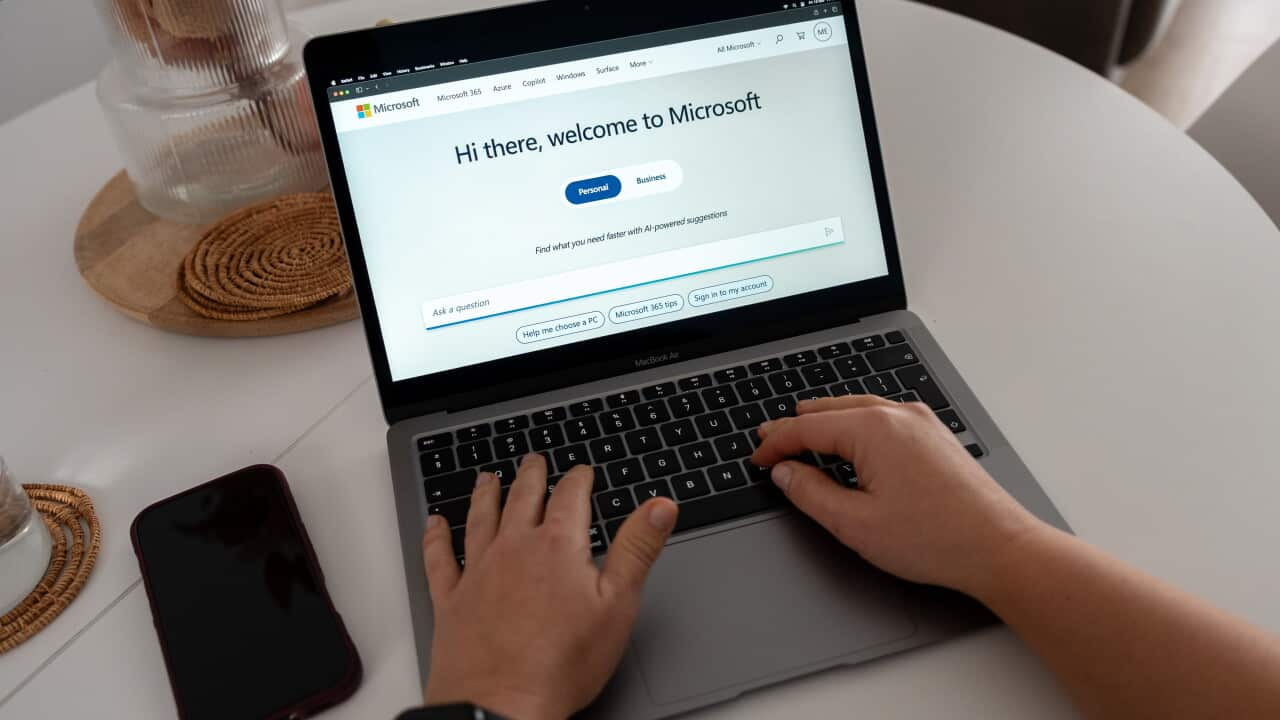
On a seemingly ordinary day in November 2026, the digital world ground to a halt. Microsoft services, the backbone of modern business communication worldwide, suddenly stopped working. For millions of users across the globe, the familiar blue loading screens never resolved. Outlook emails wouldn't send, Teams meetings couldn't start, and the AI-powered Copilot fell silent. What began as a minor technical hiccup quickly escalated into a 24-hour global outage that would cost businesses an estimated $300 to $500 million in insured losses alone.
The sheer volume of affected users was staggering. Microsoft boasts 450 million paid user licenses worldwide, making this outage one of the most significant digital disruptions in recent history. Downdetector, a service that tracks internet outages, recorded over 7.4 million reports during the crisis. At its peak, the system was flooded with 20,000 complaints per minute—a rate that overwhelmed monitoring services and highlighted just how dependent we've become on these digital tools.

20,000 complaints per minute. How was the Microsoft outage fixed? https://t.co/f3o5PW1tzV @SBSNews
For individual users and businesses alike, the outage wasn't just an inconvenience—it was a crisis. Companies that rely entirely on Microsoft services for communication, collaboration, and operations found themselves paralyzed. Employees couldn't access critical documents, managers couldn't coordinate teams, and customer service departments went dark. The financial impact rippled through economies, with insured losses estimated between $300 million and $500 million globally, according to Mario De Cicco of Morningstar DBRS.
The incident served as a stark reminder that even the most robust digital infrastructure can fail, and when it does, the consequences are felt worldwide.
Microsoft engineers worked around the clock to diagnose and resolve the issue. The company confirmed full recovery of its services on November 14, 2026, though the exact technical details of the fix remained proprietary. For users, the return to normalcy was gradual as systems came back online one by one. The incident served as a stark reminder that even the most robust digital infrastructure can fail, and when it does, the consequences are felt worldwide.

20,000 complaints per minute. How was the Microsoft outage fixed? https://t.co/qgsJIRK95K
Experts say the outage exposed critical vulnerabilities in how we approach digital communication. "If you're a Telstra customer, you need to have an Optus SIM card or something on another network as a backup," suggests Mark Gregory, a telecommunications expert. "If you're an Outlook or Microsoft user, you keep a Google or Gmail account as a backup so that you're still able to communicate or receive emails."
The Microsoft outage wasn't an isolated incident but part of a growing pattern of digital disruptions that reveal how fragile our interconnected systems have become. When one major service fails, the effects cascade through networks, businesses, and personal lives. The 2026 incident demonstrated that our increasing reliance on centralized digital platforms creates single points of failure that can bring entire organizations to a standstill.

🚨 MICROSOFT OUTAGE: 74 COUNTRIES IN ABOUT ONE HOUR. Downdetector reports peaked at 19,650 per minute across five Microsoft services—compared with fewer than 15 normally. Outlook complaints surged more than 2,000-fold. Microsoft says servers unexpectedly dropped out of service, overwhelming the remaining infrastructure. A global technology giant brought to its knees by its own infrastructure. This wasn't a traffic surge. It was a capacity failure. Source: Downdetector / Microsoft, November 12.
In the aftermath, businesses and individuals alike are reevaluating their digital contingency plans. The consensus among experts is clear: redundancy is no longer optional but essential. This means maintaining alternative communication channels, secondary email accounts, and backup systems that can be activated when primary services fail. The cost of implementing these safeguards pales in comparison to the potential losses during a prolonged outage.
For users, the experience served as a wake-up call about our digital dependencies. As we continue to migrate more aspects of our work and personal lives online, the Microsoft outage stands as a cautionary tale about the importance of maintaining diverse, resilient digital ecosystems. The next time your email service goes down, you might be glad you took the advice to keep a backup account ready.