
In the diplomatic corridors of power, even a single meeting can signal shifting winds. On November 9, 2026, such a signal emerged from the White House, where a carefully orchestrated conversation between United States President Donald Trump and Qatari Prime Minister Sheikh Mohammed bin Abdulrahman Al Thani suggested a renewed effort to navigate the complex terrain of relations with Iran.
In the world of high-stakes diplomacy, the word "positive" carries significant weight. When applied to talks between nations with a history of tension, it suggests movement away from entrenched positions toward common ground. The assessment, reported by Xabaronline and citing Axios senior reporter Barak Ravid, indicates that both sides found value in the exchange—a crucial first step in any negotiation process. For Qatar, a nation that maintains delicate relationships across the Middle Eastern political spectrum, such talks represent an opportunity to position itself as a constructive mediator. For the United States, they represent a potential pathway to address one of the region's most persistent challenges.

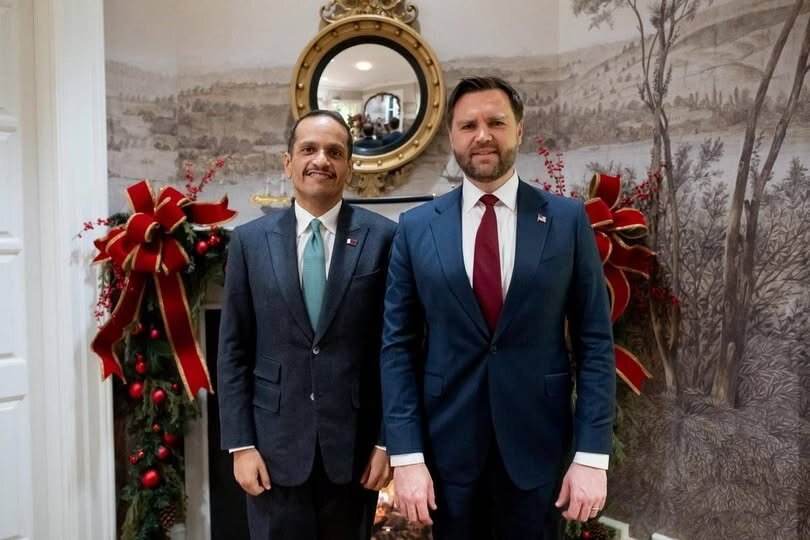
Qatar’s PM Sheikh Mohammed bin Abdulrahman Al Thani says talks with US President Donald Trump and VP JD Vance in Washington were “positive”, focusing on advancing US-Iran negotiations, reaching a deal and bringing peace to the region. 🔴 LIVE updates: https://t.co/j5JxfVb7KK https://t.co/Tze1llGiu1
The heart of the diplomatic exchange occurred in a bilateral meeting between President Trump and the Qatari Prime Minister, a session that lasted approximately 45 minutes around noon at the White House. In the compressed timeframe of modern diplomacy, such a focused discussion suggests a deliberate concentration on specific objectives. The agenda, according to reports, was narrow but significant: the Iran negotiations file and strategies to contain the regional crisis that has simmered for years. This specificity indicates that both sides recognized the need for targeted discussions rather than broad, unfocused dialogue.
The agenda, according to reports, was narrow but significant: the Iran negotiations file and strategies to contain the regional crisis that has simmered for years.
Beyond the positive assessment and the specific meeting duration, the substance of the talks pointed toward a pragmatic approach to one of the world's most intractable diplomatic challenges. The discussions centered on "examining practical mechanisms to advance dialogues and reach an agreement with Iran." This language suggests a move beyond theoretical discussions toward actionable steps—perhaps confidence-building measures, communication channels, or frameworks for incremental progress. In diplomatic terms, such practical mechanisms represent the building blocks of any potential agreement, transforming abstract concepts into concrete pathways for negotiation.
Qatar's involvement in these talks highlights its unique diplomatic position in the Middle East. The Qatari Prime Minister's presence at the White House underscores the recognition that third-party mediators often play crucial roles in breaking diplomatic deadlocks.
The "positive" assessment of these talks, while encouraging, represents merely one step in what promises to be a lengthy and complex diplomatic process. The 45-minute meeting between Trump and the Qatari Prime Minister, focused as it was on practical mechanisms for Iran negotiations, suggests a recognition that progress requires more than rhetorical shifts—it requires concrete, actionable approaches. As the region continues to grapple with the implications of Iran's nuclear program, regional influence, and relationships with global powers, these initial diplomatic overtures may mark the beginning of a new chapter in Middle Eastern diplomacy—one where dialogue, however difficult, remains preferable to the alternative.