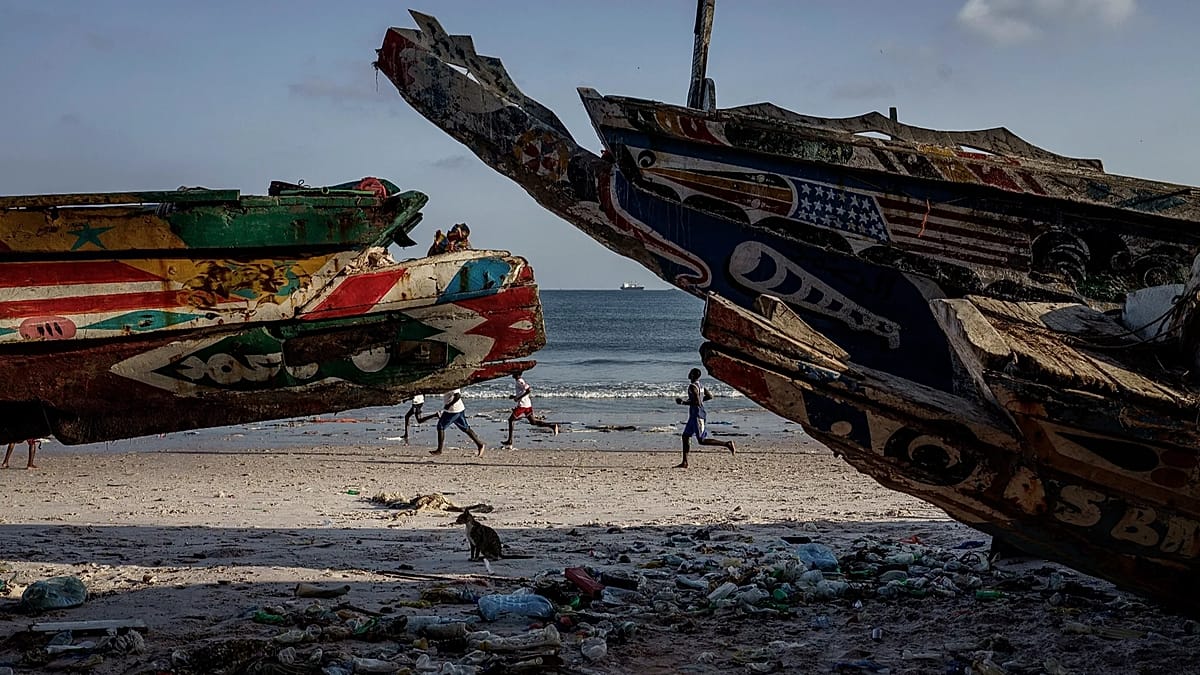
The ocean off the coast of Kébémer, in northwestern Senegal, is where one of the most recent tragedies in the migrant crisis began. On November 7, the Senegalese Ministry of Interior announced that at least 21 people died in the sinking of a pirogue, a traditional wooden canoe often used for smuggling, carrying migrants who were attempting to cross the Atlantic. The newspaper Le Soleil reported the sinking occurred near Loumpoul, in the Louga region. The Senegalese government announced that competent services are mobilized to continue searches and assist survivors and families.
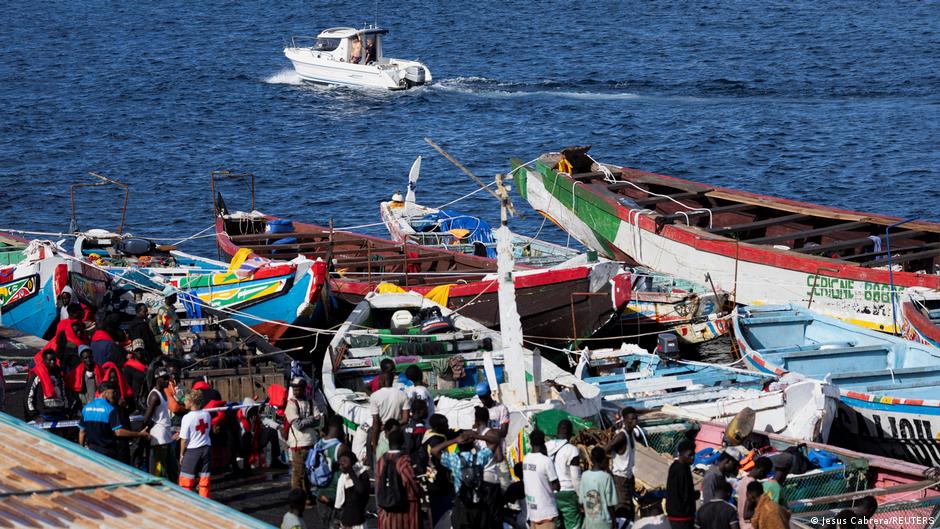
The scale of the loss is difficult to comprehend, yet it follows a grim pattern for this region. This tragedy adds to a high casualty count of West Africans who attempt to reach Europe via the Atlantic route, specifically targeting the Canary Islands. For those navigating this maritime frontier, the water is as much a barrier as a passage. The Senegalese government has expressed its condolences and reaffirmed its commitment to combating people-smuggling networks that operate in the shadows of this desperate migration.
Just as the reality of the Kébémer sinking was settling in, authorities were already dealing with a parallel crisis further south. On November 7, Senegalese gendarmerie intercepted 142 clandestine migrants off the coast of Dakar. Among these 142 were women and children, a demographic detail that often humanizes the statistics in official reports.
Smugglers adapt, and migrants have little choice but to follow the new, dangerous routes that these operational changes have created.
While the focus in Senegal was on these two distinct but connected maritime events, the broader context of the Atlantic route was highlighted by the International Organization for Migration (IOM). The organization notes that this specific waterway is a key pathway for West African migrants traveling to Europe. The route is not just a line on a map but a journey that now stretches up to 2,200 kilometers for some, adding 750 kilometers of extra distance compared to traditional paths.

Fewer West Africans are making it to Europe by sea, but tougher border controls are pushing people onto longer and riskier journeys. In the first half of 2026, the number of arrivals from Mali, Senegal, Guinea and The Gambia fell by 59 percent from the year before, with the IOM recording 4,566 people. Even so, more West African migrants are turning to Mediterranean routes, suggesting the movement is shifting rather than disappearing. Arrivals on the Canary Islands dropped by 62 percent, yet the number of deaths and disappearances at sea stayed roughly the same, showing the dangers remain.
Why do so many continue to take this lethal risk? A significant driver is the geography of interception. This displacement means that the journey is not just longer, but more treacherous. Smugglers adapt, and migrants have little choice but to follow the new, dangerous routes that these operational changes have created. The result is a constant churn of departures into waters that are notoriously difficult for small, overcrowded vessels.
The isolation of the Senegalese incident is a mirage; the migrant crisis is a transnational phenomenon. While the search for missing persons in Senegal was ongoing and families were being assisted, a related disaster was unfolding in the Mediterranean just days before. On November 4, 59 people went missing after a boat sank near the Greek island of Crete. The distress in that zone continued to generate casualties; on November 8, another man was found dead among 28 survivors who had been taken from a distress vessel in the same area.
These parallel tragedies—the one in the cold, vast expanse of the North Atlantic, the other in the warmer waters of the Mediterranean—serve as a reminder that the desperation for entry into Europe is not confined to a single corridor. The loss of life in Kébémer and Crete are distinct events with different geographies, but they are united by the sheer number of people attempting to cross a sea that offers no safety net.
In its official communication, the Senegalese Ministry of Interior took a specific, solemn tone. The ministry stated that competent services were mobilized to continue searches, assist any potential survivors, and support the families of the deceased. The Minister for Interior and Public Security paid tribute to the memory of the victims on behalf of the President of the Republic and the government, offering sincere condolences to the bereaved.
This official response serves two purposes: it validates the grief of the families in the Louga region and signals to the international community that Senegal is actively managing the crisis at its shores. The mobilization of 'competent services' indicates a state apparatus that, while perhaps outmatched by the scale of the smuggling networks, is engaged in the immediate logistics of recovery and care.
Behind the figures of at least 21 dead and 142 intercepted lies the reality of the individuals involved.
The International Organization for Migration frames these lives as part of a larger systemic issue. The Atlantic route is not just a danger to the migrants; it is a systemic

Disaster · Atlantic Ocean off Senegal The United Nations' International Organization for Migration (IOM) says the dangerous Atlantic Route is a key pathway for West African migrants travelling… Reported by 2 independent outlets. Sources: @euronews @AJEnglish #OSINT https://t.co/7PgR6aH3MJ