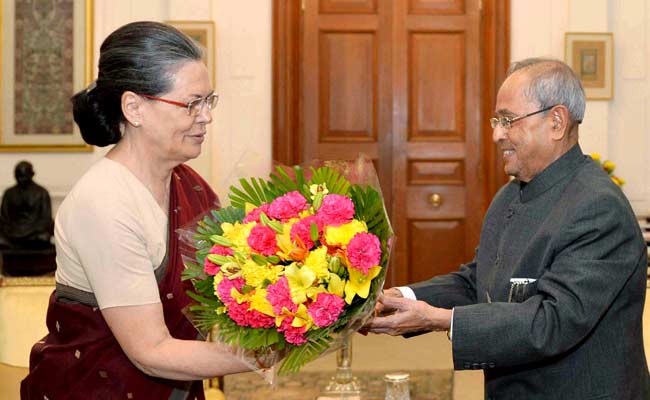
On a Tuesday in November 2026, a new volume arrived on bookshelves that promised to do more than just recount a life; it sought to settle a legacy. Sonia Gandhi’s autobiography, titled Belonging: A Journey of Love, spans 526 pages of personal history and political reckoning. For decades, the corridors of Indian power have been filled with whispers regarding the true nature of authority during the United Progressive Alliance (UPA) years—whispers that suggested the real decisions were made not in the Prime Minister's office, but within the inner sanctum of the party leadership.
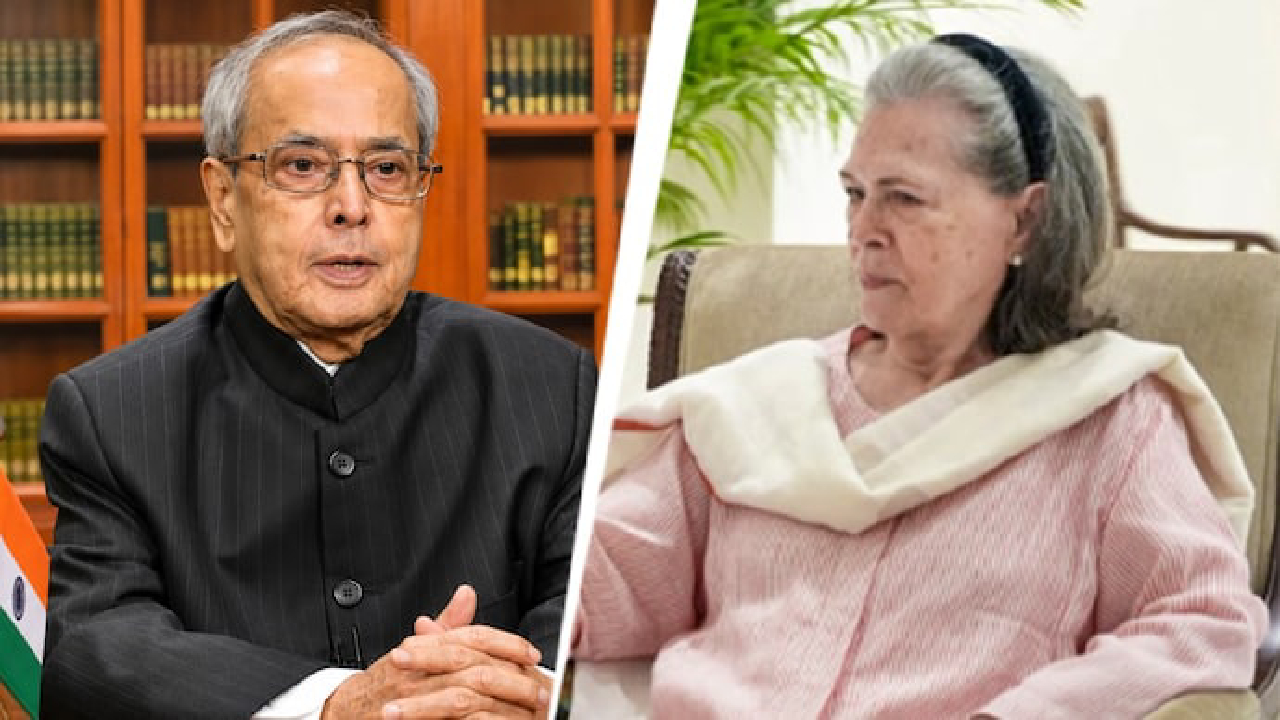
In this expansive work, Gandhi does not merely recount events; she confronts the persistent shadows that have trailed her political career. The book serves as a direct response to years of speculation regarding her influence over the government led by Manmohan Singh, attempting to draw a definitive line between the machinery of the state and the leadership of the party.
One of the most striking revelations within the memoir involves a quiet, high-stakes conversation that took place in 2010. At that time, the political landscape was shifting, and the internal dynamics of the Congress party were under constant scrutiny. According to Gandhi, it was during this year that Pranab Mukherjee, a towering figure in Indian politics, signaled his own aspirations.
To understand Gandhi's defense, one must understand the structural distinction she draws between the party and the state.
Mukherjee, a man known for his deep institutional knowledge and political maneuvering, reportedly suggested to Gandhi that the political moment was ripe for a transition. "The time has come for a change in leadership," he is quoted as saying, hinting at a desire to ascend to the highest office in the land: the Prime Ministership. It was a moment of profound tension, a suggestion of a shift in the tectonic plates of the UPA. However, Gandhi recounts how she deflected the suggestion, maintaining the status quo of the leadership at that time.

'Pranab Mukherjee Shocked Me With Change At Top Suggestion': Sonia Gandhi https://t.co/rq08f0IVrq https://t.co/GZSUN89fSS
For years, critics and political opponents have leveled a specific, stinging accusation against Gandhi: that she acted as a 'back-seat driver' for the Manmohan Singh administration. The narrative suggested that while Singh held the title of Prime Minister, the actual levers of governance were being pulled by Gandhi from her position as party president. This perception of a dual power center has been a central theme in the critique of the UPA's tenure.
In Belonging: A Journey of Love, Gandhi meets these allegations head-on. She does not shy away from the controversy, instead characterizing the claims of administrative interference as nothing more than malicious lies. To Gandhi, the distinction between party leadership and government administration was not a blurred line, but a clearly defined boundary that she strictly respected.
To understand Gandhi's defense, one must understand the structural distinction she draws between the party and the state. She asserts that the UPA functioned through a disciplined separation of duties. In her own words, the hierarchy was clear: "Dr. Manmohan Singh led the government, while the responsibility of the party was mine."
This distinction is the cornerstone of her rebuttal. By framing her role as strictly centered on the party's direction and Singh's role as the executive head of the nation, she attempts to dismantle the image of a shadow government. She argues that the division of responsibilities was not only present but was a functional necessity of their political arrangement, rejecting the notion that she overstepped into the realm of policy or governance.

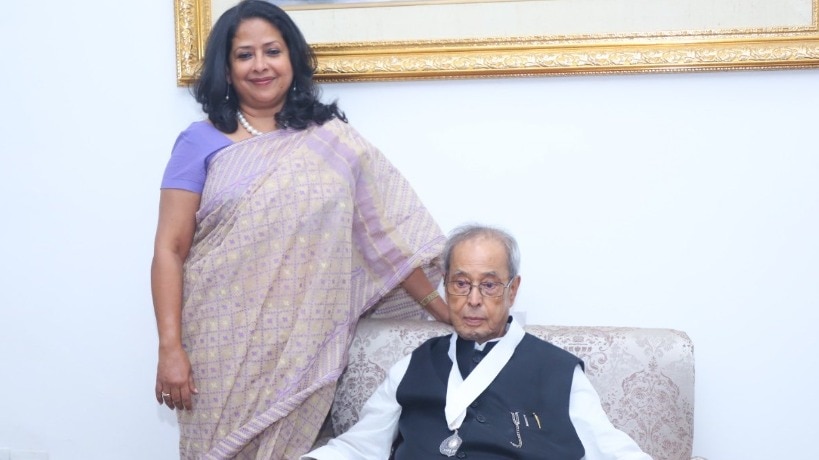
Sharmistha Mukherjee, daughter of former President Pranab Mukherjee, has hit back at Sonia Gandhi for saying she was “shocked” when he hinted at wanting to become Prime Minister, asking whether it was a “crime to be ambitious”. #SharmisthaMukherjee #PranabMukherjee #SoniaGandhi #Politics https://t.co/eA7hgP19H9
The tension between Mukherjee’s ambitions and the party’s direction provides a necessary backdrop to the subsequent years of his career. The memoir touches upon the period following the 2010 conversation, a time when the political trajectory of Mukherjee took a significant turn. Rather than ascending to the Prime Minister's office as he had hinted, Mukherjee's path shifted to a different high office.
This shift from the potential premiership to another major role marked a major realignment in Indian politics. The memoir uses these moments to illustrate the complex interplay between individual ambition and the strategic decisions made by party leadership, suggesting that the path of a political giant is often shaped by conversations held behind closed doors.
As the 526 pages of her autobiography come to a close, the overarching theme remains one of reclamation. Sonia Gandhi is not just telling her story; she is attempting to rewrite the historical record of the UPA era. By addressing the 2010 conversation with Mukherjee and the accusations of 'back-seat driving,' she seeks to provide a version of history where the distinction between party and government remains intact.
Whether this memoir will successfully silence the critics or merely provide new fuel for the debate remains to be seen. What is certain is that Belonging: A Journey of Love forces a re-examination of one of the most scrutinized periods in modern Indian political history, placing the responsibility for the era's complexities squarely within the context of the leaders who navigated them.

'I Was Surprised By 'Change At The Top' Remark': Sonia Gandhi Reveals Pranab Mukherjee's PM Ambition https://t.co/Fs4d1Er7WE