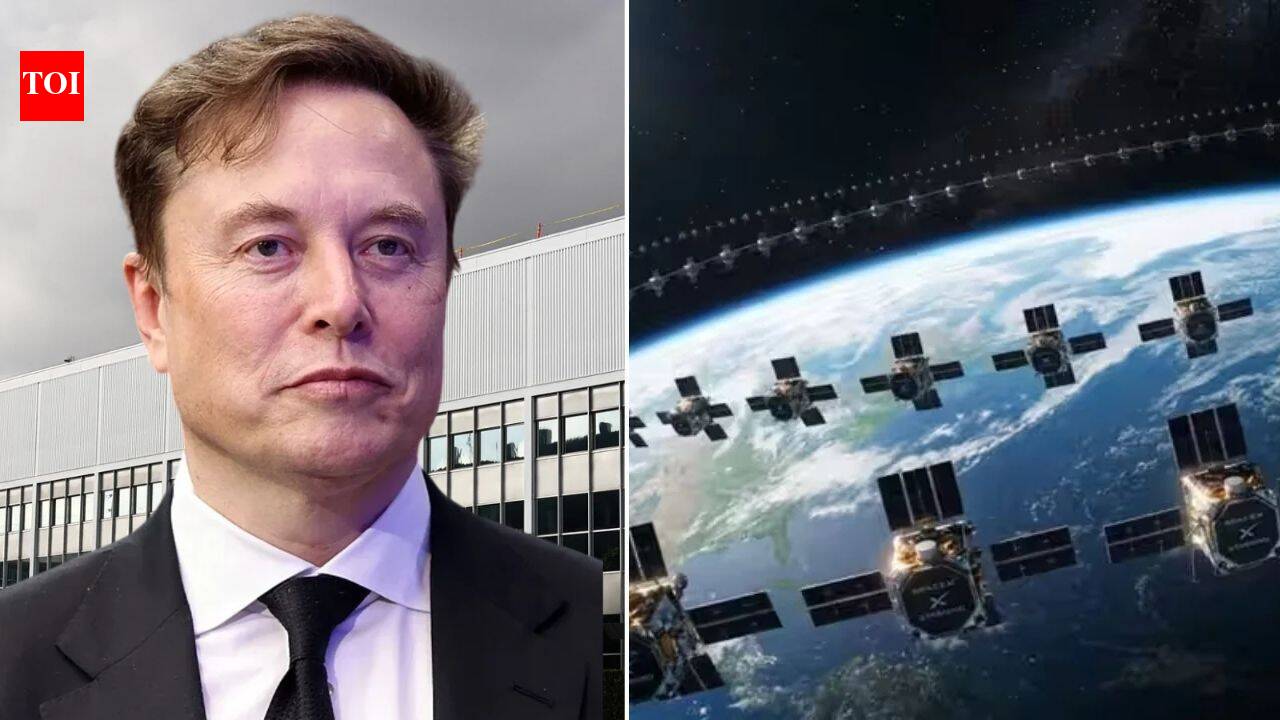
For decades, the growth of artificial intelligence has been tethered to the earth. The massive computational power required to train and run modern AI models has necessitated the construction of gargantuan terrestrial data centers—vast, energy-hungry complexes that consume immense amounts of electricity and land. But a new frontier is opening, one that moves the processing power away from the atmosphere and into the vacuum of space. On Wednesday, November 26, 2026, the U.S. Federal Communications Commission (FCC) signaled a tectonic shift in the future of computing by authorizing Elon Musk’s SpaceX to deploy a constellation of up to 1 million satellites designed to function as orbital data centers.
This is not merely a plan for more connectivity; it is a plan for a new kind of infrastructure. Known as the 'Starmind' constellation, these orbital computing modules are intended to process massive volumes of data for artificial intelligence in orbit, transmitting the results back to Earth. By moving the heavy computational load into space, SpaceX is proposing a fundamental redesign of how the world’s most advanced technology is powered and maintained.
One of the primary hurdles for terrestrial data centers is the sheer scale of energy required to keep them running. As AI models grow more complex, the demand on power grids becomes increasingly unsustainable. SpaceX has proposed a solution that leverages the unique environment of low Earth orbit: near-constant solar energy. Unlike ground-based facilities that must contend with night cycles, weather patterns, and the limitations of local power grids, these orbital modules can tap directly into the sun's radiation.
A project of this magnitude—deploying a million distinct modules—presents a logistical challenge that would be insurmountable with current launch technology.
In a statement to the FCC, SpaceX argued that this approach would offer a level of efficiency previously thought impossible. "By directly harnessing near-constant solar power with little operating or maintenance costs, these satellites will achieve transformative cost and energy efficiency while significantly reducing the environmental impact associated with terrestrial data centers," the company noted. The vision is to create a system where the energy source is as vast as the computing needs, potentially decoupling the growth of AI from the environmental and logistical constraints of the planet.
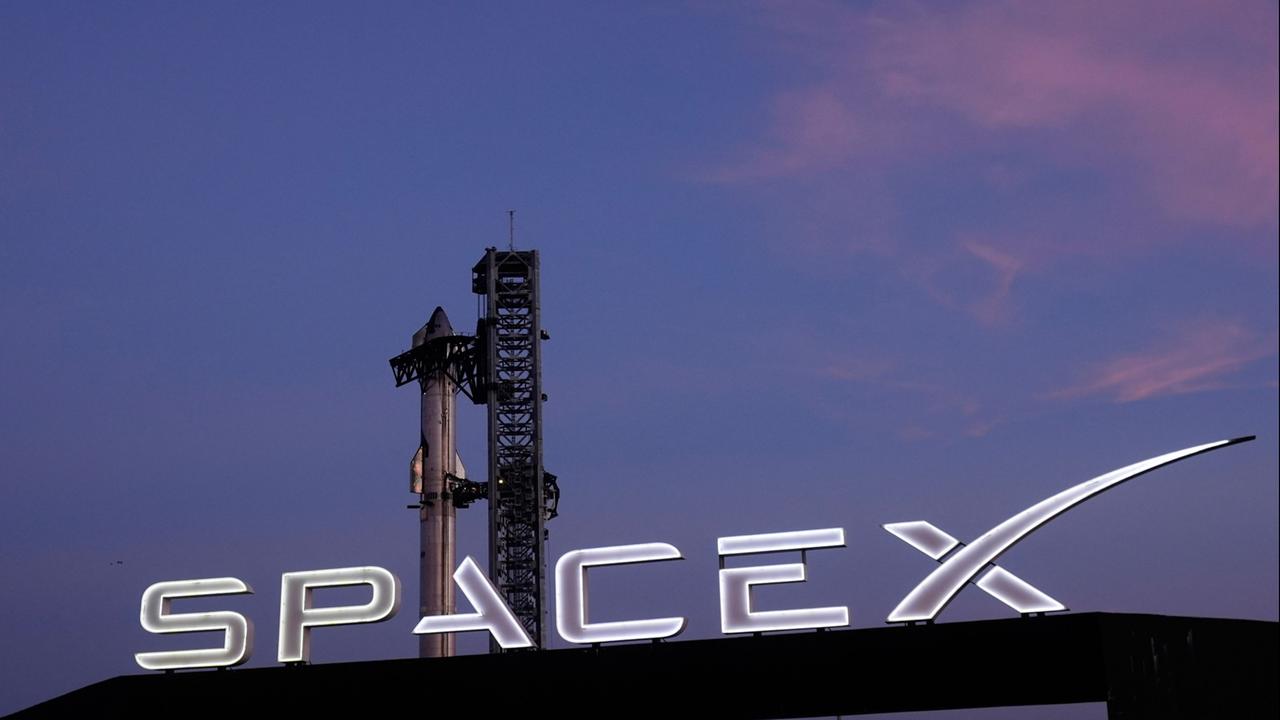
A project of this magnitude—deploying a million distinct modules—presents a logistical challenge that would be insurmountable with current launch technology. The sheer volume of hardware required to build the Starmind constellation necessitates a radical reduction in the cost of reaching orbit. This is where SpaceX’s next-generation Starship rocket becomes the linchpin of the entire operation.
Currently under development, Starship is designed to lower launch costs significantly, providing the heavy-lift capacity required to ferry these massive computing modules into their designated orbits. Without the ability to launch payloads at a scale and price point that makes mass deployment economically viable, the Starmind project would remain a theoretical exercise. With Starship, however, the transition from terrestrial silicon to orbital computing becomes a matter of engineering and execution.
The FCC’s approval is being framed not just as a regulatory milestone, but as a strategic geopolitical maneuver. As the global race for artificial intelligence intensifies, the infrastructure that supports that intelligence has become a matter of national importance. FCC Chairman Brendan Carr characterized the authorization as a decisive step in securing the United States' position at the forefront of the technological revolution.
For Carr, the deployment of 1 million orbital compute modules is about more than just expanding bandwidth or processing speed; it is about building the foundation for the next era of human capability. "America is leading the world into the era of super intelligence," Carr stated. He further emphasized that under the current administration's leadership, the United States is moving to ensure that these technological breakthroughs drive investment and deliver benefits to the American people. By authorizing SpaceX to claim this orbital territory, the FCC is effectively betting on a future where American AI dominance is powered by a constellation of satellites stretching across the stars.