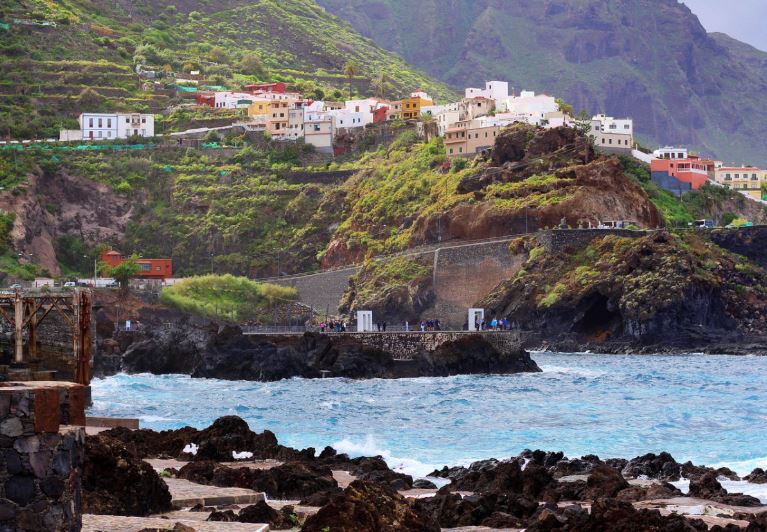
The chipped ceramic of a coffee cup warms hands chilled by the Atlantic wind. In El Hierro, the smallest of Spain’s Canary Islands, that small comfort is in short supply these days. The island, normally a haven for hikers and stargazers, is grappling with a crisis. Over the weekend of November 15th and 19th, nearly 2,200 migrants arrived by boat, a number that overwhelmed local resources and exposed the limits of the archipelago’s ability to respond. The most striking moment came on Saturday, November 15th, when Spanish maritime rescue and the Guardia Civil pulled 1,580 people from 15 boats – the highest single-day total in the 32-year history of this migration route.
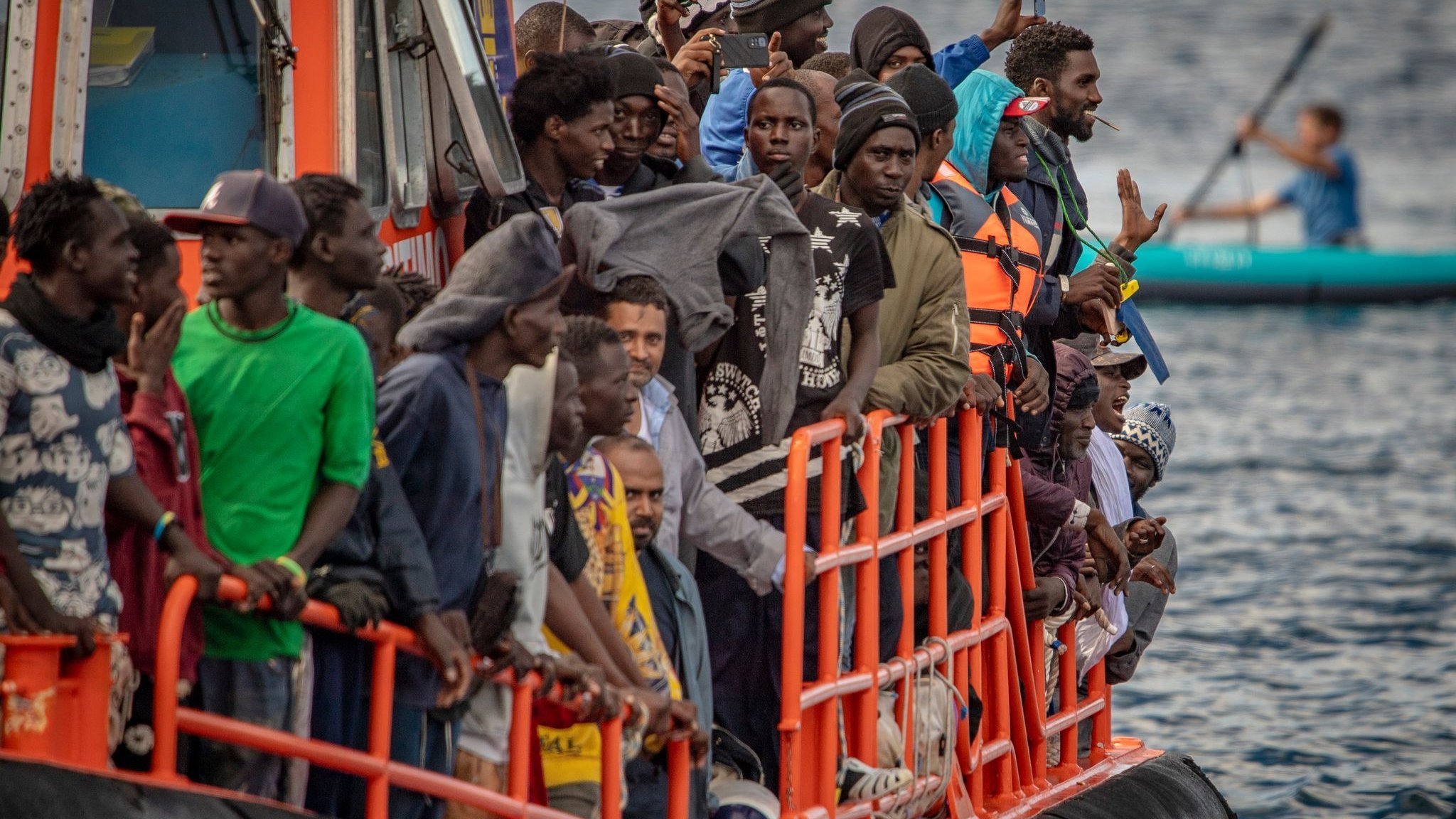
The sheer scale of the arrivals is what sets this moment apart. The previous record, set on November 7th, 2020, saw 1,461 people rescued. This latest surge doesn’t just surpass that number; it eclipses it by over a hundred individuals. The majority – 1,327 people – landed on El Hierro, a volcanic island just 160 kilometers south of where one boat was picked up. The influx quickly overwhelmed the island’s capacity. Reports describe scenes of overcrowding at La Estaca port, with new arrivals forced to sleep on the floor. Another 203 migrants were processed on Gran Canaria, with 17 requiring hospital care, and Tenerife received 50.
This weekend’s arrivals aren’t an isolated incident, however. Throughout 2026, over 28,000 people have attempted the sea journey to Spain, with more than 13,000 landing in the Canary Islands specifically. While official figures from Spain’s Ministry of the Interior show a 5.5 percent decrease in arrivals between January 1st and October 31st compared to the previous year, the recent spike is deeply concerning. The Canary Islands route, historically a less-traveled path than those to mainland Spain, has become increasingly popular.
The Canary Islands route, historically a less-traveled path than those to mainland Spain, has become increasingly popular.
The journey itself is perilous. The shortest distance from the African mainland to the Canaries is just 105 kilometers, but many boats are pushed off course or attempt much longer, more dangerous routes. The Atlantic currents are unpredictable, and the vessels used are often flimsy, overcrowded, and ill-equipped. This danger is tragically reflected in the statistics. The organization Walking Borders reported that at least 635 people died attempting the Atlantic crossing during the first five months of 2026 alone.
The people making this journey are largely from Senegal, Gambia, and Guinea. One vessel, carrying 240 people, departed from Gunjur, Gambia, six days before the November 15th arrivals. The motivations driving these journeys are complex – a combination of economic hardship, political instability, and the search for a better life. The promise of opportunity in Europe, however distant and difficult to reach, fuels the risk. As Spanish news agency EFE reported, “At least 1,580 migrants arrived in Spain's Canary Islands on Saturday via the Atlantic migration route, marking the highest single-day total in the route's 32-year history.”
The strain on the Canary Islands is palpable. While the islands have a history of receiving migrants, the current surge is testing the limits of their infrastructure and resources. The situation highlights the broader challenges facing Spain and the European Union in managing migration flows. The question now is whether the current system can cope with sustained increases in arrivals, and what measures can be taken to address the root causes driving people to risk their lives on this dangerous sea route.
As of late 2026, the situation remains fluid. The Canary Islands continue to receive migrants, and the focus is on providing immediate assistance while grappling with the long-term implications of this unprecedented influx. The debate over how to manage migration – balancing humanitarian concerns with border control – is likely to intensify in the coming months, as the waves keep coming.
