
Every year on November 14, India pauses to observe a dual significance. It is a day of remembrance for the man who first steered the ship of a newly sovereign nation, and it is also celebrated as Children's Day, or Bal Diwas. This year, as the 137th birth anniversary of Jawaharlal Nehru arrives, the nation finds itself once again looking back at the foundational era of the Indian republic.
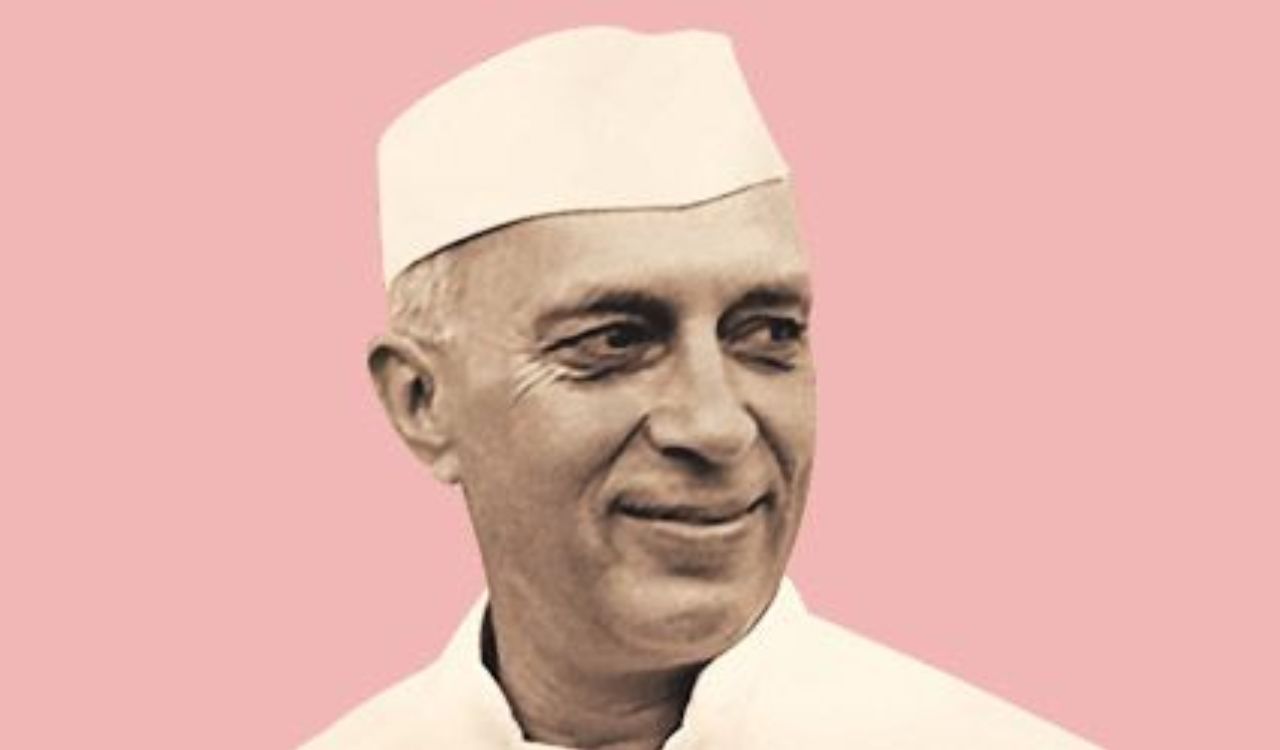
Nehru, a figure whose influence is woven into the very fabric of modern India, was born in 1889 in Prayagraj. His journey from that early beginning to the highest office in the land would eventually define the trajectory of a subcontinent emerging from colonial rule. To understand the India of today, one must look back to the era of his leadership, a period marked by the monumental task of nation-building.
When the sun rose on August 15, 1947, marking India's independence, the responsibility of crafting a functional, democratic state fell to Nehru. As the first Prime Minister of independent India, he was tasked with more than just administration; he was tasked with creation. He had to build institutions, define a national identity, and establish the democratic norms that would allow a diverse population to coexist under a single constitutional framework.
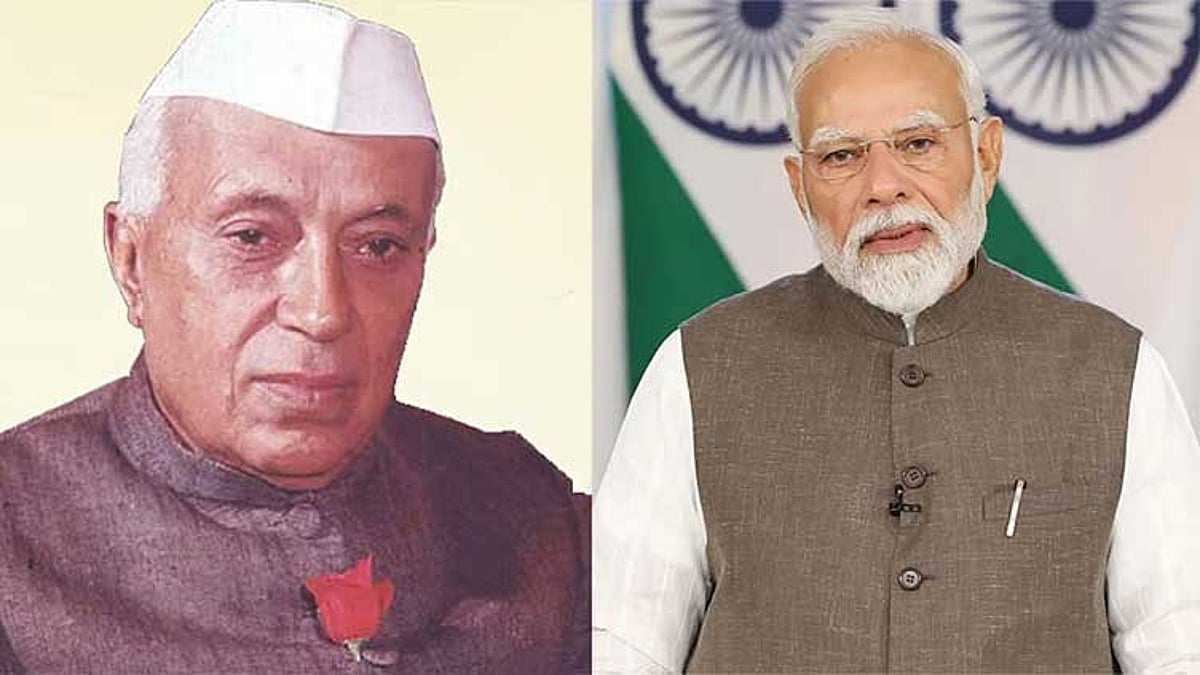
Prime Minister Narendra Modi took to social media to offer his respects, acknowledging the weight of Nehru's historical role.
This period of construction was not merely about physical infrastructure, though that was vital. It was about the intellectual and political infrastructure of a new democracy. His tenure, which lasted until his death in 1964, served as the crucible in which the modern Indian state was forged.
On this anniversary, the political landscape of India converged to honor the man who held the reins during the nation's infancy. Prime Minister Narendra Modi took to social media to offer his respects, acknowledging the weight of Nehru's historical role. "I pay respectful tribute to former Prime Minister Pandit Jawaharlal Nehru on his birth anniversary," Modi stated, recognizing the enduring presence of Nehru's influence in the national consciousness.
Defense Minister Rajnath Singh echoed this sentiment, focusing on the permanence of the work begun in the mid-20th century. Singh noted that Nehru's contributions left an "indelible mark on the early years of our nation's construction," suggesting that the very stability of the country's early years was a direct result of his leadership during the independence movement and the subsequent years of governance.
While the political leaders focused on the statecraft, the leadership of the Congress party looked toward the philosophical pillars Nehru established. At the memorial in Delhi, Congress President Mallikarjun Kharge and Parliamentary Party President Sonia Gandhi gathered to pay their respects, releasing balloons into the sky as part of the ceremony.
For Kharge, Nehru’s legacy is defined by a specific kind of intellectual rigor. He recalled Nehru's deep-seated commitment to scientific thinking and the pursuit of equality—principles that were intended to serve as the bedrock of a modernizing society. This wasn't just about policy; it was about a worldview that prioritized reason and social justice as the tools for progress.
Perhaps the most enduring aspect of Nehru's persona in the public imagination is his connection to the next generation. Affectionately known as 'Chacha Nehru,' his fondness for children has transformed his birthday into a national celebration of youth. This connection is why November 14 is observed as Children's Day, a tradition that links the statesman to the future of the country.
Kharge highlighted this aspect of Nehru's character, noting his specific focus on children's education. By emphasizing the importance of learning and the potential of the young, Nehru sought to ensure that the nation he was building would have the intellectual capacity to sustain itself long after his departure.
As schools and government institutions across the country organize events to honor his memory, the conversation around Nehru remains a vital part of India's self-reflection. He laid what Kharge described as a "strong foundation for modern and democratic India," a foundation that continues to be tested and utilized by every generation that follows.
From his birth in 1889 to his passing on May 27, 1964, Nehru’s life spanned the most transformative era in Indian history. Today, as the nation marks his 137th year, the debate is not just about the man himself, but about the enduring strength of the democratic and scientific ideals he championed during those formative, uncertain years of the mid-20th century.