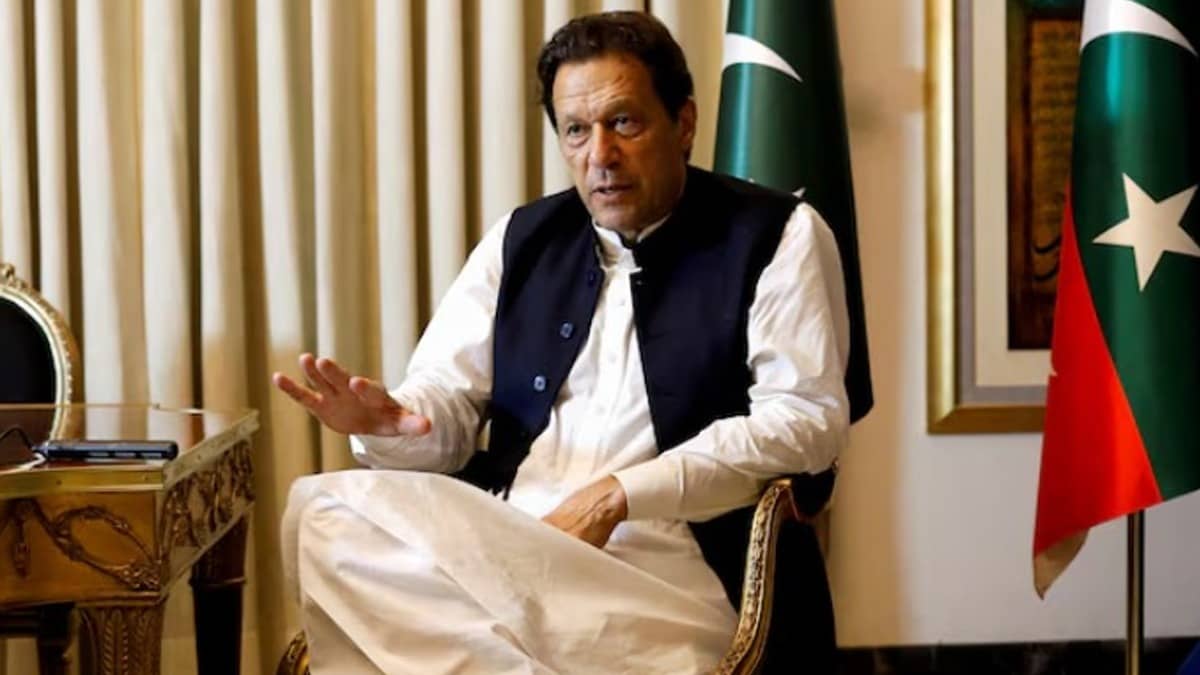
The number 192 is not just a statistic; it is a threshold where the body’s internal systems begin to fail. For Imran Khan, the former prime minister of Pakistan currently detained in Adiala Jail, that threshold was crossed on November 10. On that day, his blood pressure reached critical levels of 192 and 193. For a man who has spent his career in the public eye, such a medical spike is a private emergency, yet one that has unfolded in silence behind prison walls. The significance of these numbers cannot be overstated. At his age of 74, such readings are not merely uncomfortable; they are a direct path to catastrophic events like a brain hemorrhage or cardiac arrest. Khan is not hinting at these risks; he is listing them explicitly as the likely outcome of his current condition. The crisis is not abstract. It is a daily, measurable deterioration that has forced the former leader to break his silence in a way that few head of state ever do: through a plea for basic human survival.
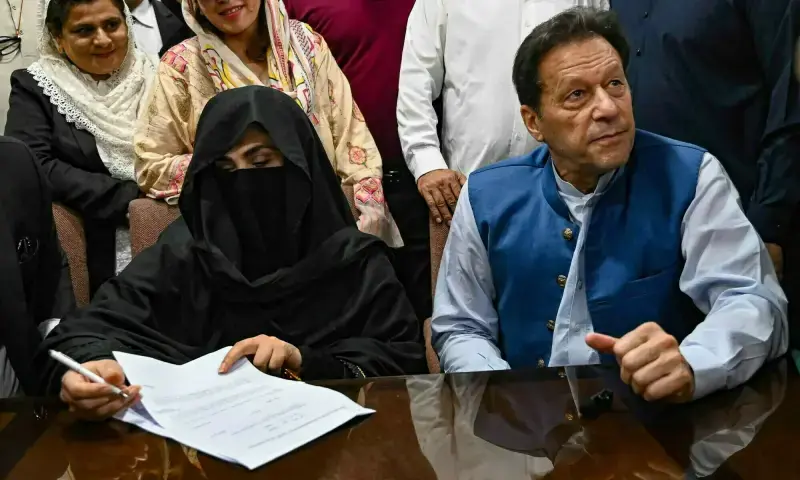
Khan’s letter does not frame his condition as a result of a single, dramatic incident. Instead, he points to the cumulative weight of prolonged solitary confinement. He argues that this unrelenting state is causing severe health deterioration. The human body is not built for such sensory deprivation and physical stasis. The lack of regular interaction, movement, and normal routine accelerates the decline in cardiovascular health. By describing the confinement as "unrelenting," Khan frames the issue not as a temporary setback, but as a systemic failure that is actively shortening his life. He warns that this environment is taking him to a place from which he may not return alive. The language is stark. It moves the narrative away from political grievance and into the territory of pure biological survival. He is not asking for a political win; he is asking for the continuation of his life.

🚨🇵🇰 Fmr. Pakistani PM Imran Khan has issued a DESPERATE PLEA from prison, warning that his health is deteriorating rapidly... In an open letter to Pakistan's top judges, Khan says he has been held in prolonged solitary confinement, denied regular family visits, deprived of adequate medical care. He says he's lost 85% of the vision in his right eye, experienced dangerously high blood pressure, and fears suffering a stroke or even cardiac arrest. Khan also claims a Supreme Court order requiring hospital treatment has not been implemented. “Give me justice before it is too late.” 💔 Source: @BrSalmanSafdar / Writer: Samuel
To address this crisis, Khan turned to the very institution that he believes has failed him. He wrote an open letter to the Chief Justices of Pakistan's Supreme Court, the Federal Constitutional Court, and the Islamabad High Court. This was a strategic move. By addressing all three top benches, he bypassed lower-level bureaucracy and placed the entire judiciary on notice. The letter is not a new application for relief; it is a demand for the enforcement of previous orders. Khan claims that prison authorities have failed to implement a Supreme Court order concerning his medical treatment. This creates a distinct legal paradox. The court has already ruled in his favor, yet the executive arm of the state—the prison system—has ignored the ruling. The letter serves as a public record of this failure. By making it an "open" letter, Khan ensures that the judiciary’s inaction or the prison’s defiance becomes a matter of public record, forcing the courts to publicly acknowledge their own broken promises. It is a way of holding the judges accountable to their own prior decisions, using the public sphere as the leverage needed to move stagnant legal processes.
At the heart of Khan’s request is a demand for urgent medical intervention.
At the heart of Khan’s request is a demand for urgent medical intervention. He is not asking for a transfer to a private hospital, though that might be the practical outcome. He is asking for the immediate application of medical care that the courts have already authorized. The specific warning of a brain hemorrhage or cardiac arrest is the ultimate leverage. No judge wants to preside over the preventable death of a former head of government. By citing specific, critical medical markers like the 192/193 blood pressure readings, Khan provides the medical justification for emergency action. The request is framed as urgent because the timeline is measured in days, not months. The deterioration is active. The risk is immediate. He is demanding that the system prioritize his medical safety over its routine, even if that routine is one of total isolation. The letter acts as a final warning before the potential for a tragic, legal nightmare that could haunt the judiciary for years.

Open Letter of Mr Imran Khan for kind consideration of Hon Chief Justice's of Pakistan. Humanitarian Plea for Medical Treatment & Shift to Hospital - Voice From Behind the Prison Walls of Adyala. https://t.co/bIqBxqGuX9
The detail of his confinement is a crucial context for understanding the severity of his condition. This is not a few hours in a cell; it is a significant duration of his day. The human mind and body struggle to maintain equilibrium under such conditions. Stress hormones remain elevated, blood pressure spikes, and the cardiovascular system works in a state of constant, low-grade emergency. For a 74-year-old man, this physiological stress is compounded by the inability to monitor it effectively. Khan’s complaint is that this environment is worsening his health, not just delaying his recovery. The figure turns the abstract concept of "solitary confinement" into a concrete, measurable burden. It is the primary variable that Khan is asking the judges to address. Without changing this duration, or providing medical intervention that can counteract its effects, the risk of fatal events remains high.