
For the average driver, the fuel flowing from a petrol pump is a predictable necessity. You pull up, fill the tank, and drive on, trusting that the liquid meets the standards promised by the label. But across South India, that trust is being tested by a chemical imbalance that could, quite literally, damage the machines people rely on every day. The issue centers on E20 petrol—a blend containing up to 20% ethanol—and a growing suspicion that the actual concentration in some tanks is far exceeding that legal threshold.
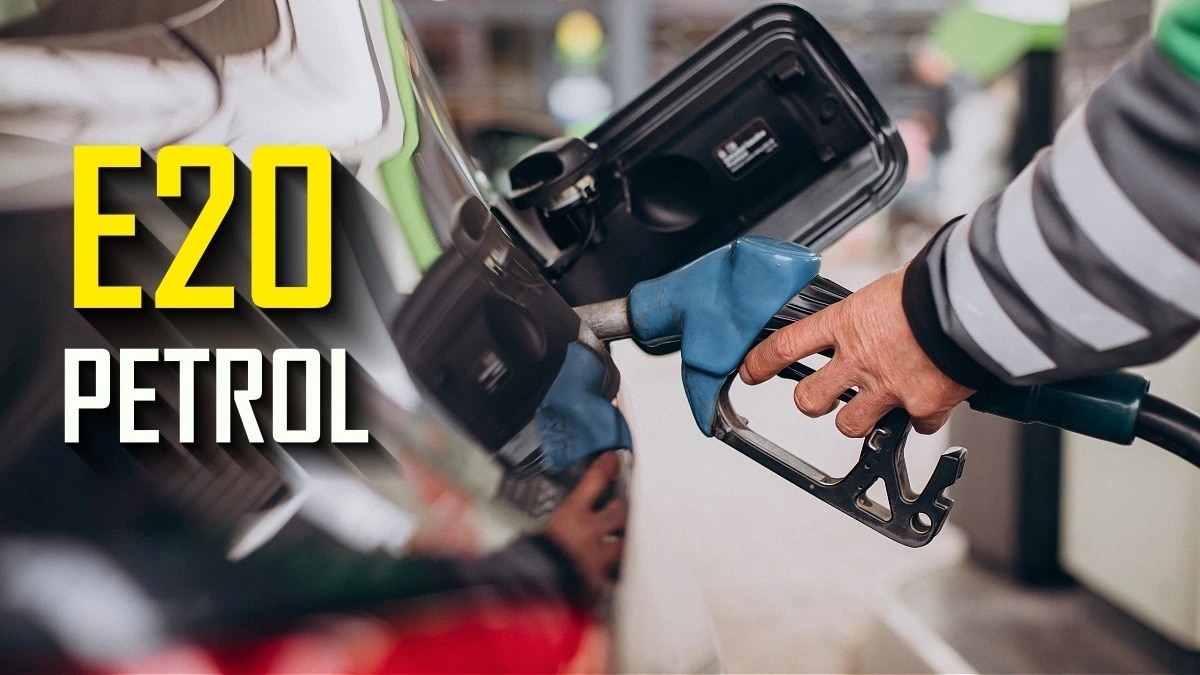
The tension reached a boiling point in Karnataka, where the implications of mislabeled fuel moved from theoretical concern to official investigation. On November 6, 2026, Minister Rizwan Arshad held a press conference that signaled a deepening rift between state oversight and fuel standards. The Minister revealed that the state had collected 63 fuel samples from various districts to investigate the composition of the petrol being sold to the public.
His concern was not merely bureaucratic; it was mechanical. Ethanol is an alcohol that can be problematic for older or specific engine designs. "Petrol with more than 20 percent ethanol can be harmful to vehicles not prepared for such high ethanol usage," Arshad warned. If the ethanol content climbs too high, it can cause long-term damage to components not engineered to handle the corrosive or chemical properties of excessive alcohol. The Karnataka Food and Civil Supplies Department took the findings a step further, alleging that in some instances, ethanol levels were found to be as high as 26% to 31%—significantly higher than the 20% limit.
On November 9, 2026, the Kerala Civil Supply Department initiated its own round of testing at petrol pumps in Kochi.
As the data from Karnataka emerged, the technical issue quickly transformed into a political firestorm. On November 9, 2026, the controversy moved to the floor of the Lok Sabha. Opposition leader Rahul Gandhi used the session to challenge the central government’s ability to regulate the industry, questioning when action would be taken against the oil companies involved.
Gandhi’s critique was sharp and social-media-ready, labeling the E20 standard as '420' to suggest a level of deception or fraud. He presented a specific, troubling statistic to the house: of the 14 samples analyzed in a particular subset of the Karnataka investigation, he claimed that 11 of them exceeded the 20% ethanol limit. This discrepancy between the promised blend and the actual substance has turned a matter of fuel chemistry into a question of national negligence.

After Karnataka, Kerala Collects Random Fuel Samples To Test Ethanol Blend https://t.co/43MuZyKuXS https://t.co/HmVypXeVrc
While the political debate raged in New Delhi, the practical work of verification moved south to Kerala. On November 9, 2026, the Kerala Civil Supply Department initiated its own round of testing at petrol pumps in Kochi. The goal was to determine if the high ethanol concentrations reported in Karnataka were an isolated regional issue or a systemic failure in the supply chain.
District Civil Supply Officer Shaji PR confirmed the start of these inspections, noting the methodical approach being taken to ensure accuracy. "Six samples were taken during investigation, two sent for further analysis," PR stated, explaining that some of the collected samples were being sent to an analytical lab in Andhra Pradesh to ensure a rigorous, third-party verification of the ethanol content.
As state departments across the south began pulling samples, the central Petroleum Ministry moved to defend the integrity of the national fuel supply. The Ministry dismissed the allegations of widespread non-compliance, pointing to a much larger data set to suggest that the system is functioning as intended. According to the Ministry, 893 samples taken across 27 different states have met the required quality standards.
To bridge the gap between the state-level findings of high ethanol and the central government's claims of compliance, major oil companies—including Indian Oil Corporation, BPCL, and HPCL—have stepped in to explain the mechanics of the process. These companies maintain that the ethanol blending process is not a manual, error-prone task performed by pump attendants or local distributors. Instead, they assert that the process is fully automated and strictly regulated by law, making the kind of manual interference required to spike ethanol levels to 31% highly unlikely.

E20 Petrol: We Stand Firm on Our Findings The overwhelming public response to Karnataka’s E20 petrol findings reflects growing concerns over consumer rights, transparency and vehicle safety. Instead of addressing our findings with scientific evidence, the Union Government has responded through Oil Marketing Companies (OMCs), leaving one crucial question unanswered: What is the actual ethanol content in the petrol sold to consumers? Our sampling followed the Motor Spirit and High Speed Diesel Order, 2005. After the OMCs’ laboratories failed to report ethanol percentages in the initial 63 samples, we approached independent NABL-accredited and ISO-certified laboratories for verification. Since ethanol blending is a controlled process at refineries and terminals, OMCs must take responsibility for the quality of fuel supplied to consumers. Independent testing, not self-certification by oil companies, is essential. We urge all State Governments to conduct independent ethanol testing and demand that the Union Government initiate nationwide testing through accredited third-party agencies. Consumers deserve what they pay for. We stand firmly by our findings and will continue to fight for transparency, accountability and consumer rights. #E20 #Ethanol #Petrol #PetrolBlending #Karnataka
As it stands, the situation remains a tug-of-war between localized testing and centralized assurances. On one side, state officials in Karnataka and Kerala are documenting specific instances where the fuel in the tanks appears to deviate from the legal 20% limit. On the other, the central government and major oil corporations point to a vast network of automated, regulated blending that they claim is meeting national standards.
For the drivers in Kochi and the districts of Karnataka, the resolution lies in the lab results currently being processed in Andhra Pradesh and the ongoing inspections. Until the discrepancy between the 20% standard and the alleged 31% reality is reconciled, the question of whether a vehicle is being fueled by a regulated blend or a potentially damaging excess remains unanswered.