
In the sprawling, glass-walled headquarters of Tata Sons, the air often feels heavy with the weight of history. The company is not merely a business; it is a national institution, a sprawling empire of salt, steel, software, and tea that has defined modern India’s industrial identity. But even the most storied institutions are not immune to the messy, human friction of succession. The current dispute is not about a new venture or a failed merger. It is about the very soul of the organization: who gets to lead it, and by what rules.
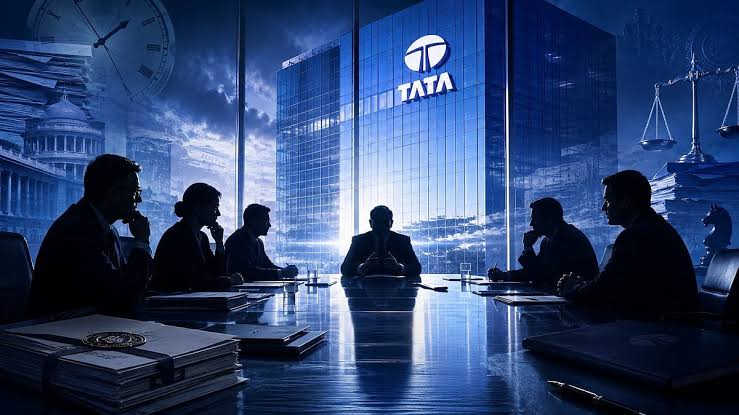
The conflict centers on N. Chandrasekharan, the man who has steered the Tata Group through a period of unprecedented digital transformation. In September 2026, the board of Tata Sons passed a proposal to reappoint him as Executive Chairman for a third five-year term. The move was widely expected, a natural extension of his tenure. Yet, it sparked a firestorm that has now reached the benches of the Supreme Court of India. The dispute is not merely a corporate power struggle; it is a clash between the modern, professional management and the traditional, family-controlled governance that has long underpinned the group.
The Sir Dorabji Tata Trust and the R.D. Tata Trust, two of the most influential stakeholders within the group, have challenged the reappointment in court. They hold a 66% stake in Tata Sons, a controlling interest that gives them immense influence over the company’s direction. On November 27, 2026, the Bombay High Court delivered a ruling that has set the stage for a protracted legal battle. The court declined to grant immediate relief to the trusts, effectively allowing the board meeting scheduled for November 30 to proceed as planned.
The trusts believe the resolution did not meet this threshold, rendering it legally void.
This decision has not deterred the trusts. In a strategic move, Tata Sons filed caveats in both the Bombay High Court and the Supreme Court. A caveat is a legal notice filed to ensure that a party is heard in a court proceeding. By filing these caveats, Tata Sons is ensuring that its arguments will be considered if the trusts appeal the recent court orders. It is a precautionary measure to safeguard its position and ensure that the board’s decision is not overturned by a higher court.
The trusts’ challenge is rooted in a technicality of corporate governance. They argue that the reappointment resolution, passed on September 17, was invalid. Specifically, they contend that it failed to secure the required votes under Article 121 of the company’s articles of association. This article, a cornerstone of the Tata constitution, mandates that certain key decisions require a supermajority of votes. The trusts believe the resolution did not meet this threshold, rendering it legally void.
The stakes are enormous. The trusts are not just fighting for procedural correctness; they are seeking substantial damages. The Sir Dorabji Tata Trust has sought ₹50 crore in damages, while the R.D. Tata Trust has claimed ₹15 crore, along with an annual interest rate of 18%. These are not trivial sums, representing a significant financial penalty for what the trusts view as a breach of the company’s foundational rules.
The dispute has also exposed a deep rift within the Tata family itself. The trusts have nominated director Noel Tata who voted against the reappointment. His vote, cast in line with the trusts’ position, underscores the personal and political dimensions of the conflict. It is a rare public fracture within a family that has traditionally maintained a facade of unity.
The next hearing in this legal battle is scheduled for early 2027. The Bombay High Court has ordered Tata Sons to file reply affidavits, which will allow both sides to formally present their arguments. The Supreme Court is also prepared to hear the case if the trusts decide to appeal the Bombay High Court’s ruling. The coming months will be critical as the legal system grapples with a dispute that touches on the very heart of corporate governance in India.
The outcome of this case will have far-reaching implications. It will set a precedent for how family-controlled conglomerates navigate the transition of power and the enforcement of their internal governance rules. For now, the Tata Group stands at a crossroads, its future uncertain. The board has moved forward with its decision, but the legal challenges it faces are far from over. The coming year will determine whether the Tata empire will remain united under its current leadership or be fractured by this unprecedented legal battle.