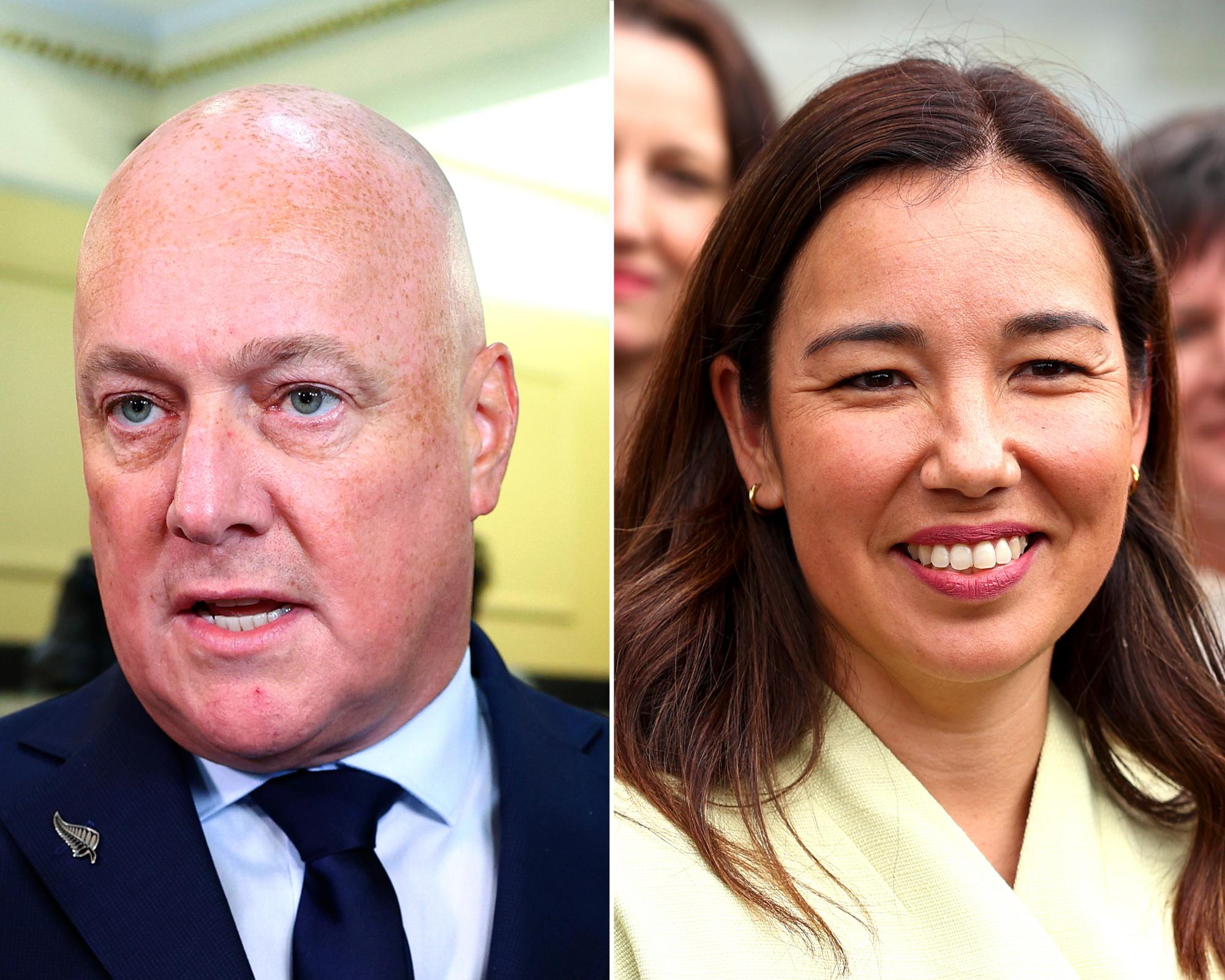
Democracy is rarely a tidy affair, and in New Zealand, the final arithmetic of governance often reveals itself only after a tense period of waiting. When citizens cast their ballots in the general election, the initial returns sketch a preliminary picture of a nation's political desires. But the true architecture of power emerges much later, once every last envelope has been opened, verified, and counted.
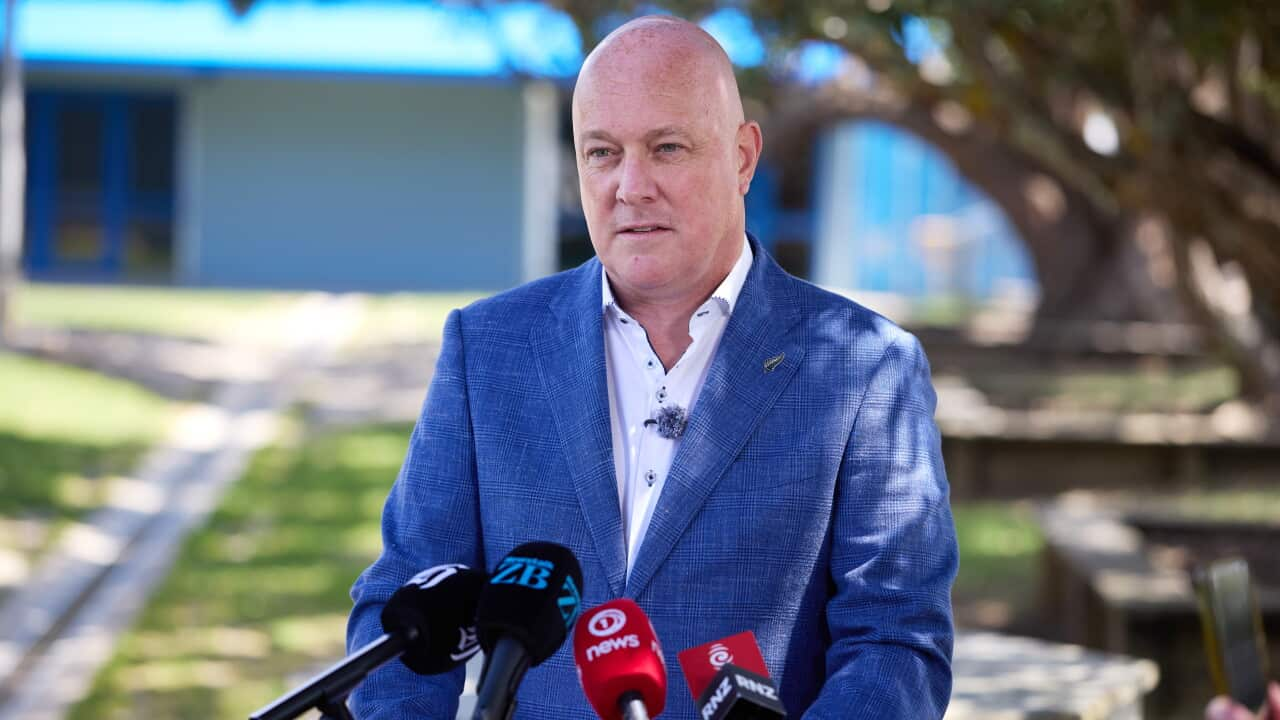
That lingering uncertainty proved pivotal as election officials waded through nearly 485,000 special votes. This year was no exception. As these delayed votes were tallied, the governing dynamics of the nation shifted dramatically, eroding the safety margins that political leaders hope for on election night.
When the final results were officially certified, the ruling National Party-led coalition found itself in a precarious position. The coalition secured 65 seats in the 130-member parliament. In a House of that size, securing a majority requires 66 seats. Falling one seat short of an absolute majority meant that the ruling bloc could not govern alone, instantly transforming a night of potential triumph into a delicate exercise in political survival.
Led by Qiulae Wong, the party found itself holding the decisive leverage needed to tip the balance and determine the structure of the next government.
The erosion of the coalition's numbers was not a uniform trend, but the result of specific, hard-fought contests across the country. Following the counting of the special votes, the National Party lost two crucial electorate seats to Labour. Simultaneously, the Green Party managed to pick up a seat, reflecting the fluid nature of late-counted preference ballots and the shifting tides within local constituencies.
Yet, if the ruling coalition was left feeling the sting of near-miss arithmetic, the political opposition found themselves trapped in a strikingly similar predicament. Even if they pooled their collective strength, they lacked the numbers to command the floor of parliament on their own, leaving the legislature deadlocked in a symmetrical stalemate.
With both major political blocs boxed into minority territory, the entire architecture of the next administration came to rest on a single, centrist entity: the Opportunity Party. Secured with seven seats in the new parliament, this minor party was suddenly elevated to the most powerful position in the country. Led by Qiulae Wong, the party found itself holding the decisive leverage needed to tip the balance and determine the structure of the next government.
Power, however, does not come without a price. As political maneuvering began in earnest, Wong made it clear that her party would not hand over its support without securing tangible policy commitments. Emphasizing that "all options remained open as her party considered arrangements to ensure a stable government," Wong laid out firm conditions for any potential coalition or support agreement. Those demands included stronger competition laws to protect consumers and markets, strict restrictions on political donations to clean up campaign financing, and substantive climate action commitments.
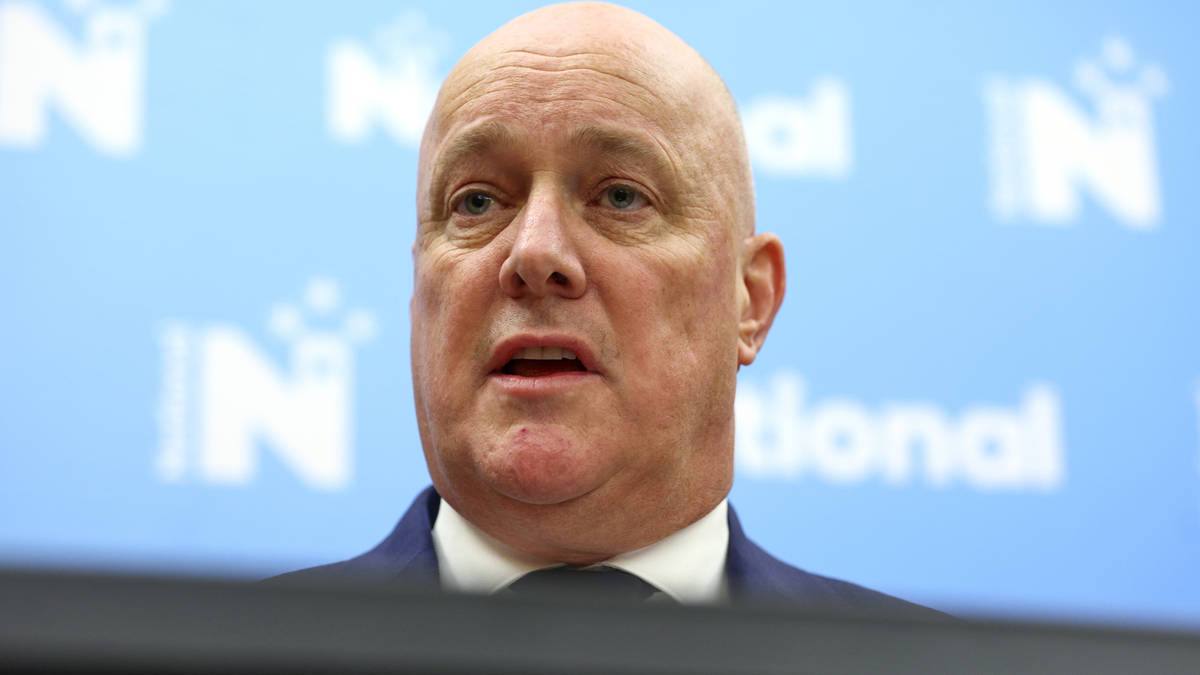
While the political horse-trading unfolds behind closed doors, the machinery of state must keep turning. The current government continues to operate in a caretaker capacity, managing day-to-day administration pending the formal formation of a new government. This transitional period is further subject to potential legal challenges, with applications for judicial recounts open within three working days, ensuring the final chapter of the election is written with utmost scrutiny.
Beneath the high-stakes drama of seat counts and coalition talks lies a quieter trend in civic engagement. Voter turnout for the election stood at 77.2 percent, marking a modest decrease from the 78.2 percent recorded in 2023. While still reflecting a high level of democratic participation compared to many Western democracies, the dip serves as a subtle backdrop to an election where every single vote—and the missing majority it created—ultimately reshaped the nation's political future.