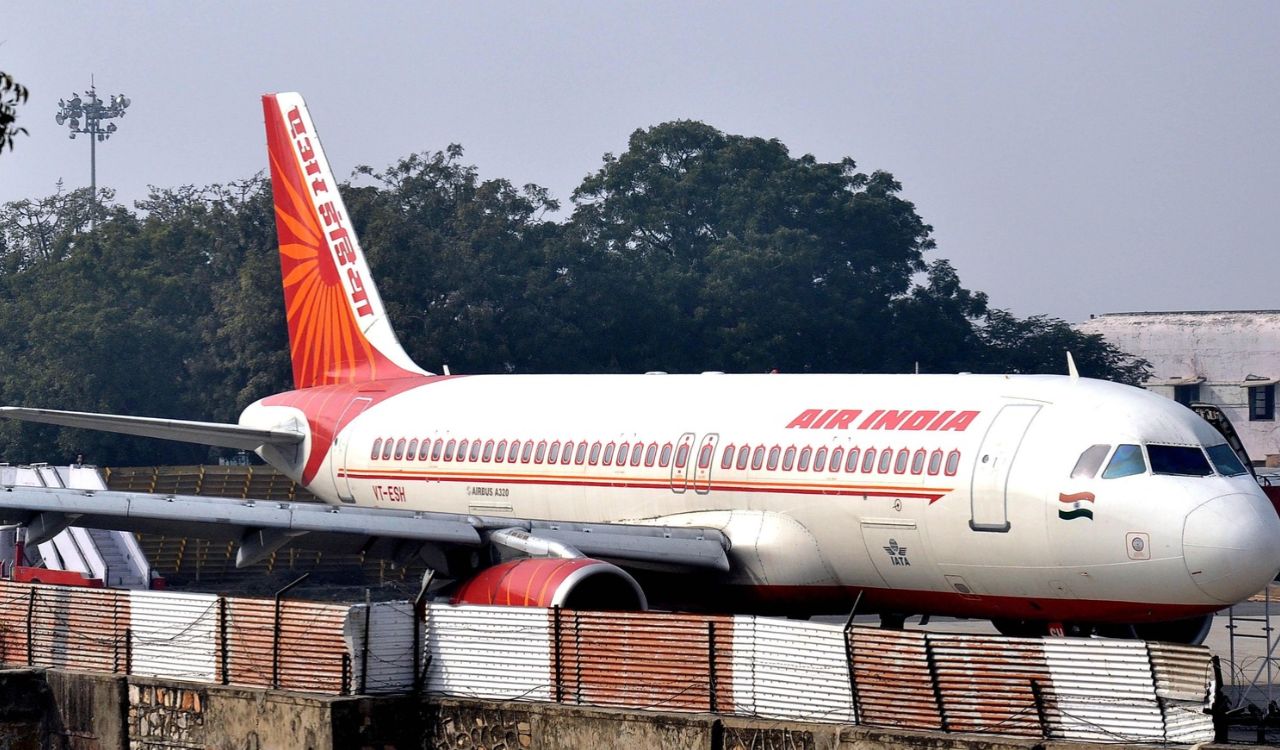
For years, the journey from the sprawling airports of Delhi or Mumbai to the concrete canyons of New York was a test of endurance. It was not just the distance; it was the inefficiency of it. Under normal circumstances, a plane can fly over the poles or trace efficient arcs across the oceans. But this year, the sky itself became a barrier. Air India passengers found themselves strapped into seats for an unexpected 22 hours, a duration that stretched the limits of comfort and logistics. The cause was not weather, but war. Or rather, the shadow of it.
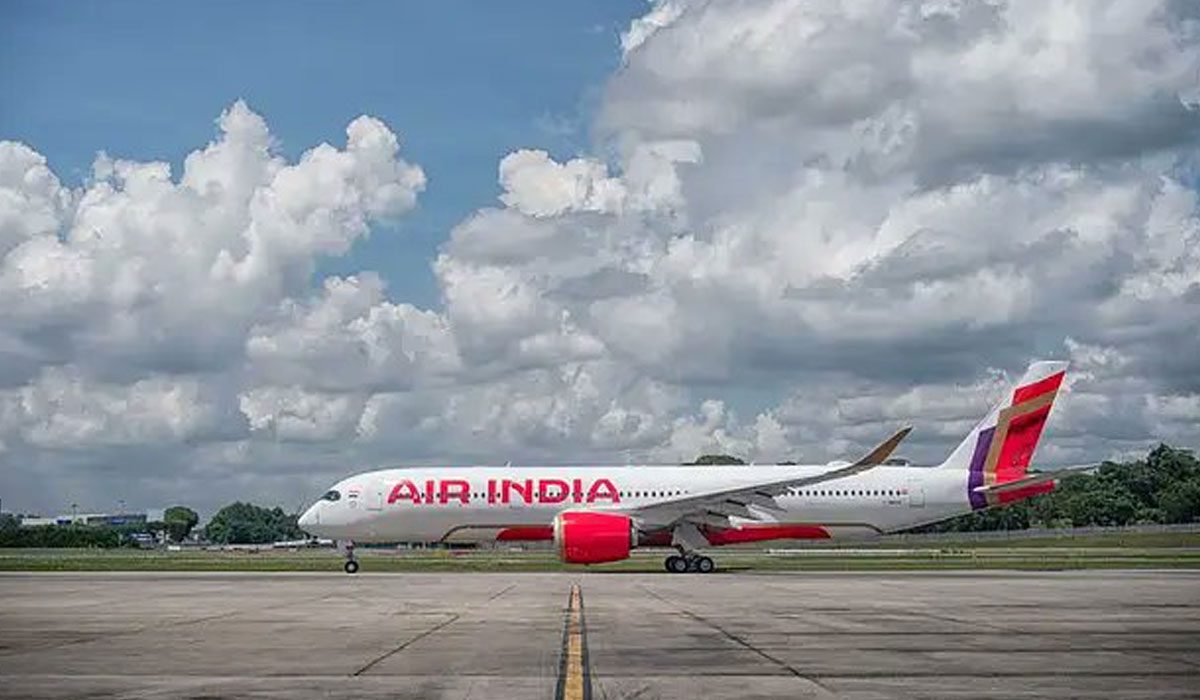
When Air India announced on November 15, 2026, that it was resuming non-stop services on all flights linking its major Indian hubs to New York, it was marking a return to normalcy that had felt distant for much of the year. The headline figure is simple: travel times are expected to decrease by up to five hours. The flight that previously took 22 hours will now take 17. It sounds like a minor logistical adjustment, but for the millions of travelers who bridge the gap between the two continents, it represents a fundamental restoration of connection. It is the difference between a exhausting ordeal and a manageable journey. And it signals that the air corridors over the Middle East and South Asia are, once again, open.
To understand the relief of this resumption, one must understand the closure. Earlier in 2026, the airspace over Pakistan was shut to Indian aircraft. This was not a temporary weather holdup; it was a deliberate geopolitical act. Regional tensions in the Middle East had spilled over into the subcontinent, creating a volatile environment where aviation was no longer just a commercial activity, but a political statement. When Pakistan blocked Indian jets from using its airspace, it created a void in the global flight map.
The removal of the Rome stop means no more technical halts, no more disembarking in a foreign city just to refuel.
For a airline like Air India, which relies on these routes to serve its diaspora and business networks, the impact was immediate and severe. The direct routes were gone. The alternative was to go around. And "going around" in aviation often means adding significant miles and fuel consumption. The airspace closure forced the airline to rethink its entire operational strategy for its most valuable transatlantic routes. It was a reminder that borders are not just lines on a map, but physical barriers that can be closed, leaving travelers stranded in the long, unbroken arc of a detour.

Air India Resumes Non-Stop New York Flights, Cutting Travel Time By 5 Hours https://t.co/N2fpiNodqw https://t.co/1eg3K0cwuK
The workaround was not elegant. Without the ability to fly the efficient path over Pakistan or the surrounding regions, Air India had to look for a safe, open corridor. The answer was Italy. The airline implemented technical halts, specifically fuel stops, in Rome. For a long-haul journey to New York, a stop in Rome seemed far from the destination, but it was the only viable option that allowed the plane to reach JFK or Newark without violating closed airspace.
This turned a direct service into a connecting one. Passengers had to disembark, or at least sit through a technical stop, adding hours to their day. The 22-hour duration mentioned in recent reports is a testament to how much time was wasted in these loops. It also meant higher fuel costs and reduced aircraft utilization for the airline. A plane that stays on the ground for a technical stop in Rome is a plane that isn't flying. In the high-stakes world of international aviation, efficiency is profit. The detour was a loss, not just for the passengers who suffered the long wait, but for the airline that had to fly more miles to cover the same route.
Now, with the airspace reopened, the geometry of the journey changes. The flight from Delhi or Mumbai to New York can now trace a more direct arc. The five-hour reduction is not just a number; it is the elimination of the detour. The airline currently operates one daily flight from Delhi to JFK and one daily from Mumbai to JFK. Additionally, it runs four weekly flights from Delhi to Newark and three weekly from Mumbai to Newark.
These are significant frequencies for transcontinental routes. Newark, in particular, serves as a major gateway for New York's international business traffic, while JFK remains the primary hub for luxury and tourism. By restoring daily service to JFK and strong weekly service to Newark, Air India is cementing its role as a bridge between the two continents. The 17-hour flight is the standard for modern wide-body jets on these routes. It is a flight that can be done in a single block of time, allowing passengers to manage their schedule with a departure in the morning and an arrival in the evening, or vice versa. The removal of the Rome stop means no more technical halts, no more disembarking in a foreign city just to refuel. The journey becomes a single, continuous experience.

Air India resumes non-stop flights between Delhi, Mumbai, and New York, cutting travel time by up to 5 hours as airspace restrictions ease.https://t.co/MCw3TUdkb4 https://t.co/6RU09oG1sV
In the press release, Air India noted that passengers will benefit from "faster, more convenient travel and new onboard facilities." This phrasing is standard corporate language, but it points to a deeper shift. When flights are shorter, airlines can offer different configurations of seats, catering, and service. A 17-hour flight is a premium product. It competes with the likes of Singapore Airlines or Qatar Airways on comfort. The "new onboard facilities" likely refer to upgrades that make the long haul more bearable, but the fact that the flight is now non-stop is the biggest upgrade of all.
For the Indian diaspora in the United States, who number in the millions, this is more than a convenience. It is a lifeline. These routes carry students, business professionals, and families who move between the two countries frequently. A 22-hour journey with a stop in Rome is a burden. A 17-hour direct flight is an opportunity. It lowers the barrier to travel, encourages more frequent visits, and strengthens the economic and cultural ties between the two nations. The resumption of these flights is a small victory for the people who fly these routes daily, a reminder that the sky can be opened again.
While the announcement is about aviation, the context is purely political. The closure of Pakistani airspace was a critical stance in the ongoing regional tensions. It was a way for Pakistan to exert pressure, to show that it could disrupt the flow of global commerce and movement. The reopening is just as significant. It suggests a de-escalation, or at least a pause in the hostilities. For Air India, the political shift is an operational one. It is the difference between a crisis mode, where you are reacting to closures and detours, and a normal mode, where you are flying the routes you were designed to fly.
The fact that the airline could announce this on November 15, 2026, with such confidence, indicates that the airspace is stable enough for regular operations. It is a clear signal to the market: the risks are down, the rewards are up. For the airline, this is a return to its core competency. It is no longer a company managing a geopolitical crisis; it is a company moving people between two of the world's most dynamic cities.

Air India on Sunday (November 15, 2026) said it has resumed non-stop flights to New York and Newark from Delhi and Mumbai, following the reopening of a restricted airspace, reducing overall travel time by up to five hours. https://t.co/UxsUgGWsWL
The reduction in travel time also has a psychological impact. In aviation, time is the most valuable commodity. A five-hour cut is massive. It allows passengers to sleep, to work, to rest. It makes the journey feel like a travel experience rather than a transit one. The new onboard facilities mentioned by Air India are designed to enhance this experience. Whether it is better lighting, upgraded entertainment systems, or improved meal service, the goal is to make the 17 hours feel shorter and more pleasant.
This is a competitive move. Other airlines have been flying these routes for decades. Air India is now back in the game, on equal footing. The resumption of non-stop service is a statement that the airline is ready to compete for the premium traveler, the one who values time and comfort above all else. It is a move that could boost revenue and brand perception significantly. For a company that has been dealing with the fallout of regional tensions, this is a welcome turn.
As of the announcement, the flights are operational. The schedule is fixed: daily to JFK, weekly to Newark. The routes are open. The detour is over. For the travelers who will board these planes in the coming weeks, the experience will be markedly different. They will not be looking for a stop in Rome. They will be looking out the window at the curvature of the earth, the steady progress over the oceans and continents.
The resumption of these flights is a small but symbolic moment. It represents the end of a difficult chapter in regional aviation history. It shows that even in a time of tension, the desire to connect, to travel, to visit family and business, remains. And it shows that when the sky opens, the connections follow. For Air India, it is a return to form. For the world, it is a reminder that borders can be crossed, that distances can be shortened, and that the journey, while long, is finally direct.