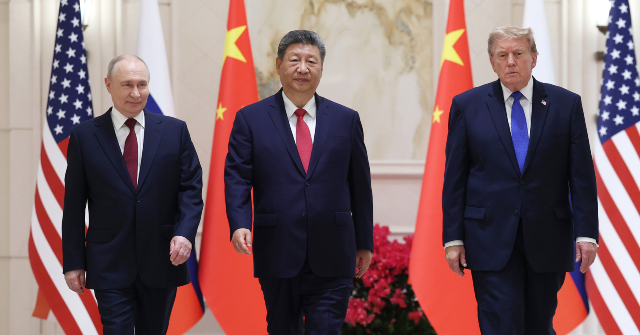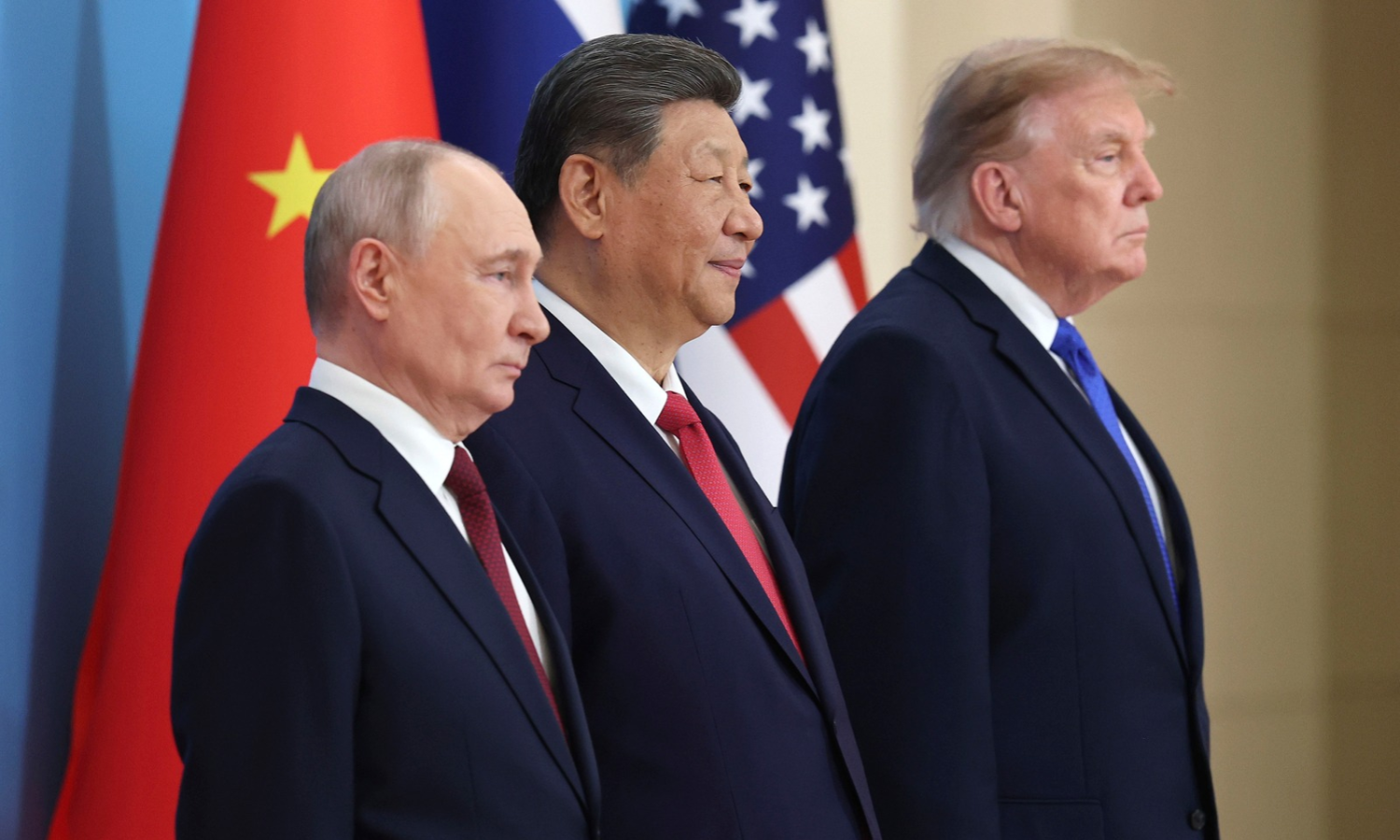
In November 2026, a meeting took place that, while perhaps surprising to some, signaled a significant moment in global diplomacy. Donald Trump, then President of the United States, Vladimir Putin of Russia, and Xi Jinping, President of China, convened for a trilateral summit in Shenzhen, China, on the sidelines of the Asia-Pacific Economic Cooperation (APEC) forum. The very fact of this meeting – bringing together leaders whose nations often find themselves at odds – was noteworthy. Shenzhen, a city that has become a symbol of China’s economic rise, provided the backdrop for discussions centered around what the leaders termed ‘world peace’ and stabilization. But beneath the broad strokes of these aims lay specific concerns, and a clear direction for future policy.

A few days after the initial meeting, on November 19th, 2026, the three leaders signed a joint declaration. This document outlined a shared vision focused on two key areas: ending global nuclear threats and ensuring unencumbered energy flows. The emphasis on energy flows, particularly in the context of the Middle East, appeared to directly address concerns surrounding Iran. China, as the largest buyer of Middle Eastern oil, has been particularly vocal in its opposition to attacks in the Strait of Hormuz, a vital waterway for global energy supplies. These attacks, attributed to Iran, had disrupted shipping lanes and raised fears of wider regional instability. The declaration, therefore, can be seen as a coordinated message aimed at de-escalating tensions and securing access to crucial resources.

President Donald J. Trump Addresses Historic Trilateral Meeting with Chinese President Xi and Russian President Putin. "We have a special responsibility to maintain open, respectful, & productive dialogue on issues impacting not just our people, but the entire planet." - @POTUS https://t.co/6dLHVlAl1a
The declaration’s focus on nuclear threats and energy security wasn’t accidental. It appeared to directly target the priorities of what was described as the ‘Iranian terror regime.’ While the document didn’t explicitly name Iran, the timing and content strongly suggested it was the intended recipient of the message. Iran’s nuclear ambitions and its disruptive actions in the Strait of Hormuz had been sources of international concern for years. By jointly condemning nuclear proliferation and advocating for free energy flows, Trump, Putin, and Xi were signaling their disapproval of Iran’s policies and their commitment to regional stability – on their terms.
The United States and Russia have long been rivals, stemming from the Cold War.
The declaration also addressed the issue of nuclear weapons. It expressed concerns about other parties seeking to develop these weapons, but notably, it did not suggest a reboot of the START treaty that would include China. This is a crucial detail. START, or the Strategic Arms Reduction Treaty, was a Cold War-era agreement between the United States and Russia designed to limit the number of nuclear weapons each country could possess. The treaty had lapsed, and Trump had emphatically demanded that “any reboot of START include China,” stating that “previously existing nuclear frameworks, such as the now-defunct START treaty, were not useful if they only bound America and Russia.” The Shenzhen declaration, however, sidestepped this demand, suggesting a different approach to nuclear non-proliferation – one that didn’t necessarily involve a direct agreement between the three powers.

A meeting in China with President Trump and Chinese leader Xi Jinping marked a coup for Russian President Vladimir Putin—but he has little concrete to show for it. https://t.co/3YK6XlaWBY
The relationship between the United States, Russia, and China has been marked by both competition and cooperation. The United States and Russia have long been rivals, stemming from the Cold War. China’s economic rise has also created tensions with both countries, particularly in the areas of trade and technology. However, all three nations share a common interest in maintaining global stability and preventing nuclear proliferation. This shared interest, it seems, provided the basis for this unusual alignment. The summit wasn’t about forging a new alliance in the traditional sense; it was about finding common ground on specific issues where their interests converged.
The Shenzhen summit and its resulting declaration represent a significant shift in the geopolitical landscape. While the three countries didn’t necessarily agree on everything, they demonstrated a willingness to cooperate on issues of mutual concern. This could have far-reaching implications for a range of issues, from nuclear non-proliferation to energy security and regional conflicts. The focus on Iran, in particular, suggests a coordinated effort to pressure Tehran to change its behavior. The declaration also signaled a potential divergence from traditional arms control approaches, with the United States seemingly willing to pursue a strategy that doesn’t necessarily involve a comprehensive treaty with China.

Trilateral summit: Trump Xi Putin https://t.co/d37rHCKCkG
As of now, the long-term impact of the Shenzhen summit remains to be seen. The joint declaration set a clear direction for future policy, but the implementation of these policies will depend on a variety of factors, including the political climate in each country and the evolving geopolitical landscape. The focus on nuclear non-proliferation and energy security continues to be a priority for all three nations, and the summit has established a framework for continued dialogue and cooperation. The world watches to see if this unlikely alliance will lead to a more stable and secure future, or if it will simply be a temporary alignment of interests.