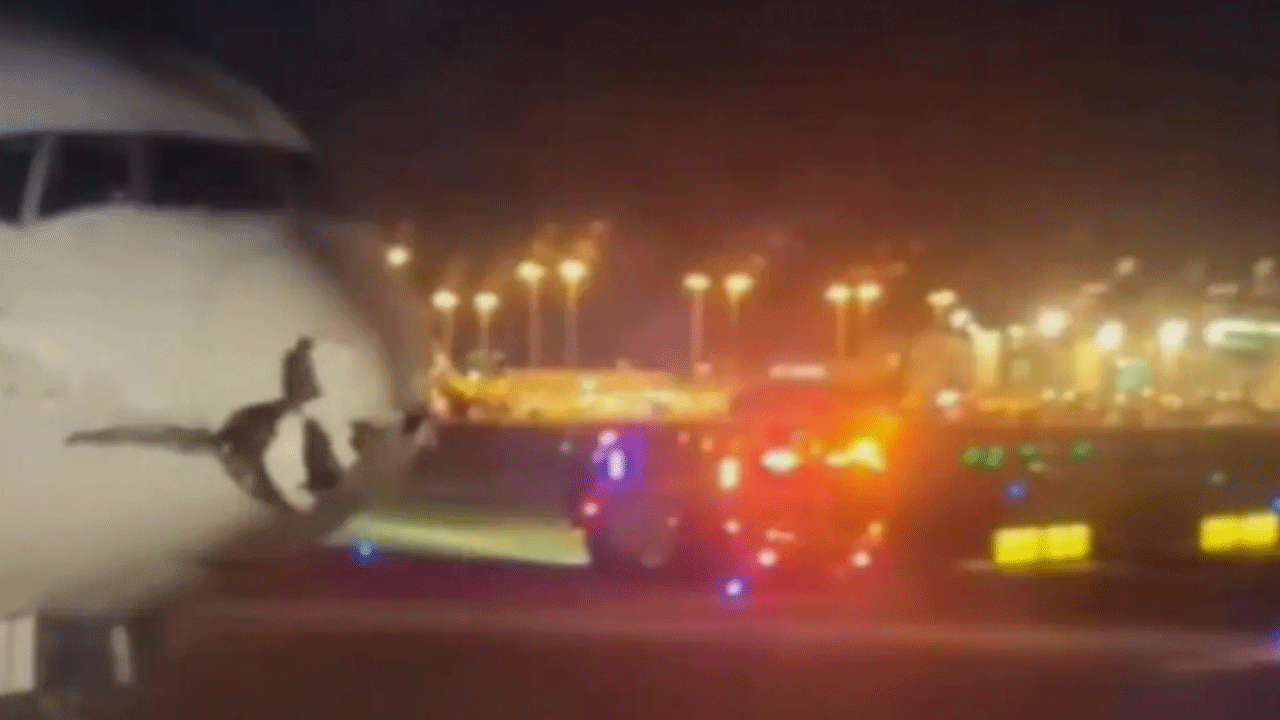
On November 15, 2026, the controlled chaos of Miami International Airport was shattered by a collision that turned a routine transit into a scene of emergency response. Two airplanes, navigating the complex web of intersecting runways in Florida, United States, collided in a manner that sent shockwaves through the aviation community. The incident involved a Copa Airlines aircraft, which had just arrived from Panama, and another plane that was in the process of preparing for its departure to Bogotá, Colombia.
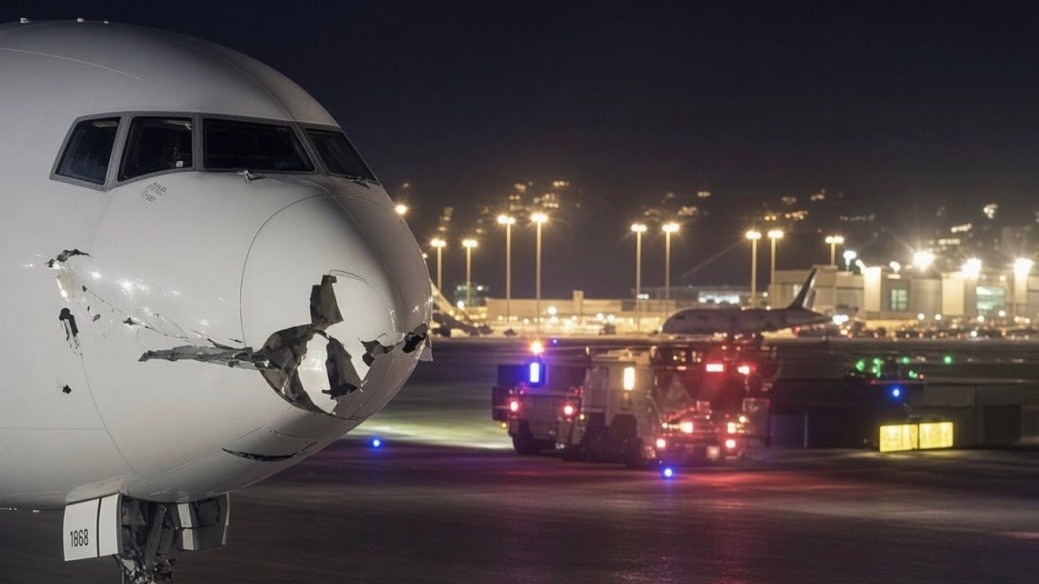
At the moment of impact, the physics of aviation met the reality of human or systemic error. The Copa Airlines aircraft collided with the front section of the plane bound for Bogotá, Colombia. In the immediate aftermath, the airport transitioned from a hub of movement to a site of urgent rescue operations. Emergency protocols were triggered instantly, and firefighting and rescue teams descended upon the scene to manage the fallout of the impact.
While the structural damage to the aircraft was immediate, the psychological impact on those on board was equally profound. As rescue teams worked to secure the area, passengers were safely evacuated from the planes. Reports from the scene indicated that while the physical injuries were limited to two individuals, the emotional weight of the event was heavy; passengers were described as being in a state of shock following the collision.
The accident did not occur in a vacuum of perfect operational stability.
The evacuation process, though handled by specialized teams, highlighted the precarious nature of ground operations when two massive machines occupy the same space at the wrong time. For the passengers, the transition from the quiet expectation of arrival or departure to the sudden jarring of a collision remains a traumatic pivot point in their journey.

Two Boeing aircraft sustained damage following a ground collision at Miami International Airport https://t.co/0j5yanL9eH
To understand the gravity of the Miami collision, one must look at the broader state of American aviation on that same day. The accident did not occur in a vacuum of perfect operational stability. Instead, it unfolded against a backdrop of systemic instability that had already gripped the entire country.
Earlier that day, a severe technical failure had paralyzed air traffic control across the United States. This was not a localized glitch but a widespread disruption that forced a nationwide suspension of flights. For approximately five hours, the vast network of American skies was effectively silenced, as the technical issues prevented the safe coordination of aircraft movement. This period of total suspension meant that the skies were under immense pressure to resume operations once the technical hurdles were cleared.
As the FAA—the Federal Aviation Administration, the body responsible for overseeing all civil aviation in the United States—began to piece together the sequence of events in Miami, a specific cause emerged. The investigation points toward a critical navigational error on the ground.
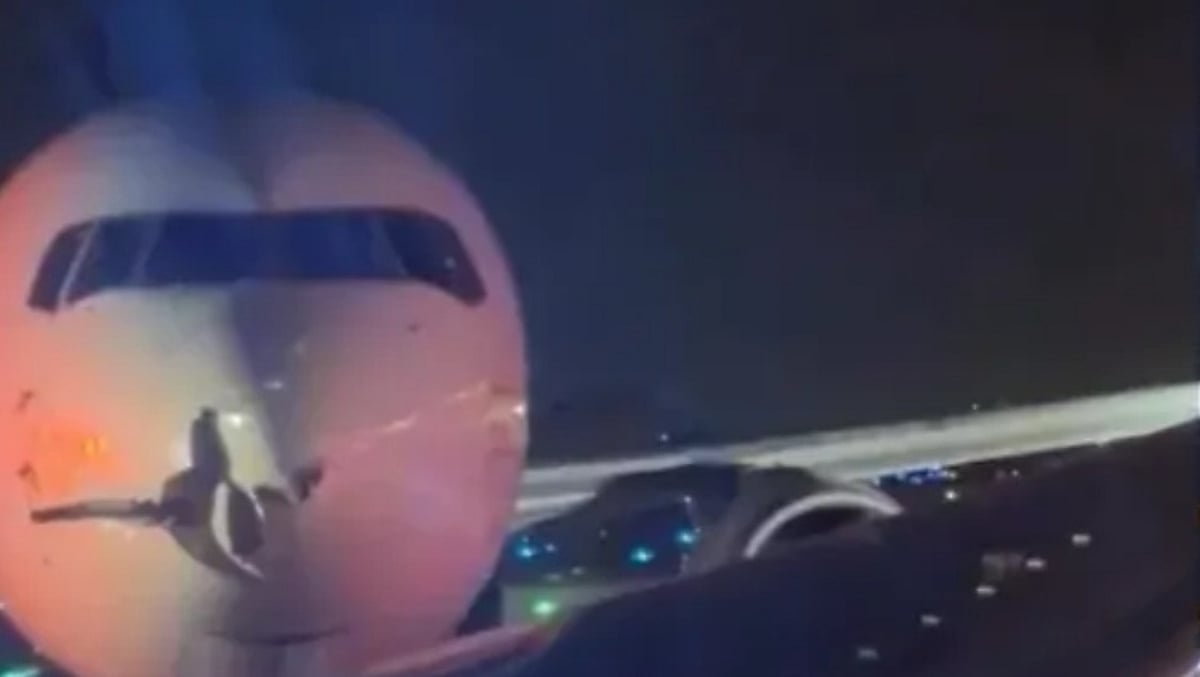
Initial findings indicate that the Copa Airlines aircraft, arriving from Panama, collided with the front section of the plane preparing to depart for Bogotá, Colombia. In the high-stakes environment of an airport runway, where timing and precise positioning are the only safeguards against catastrophe, this error turned an intersecting path into a collision course.

UPS cargo plane and Copa Airlines jet collide at Miami airport, leaving two people with minor injuries. https://t.co/iSjdtkButq
The FAA has since launched a thorough investigation into the runway accident, seeking to determine exactly how the incident occurred. This investigation is tasked with looking beyond the immediate error to understand whether the mistake was a result of pilot error, a failure in ground communication, or a lingering effect of the earlier technical disruptions that had halted air traffic control nationwide.
When air traffic control systems fail, as they did for those five hours earlier in the day, the margin for error in the subsequent resumption of service becomes razor-thin. The pressure to clear backlogs and restore the flow of international travel can create a high-tension environment where a single wrong turn on a runway can have immediate, physical consequences.
As it stands now, the investigation continues to unfold. The two individuals injured in the collision and the passengers left in shock serve as a reminder of the stakes involved in every takeoff and landing. While the nationwide technical failure that disrupted the country's airspace has been resolved, the localized failure in Miami remains a focal point for aviation safety experts.
The collision at Miami International Airport serves as a stark intersection of two different types of failure: the massive, systemic technical breakdown that halted the nation's flights, and the specific, localized error that brought two planes together on a Florida runway. As the FAA works to provide definitive answers, the aviation industry remains focused on how such a deviation from protocol could occur in an era of increasingly sophisticated navigation.

US Flight Chaos Deepens: Two Planes Collide On Miami Airport Tarmac, Passengers Injured #Miami #PlaneCollosion #USA #USFlightCrisis https://t.co/UKP8X3RmZ5