
A significant hike in petrol prices swept across Karnataka, affecting the daily lives of citizens, particularly those reliant on public transport. When the cost of fuel climbs, the cost of moving people, goods, and services follows, creating a tension that sits at the heart of urban and rural stability.
At the center of this economic friction is a technical debate regarding what exactly is flowing through the country's fuel lines. For some time, the central government, led by Prime Minister Modi, has maintained a specific standard for the nation's fuel: a blend where ethanol makes up 20 percent of the petrol. This E20 standard is presented as a specific target for the energy mix. However, recent scrutiny has turned this percentage into a point of intense political and public contention.
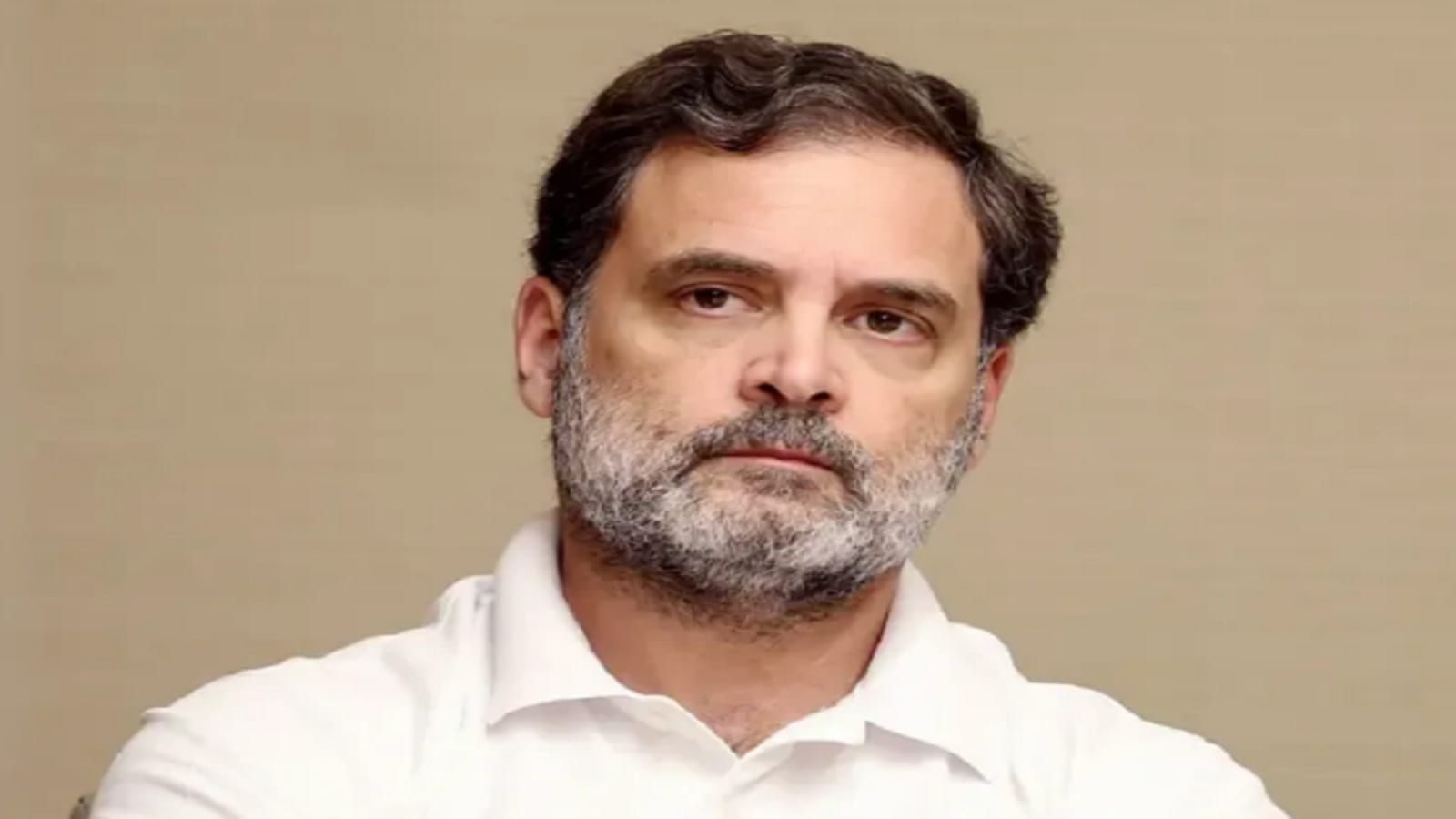
Rajul Kant, a prominent leader of the opposition, has stepped into this fray, casting doubt on the official narrative. He has suggested that the reality of the fuel being sold does not align with the promised 20 percent blend. His critique points toward a discrepancy that he suggests is far more significant, framing the issue not just as a technical error, but as a matter of transparency and public trust.
To move the conversation from political rhetoric to empirical evidence, the Karnataka government initiated a localized investigation.
To move the conversation from political rhetoric to empirical evidence, the Karnataka government initiated a localized investigation. The state did not merely rely on reports; it took to the streets to gather physical evidence. Officials collected petrol samples from seven different districts across the state, subjecting them to rigorous analysis. The goal was to determine if the fuel being dispensed to the public matched the chemical composition promised by the central authorities.
This process of sampling is a critical step in fuel regulation. In any large-scale energy economy, the consistency of a blend is paramount; if the ethanol content fluctuates wildly, it can affect engine performance and consumer costs. By pulling samples from diverse geographic areas, the state sought to create a map of the fuel's quality and composition, looking for patterns that might indicate a systemic deviation from the E20 standard.
As the investigation unfolds, the rhetoric has sharpened. Rajul Kant has used a provocative comparison to highlight his concerns, suggesting that the E20 petrol has effectively transformed into something else entirely. "E20 petrol has now become 420," he remarked, using a phrase that underscores a sense of deception or a breakdown in the expected order.
This tension between the central government's claims of a 20 percent ethanol blend and the growing suspicion of a higher, perhaps unannounced, concentration creates a volatile environment. For the opposition, the demand is clear: they are calling for absolute transparency and decisive action from the central government. They argue that the public deserves to know the exact quality and composition of the fuel they are purchasing, especially as the price of that fuel continues to climb. As the samples from Karnataka's seven districts await the full weight of their findings, the nation watches to see if the fuel in the tanks matches the promises made in the halls of power.
