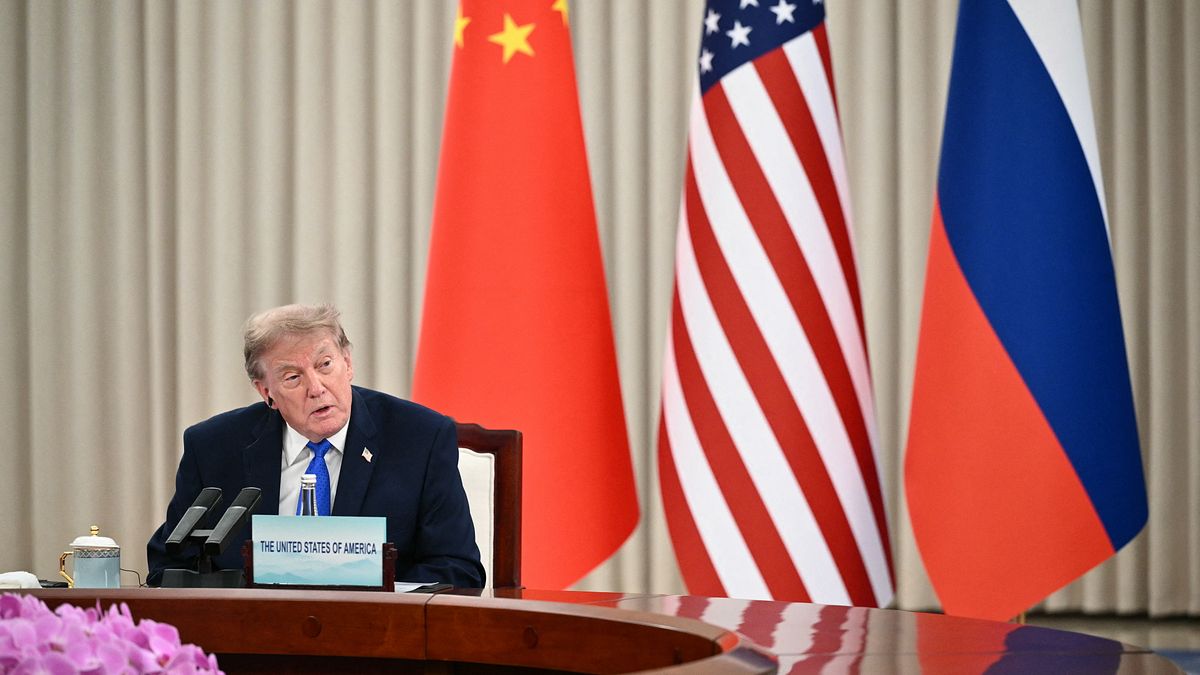
On November 15, 2026, the skyline of Shenzhen became the backdrop for a moment of profound geopolitical weight. On the sidelines of the APEC forum, three of the world's most consequential leaders—Xi Jinping, Donald Trump, and Vladimir Putin—convened for what marked the first trilateral summit between them. The air in Shenzhen was thick with the gravity of a meeting that many had long anticipated, yet few could have predicted would arrive with such immediate, complex implications for the global order.
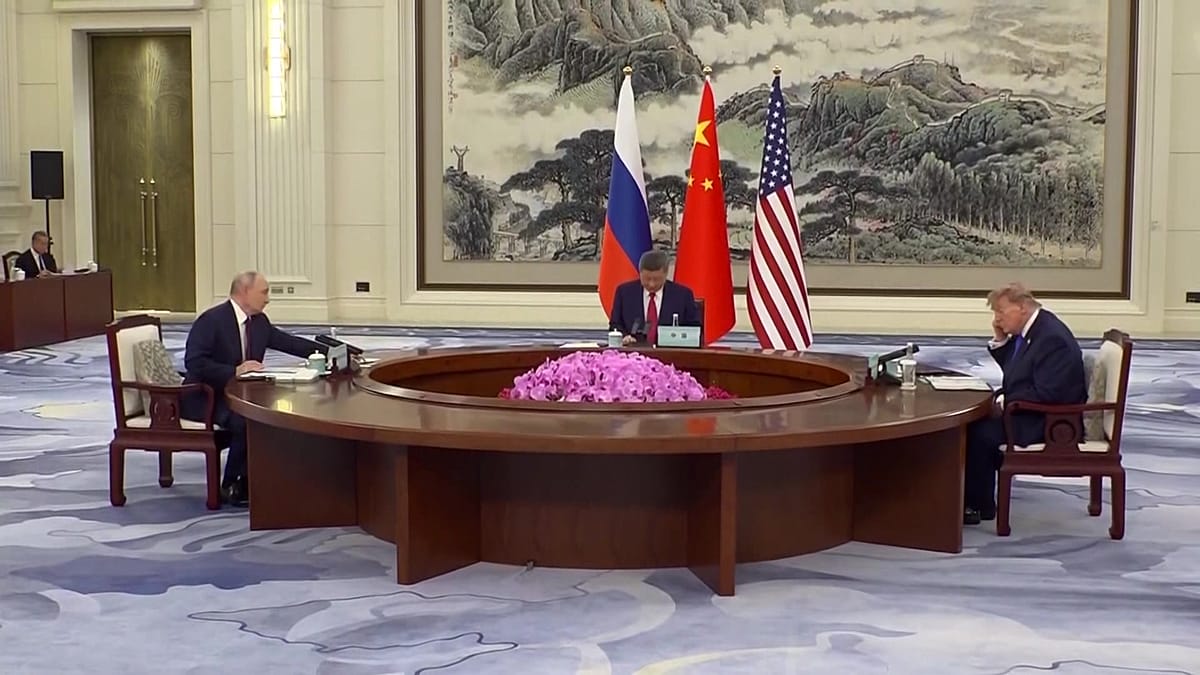
This was not merely a meeting of three heads of state; it was a collision of competing visions for the twenty-first century. For the first time, the leaders of China, the United States, and Russia sat at a single table to navigate a landscape defined by shifting alliances and deep-seated tensions. The summit represented a formal recognition of a new, triadic reality in international relations, moving beyond the traditional bilateral frameworks that have governed much of the recent decade.
While the optics of the summit provided an immediate spectacle, the substance of the discussions was intended to be far more granular. The agenda was a sprawling map of modern conflict and technological competition. Discussions were expected to touch upon the ongoing war in Ukraine, the conflict involving Iran, and the existential questions surrounding nuclear disarmament.
It is a reminder that even as leaders attempt to manage global stability, they remain deeply entrenched in the competitive struggle for national prosperity.
In a world increasingly defined by rapid innovation, the specter of Artificial Intelligence also loomed large over the proceedings. These are not merely policy points; they are the tectonic plates of modern security. To discuss AI and nuclear disarmament in the same breath as active wars is to acknowledge that the tools of future conflict are being forged even as the battles of the present continue to rage. The summit sought to address these issues through a direct, three-way dialogue, attempting to find common ground in a world that often seems to be moving in opposite directions.

History in the making The Shenzhen Summit https://t.co/ny5zho3AgR
Amidst the grand theater of the trilateral talks, a more specific and perhaps more immediate tension played out in the quiet of one-on-one sessions. Donald Trump and Xi Jinping stepped away from the group to engage in private discussions focused on the engines of their respective economies: trade and technology.
These bilateral encounters within the larger summit underscore the dual nature of the relationship between Washington and Beijing. While the trilateral setting addressed global security, the one-on-one talks addressed the fundamental competition for economic dominance. In these rooms, the conversation likely shifted from the broad strokes of global peace to the specificities of tariffs, supply chains, and the technological race that defines the modern era. It is a reminder that even as leaders attempt to manage global stability, they remain deeply entrenched in the competitive struggle for national prosperity.
Despite the immense scale of the meeting, a sense of skepticism permeated the halls of the APEC forum. For many observers, the Shenzhen summit appeared to be a masterclass in political theater rather than a vehicle for tangible progress. Analysts watching the proceedings noted a recurring pattern in such high-level diplomacy: the tendency for these gatherings to offer more symbolism than actual breakthroughs.

There is a distinction between the appearance of cooperation and the reality of it. A photograph of three leaders seated together can signal a willingness to talk, but it does not equate to a signed treaty or a de-escalation of conflict. The summit provided the world with a visual confirmation of a new diplomatic architecture, but whether that architecture can actually support the weight of solving global crises remains an open and deeply uncertain question.
Beyond the question of whether the leaders could achieve anything meaningful, a darker concern began to emerge among those watching the realignment of power. Critics of the summit expressed a profound fear that this new trilateral dynamic could lead to a world carved into distinct spheres of influence.
This fear is rooted in the idea that instead of a unified global community working toward shared stability, the world might fracture into competing blocs. In such a scenario, the interests of the United States, China, and Russia would dictate the boundaries of political and economic life, leaving smaller nations to navigate the cracks between these giants. The very act of these three powers meeting to discuss the world's most pressing problems carries the risk that they are, in effect, deciding the fate of the globe among themselves, potentially sidelining the broader international community.
As the summit in Shenzhen concludes, the immediate results remain elusive. The world is left to parse the signals sent by the leaders and to weigh the symbolic importance of their meeting against the lack of concrete resolutions. The first trilateral talks have successfully established a new venue for dialogue, but they have also highlighted the immense difficulty of reconciling three vastly different approaches to global governance.
Whether this meeting serves as the beginning of a more stable era of managed competition or as the first step toward a more fragmented and polarized world remains to be seen. For now, the Shenzhen summit stands as a landmark moment—a glimpse into a new geopolitical geometry where the lines of power are being redrawn in real-time.

Trilateral talks between Putin, Trump, and Xi Jinping have begun in Shenzhen. https://t.co/jLjrI9wQLu