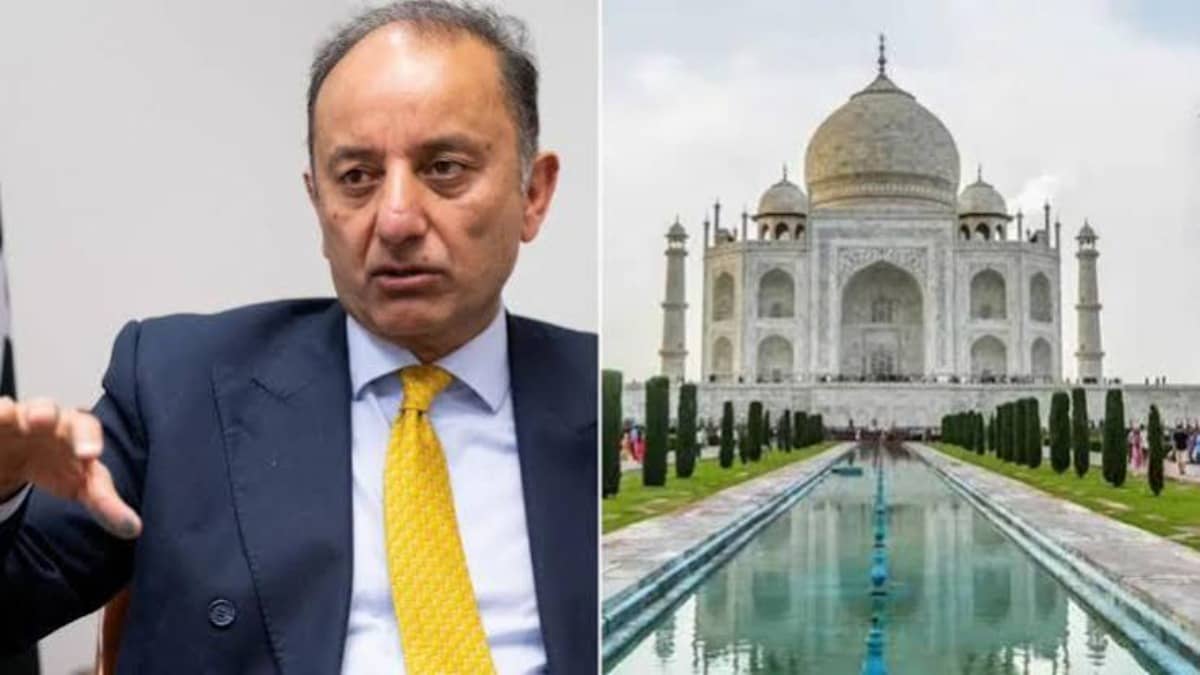
Musadik Masood Malik touched down in the capital as the head of a Pakistani federal delegation, in town for the inaugural Shanghai Cooperation Organisation Civilisational Dialogue Forum. His arrival marked more than a routine diplomatic handshake: it was the first time a Pakistani federal minister had set foot in India in over three years, a gap since Bilawal Bhutto Zardari attended an SCO foreign‑ministers meeting in Goa back in May 2023. Indian authorities were quick to extend a symbolic welcome, granting the group permission to visit the Taj Mahal in Agra, Humayun’s Tomb, and Dilli Haat. The gesture carried the weight of a confidence‑building measure within a multilateral forum that Prime Minister Narendra Modi had just inaugurated, emphasizing the SCO’s role in addressing global instability.
On 2026‑11‑20, Modi opened the first SCO Civilisational Dialogue Forum, using the platform to frame the organisation as a response to mounting worldwide uncertainty. The forum’s civilisational angle was intended to shift focus from security disputes to shared heritage and people‑to‑people ties. For Malik and his delegation, the invitation to participate represented an opening, even as the itinerary remained subject to Indian security protocols. The prime minister’s opening set the tone: a gathering of neighbours bound by a common regional architecture, even as bilateral history continued to cast long shadows.
The Ministry of External Affairs moved swiftly to delineate what was permissible. The Taj Mahal, Humayun’s Tomb, and Dilli Haat were cleared for the Pakistani group, a list that included some of India’s most iconic cultural sites. The permissions were not merely logistical; they were diplomatic signals. By allowing access to these landmarks, India underscored a willingness to engage on cultural and civilisational fronts, even as the broader relationship remained prickly. The delegation’s schedule in Agra and Delhi would now include these stops, each serving as a visual testament to the forum’s stated goal of fostering dialogue across civilisations.
The Taj Mahal, Humayun’s Tomb, and Dilli Haat were cleared for the Pakistani group, a list that included some of India’s most iconic cultural sites.
Not every request cleared the hurdle. Authorities withheld security approval for a visit to the Hazrat Nizamuddin Dargah in Delhi, a Sufi shrine that holds deep cultural resonance but also sits within a sensitive security zone. The denial was attributed to security concerns, a routine yet significant gatekeeping function that underscores how site visits by foreign delegations are calibrated against real‑time risk assessments. For the Pakistani side, the rejected request represented a reminder that even as doors open in some areas, established protocols continue to shape the boundaries of engagement. The MEA’s role was to balance openness with the safety imperatives that govern such visits.
The current visit cannot be understood without reference to the May 2023 SCO foreign‑ministers meeting in Goa, where Bilawal Bhutto Zardari became the last Pakistani federal minister to travel to India. That earlier trip had been seen as a tentative step toward normalising ties under the SCO umbrella, and Malik’s arrival three years later carries the weight of that lineage. The intervening period has seen shifting diplomatic dynamics, but the forum format has persisted as one of the few arenas where Indian and Pakistani officials can occupy the same space, however briefly. Malik’s presence in New Delhi echoes that earlier moment, even as the specifics of what is—and isn’t—permitted have been recalibrated through the lens of updated security assessments.
As the SCO Civilisational Dialogue Forum concludes its inaugural run, the image of a Pakistani federal minister touring the Taj Mahal alongside Indian officials encapsulates a nuanced moment in India‑Pakistan relations. Permissions have been granted for cultural sites, while security‑sensitive locations remain off‑limits. The MEA’s calibrated approach—clearing some visits, denying others—reflects a broader strategy of engagement that seeks to leverage multilateral platforms without surrendering to the full weight of bilateral history. Where the relationship goes from here will depend on whether such carefully managed interactions can build enough momentum to move beyond the cycle of denial and permission that has characterised recent years.